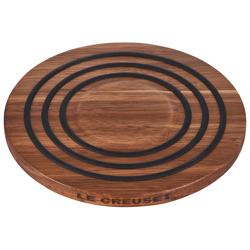
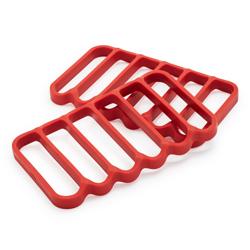
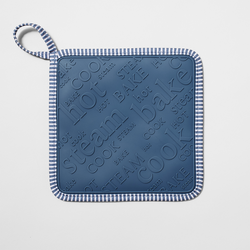
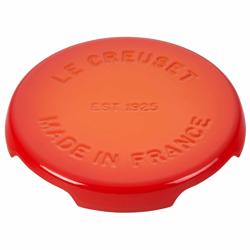
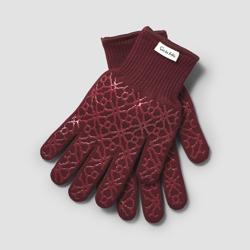
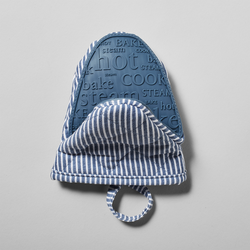
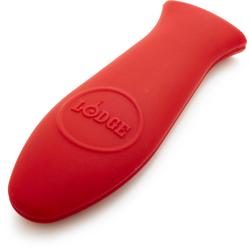
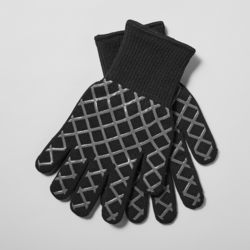
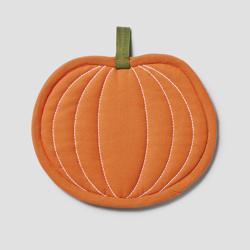
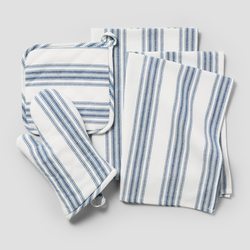
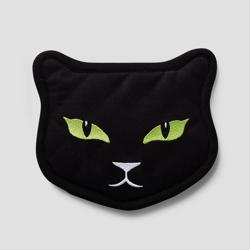
Oven hot pads are heat-resistant pads designed to help protect hands when handling hot cookware; styles approved for use as trivets can also help protect counters and tables. Cotton, silicone and combinations of the two offer different balances of cushioning, flexibility and grip, making material and construction useful starting points when choosing a pair. For everyday cooking, a good hot pad should let you grasp a handle securely without excess fabric bunching between your hand and the pan. Picture lifting a bubbling casserole from the oven, turning a sheet pan of roasted vegetables or moving a warm loaf pan to a cooling rack: each task calls for a steady hold, but the shape and weight of the cookware can change what feels comfortable. Quilted cotton pads are soft and easy to fold around many handles, while textured silicone surfaces can provide traction against smooth cookware. Hybrid designs combine fabric cushioning with silicone contact areas, offering another option for cooks who prefer a flexible pad with a textured grip. Heat resistance varies by construction, so check the manufacturer’s temperature rating and handling instructions rather than assuming every silicone or cotton pad performs the same way. A heat rating is not a promise that a pad can hold a hot pan indefinitely; contact time matters, too. Hot pads are intended for brief handling within their stated limits, not prolonged contact with hot cookware or exposure to open flames, broilers or heating elements. Keep them dry, since moisture in absorbent fabric can transfer heat quickly and cause burns. For heavy cookware, use a dry pad in each hand and clear a landing spot before lifting. These small details make oven hot pads useful for everyone from a first-apartment cook learning a few dependable dinners to an experienced baker rotating batches of cookies. During the cooler months, when roasting and baking often become part of the daily rhythm, a comfortable pair earns its place close to the oven.
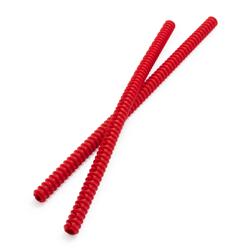
The best oven hot pads for a particular kitchen depend as much on fit and intended use as on material. Cotton offers a familiar, cushioned feel, and quilting helps hold insulating layers in place. A fabric pad that bends easily can be useful around a saucepan handle or beneath the narrow rim of a baking dish, provided there is enough coverage to keep fingers away from hot surfaces. Silicone resists water on its surface and can be easier to wipe free of splashes, although fabric linings, seams and other components may have different care needs. Molded ribs or raised patterns add texture, but a secure grip still depends on how well the pad wraps around the handle. Hybrid hot pads can offer a middle ground, with a soft body and silicone where the pad contacts cookware. Look at the full construction rather than relying on the outer material alone: insulation, stitching, edge binding and any hand pocket all affect how a pad feels in use. Thickness should provide a protective barrier without making it difficult to close your hand. A pad that feels manageable around a small handle may feel awkward beneath a wide roasting pan, so consider the cookware used most often. Size matters in both directions. Too little coverage can leave fingertips exposed, while an oversized pad may fold into food or interfere with your view of the handle. Pocketed styles can help keep the pad positioned on the hand, but they generally do not provide the wrist and forearm coverage of a longer oven mitt. For deep ovens or tall-sided cookware, that difference is worth considering. Cooks who spend more time with cake pans, muffin pans and cookie sheets may also find
Baking Potholders relevant to their baking routine. When using a hot pad beneath cookware, confirm that it is suitable as a trivet and appropriate for the surface underneath. The cookware should sit level and stable, with the pad positioned to prevent hot areas from contacting the table or counter.
Care and durability matter because oven hot pads work close to grease, spills and repeated heat. Choose a care routine that fits the way the kitchen runs, whether that means machine-washable fabric or a silicone surface that can be wiped clean according to its instructions. Not every cotton pad can go through the same wash cycle, and not every silicone design is dishwasher safe, especially when fabric or other materials are attached. Follow the care label for washing and drying, then allow the pad to dry completely before it returns to oven duty. A freshly washed pad that still feels damp inside should stay out of use. Inspect pads regularly for thinning insulation, open seams, scorched patches, cracks or other damage, and replace them when their protective construction is compromised. Reinforced edges and even stitching are useful details to look for in fabric designs, while silicone should remain intact and flexible. Storage is practical, too: a hanging loop can keep a pad within reach, and a compact shape can tuck into a nearby drawer without crowding other tools. Keep pads away from burners and other heat sources when not in use, even if a hook beside the range seems convenient. Having more than one pair helps when one set is in the wash or a cooking session involves several hot dishes. A cook preparing roasted squash alongside a casserole needs clean, dry protection ready for each trip to the oven, not a damp dish towel grabbed at the last second. Color and pattern can add a personal touch without changing the pad’s essential job, whether the kitchen leans toward quiet neutrals or cheerful textiles. Oven hot pads also make a thoughtful, practical gift for someone setting up a home, refreshing well-used kitchen linens or spending more time baking for friends and family. For a frequent host, a baker or an everyday home cook, the most useful choice is one that feels comfortable, suits familiar cookware and is straightforward to keep clean. Reliable heat protection and a secure hold matter long after the last dish leaves the oven.