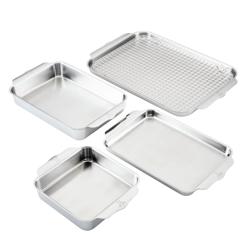
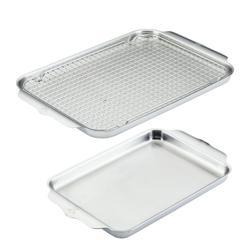
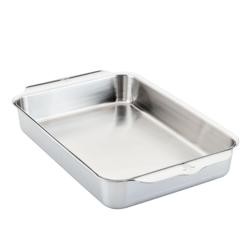
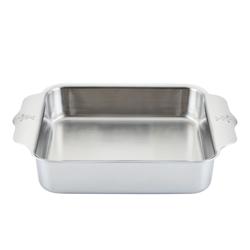
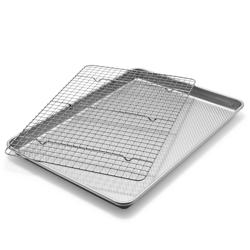
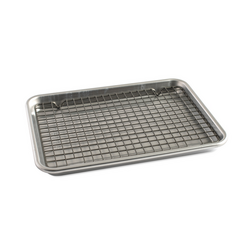
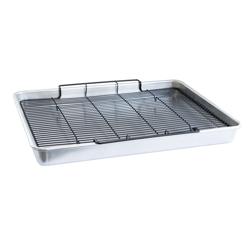
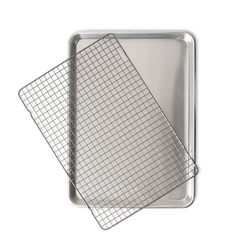
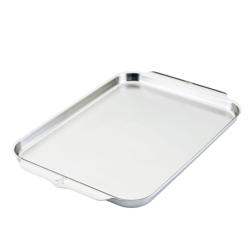
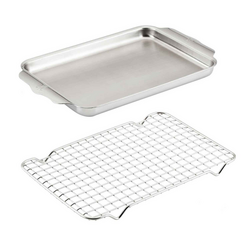
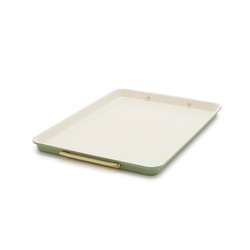
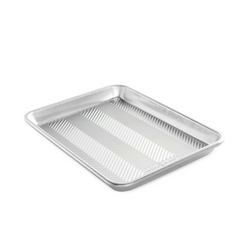
Oven-safe baking sheets give everything from chocolate chip cookies to roasted vegetables a broad, shallow surface for baking and browning. Designed for use within a manufacturer’s stated oven temperature limit, they come in different materials, finishes and sizes to suit the way you cook. That temperature rating matters: oven safe does not automatically mean broiler safe, and a sheet’s coating or other components can affect how much heat it can handle. For everyday cooking, a rimmed baking sheet is a versatile choice, with raised edges that help contain cooking juices, catch loose vegetables and keep food in place as you move it from counter to oven. A flat cookie sheet, often designed with one or more open sides, makes it easier to slide a spatula beneath delicate cookies or transfer a finished batch onto a cooling rack. Both styles belong in a busy kitchen, but their strengths serve different tasks. A rimmed sheet accommodates a spread of broccoli florets, a tray of biscuits or a sheet pan dinner with chicken and potatoes. An open-sided sheet is better suited to doughs and other foods that will not release liquid or roll off the edge. Surface area is just as important as shape. Vegetables need room for moisture to escape if the goal is browned edges rather than a soft, steamed texture, while cookies need space to spread without joining together. Having more than one sheet lets you divide a generous batch instead of crowding everything onto a single pan. For cooks comparing
baking sheets for oven use, the most useful starting point is the food prepared most often: a weekly tray of roasted vegetables, a regular batch of homemade cookies or an easy dinner that keeps the stovetop clear. The right shape and capacity make those familiar tasks simpler without adding unnecessary equipment.
Material and surface finish influence how a baking sheet heats, browns food and cleans up afterward. Aluminum conducts heat readily, making it a practical option for cookies, pastries and everyday roasting. An uncoated aluminum surface has no nonstick coating to protect, although it can discolor with use and may react with acidic ingredients such as tomatoes or lemon juice. A suitable liner can help separate food from the metal when the recipe and cooking temperature allow. Aluminized steel combines a steel base with an aluminum-based surface layer, offering another balance of heat transfer and sturdy construction. Stainless steel is valued for its durability and resistance to reactions with acidic foods, though it conducts heat less readily than aluminum; thickness and layered construction can change its baking performance. Nonstick baking sheets offer easier release for foods that tend to cling, from soft-centered cookies to roasted potato wedges. Ceramic-coated sheets are another option for cooks who prefer a coated baking surface, but the word ceramic alone does not establish an oven temperature limit or guarantee a particular lifespan. For any coated sheet, the stated heat rating and utensil recommendations deserve attention. Darker finishes tend to brown the undersides of baked goods more quickly than lighter finishes, so a familiar cookie recipe may need an earlier check when moved to a different pan. Heavier-gauge metal and reinforced rims can help a sheet resist twisting or warping, particularly when it is lifted with food on it, but no construction should be treated as immune to sudden temperature changes. A sturdy rim also provides a more secure place to grip with oven mitts. These details matter in ordinary moments: carrying a full tray of stuffed mushrooms, rotating biscuits midway through baking or lifting a batch of granola out for stirring. Rather than one material being best for every kitchen, each offers a different combination of handling, browning, release and care. Matching those qualities to your recipes helps make the sheet a dependable part of daily cooking.
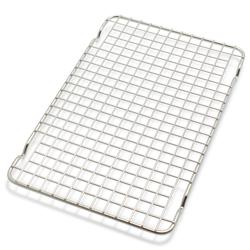
Size and fit determine how comfortably an oven-safe baking sheet works in your kitchen, from the oven rack to the sink and storage cabinet. A half-sheet pan is a familiar choice for home baking and roasting, but dimensions vary, and commercial full-sheet pans are generally too large for home ovens. Compare the pan’s complete exterior measurements, including rims and handles, with the usable space inside your oven. Leave room for air to circulate rather than choosing a sheet that nearly touches the oven walls. Smaller sheets are useful for compact ovens, modest portions or ingredients that need different cooking times. One can hold asparagus while another carries potatoes, allowing each to come out when it is ready. A smaller pan also makes sense for reheating a few biscuits or baking a portion of frozen cookie dough without filling a larger tray. If a cooling rack, parchment paper or silicone baking mat will be used with the sheet, check both the fit and the accessory’s own heat rating; a rack designed for countertop cooling is not necessarily safe for the oven. Care requirements are another worthwhile consideration, especially for a pan that will see frequent use. Let baking sheets cool before washing, since putting a hot sheet under cold water can cause thermal shock and contribute to warping. Hand-washing is often recommended for aluminum and nonstick bakeware, while dishwasher suitability varies by construction and finish. Mild dish soap, a soft sponge and thorough drying help preserve the surface. Avoid abrasive cleaners on coated sheets, use utensils recommended by the manufacturer and place a protective layer between pans if stacking could scratch their finish. With repeated use, an uncoated sheet may develop stains or a darker patina that does not necessarily affect its usefulness; peeling coatings, sharp damage or substantial warping call for closer attention and possible replacement. For a first apartment, a housewarming gift or an experienced baker replacing a well-used pan, thoughtfully chosen baking sheets offer practical value. They earn their place through repeated use, whether that means crisp-edged cookies for sharing or a simple tray of vegetables for dinner.