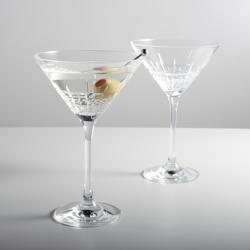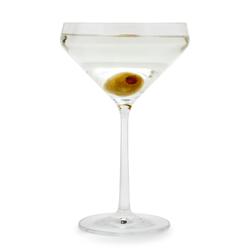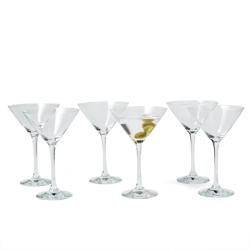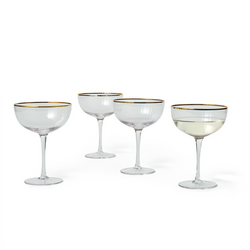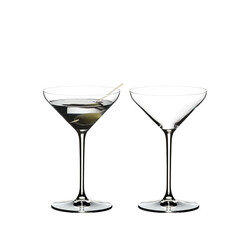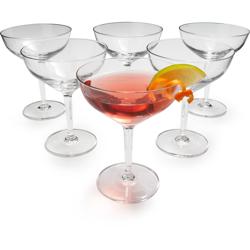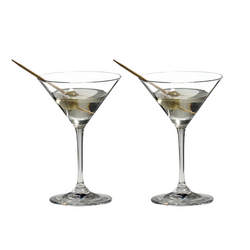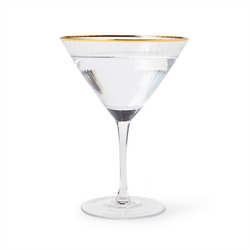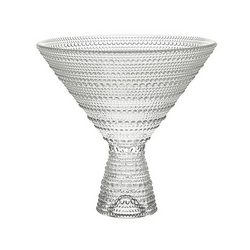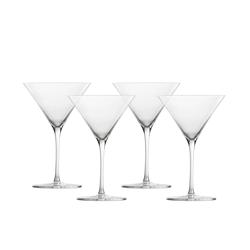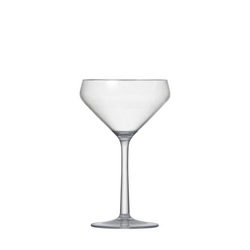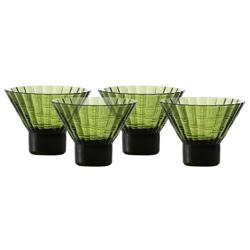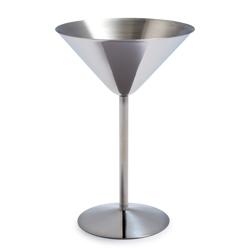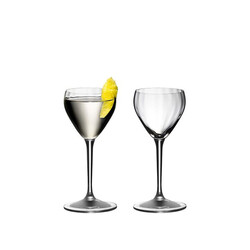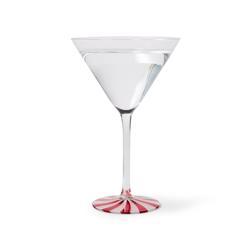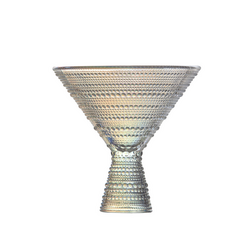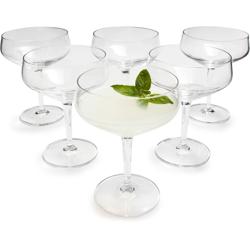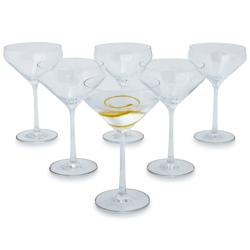
Party martini glasses bring a distinctive shape to cocktail service, with options suited to everything from a few friends around the kitchen island to a larger celebration. Traditional stemmed glass offers clarity and a familiar cocktail-bar feel, while stemless designs provide a lower profile and break-resistant plastic can be practical where broken glass is a concern. The right choice depends on the drinks being served, the setting and how the glasses will be cleaned and stored afterward. A classic martini glass has a broad, open bowl that narrows toward the stem, showing off a clear cocktail, a twist of citrus or a neatly skewered olive. That wide opening also leaves less room for movement without spilling, so a comfortable pour should sit below the rim rather than fill the bowl to its stated capacity. Smaller glasses work well for modest servings of spirit-forward drinks; roomier bowls leave space for the foam on an espresso martini or a garnish that needs a little breathing room. Capacity is worth considering alongside the actual recipe: a glass that holds eight ounces does not need an eight-ounce cocktail. For hosts building a coordinated bar setup,
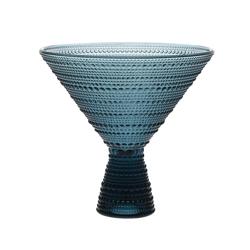
Martini Glasses can complement the proportions and style of existing drinkware without requiring every glass on the table to match. Clear bowls keep the focus on the drink, while textured surfaces or colored accents can give a place setting more personality. Matching silhouettes create a consistent look on a serving tray, though mixing compatible shapes can feel equally at home at a relaxed gathering. These glasses also suit more than gin or vodka martinis. Cosmopolitans, lemon drops and carefully strained alcohol-free cocktails all benefit from a bowl that puts color and garnish on display. A well-chosen glass makes the presentation feel intentional, whether the drink arrives with a single olive or a thin ribbon of lemon peel.
Material and construction affect how party martini glasses feel in the hand and how comfortably they fit into an entertaining routine. Glass is a familiar choice for its clear appearance, satisfying weight and suitability for repeated use. Lead-free crystal can offer brilliant clarity and a finely finished rim, though neither the word “crystal” nor a delicate appearance alone tells the whole story about durability. Rim thickness, stem construction and the maker’s care instructions matter, especially when several people are helping serve or clear drinks. A thin rim can feel pleasant to sip from, while a thicker bowl may feel more substantial; neither feature makes a glass immune to chips or breakage. A long stem gives guests a place to hold the glass without wrapping a hand around the bowl, helping limit warmth transferred to a chilled cocktail. It also adds height, which matters under a low cabinet shelf or in a crowded dishwasher. Stemless designs sit closer to the table and avoid the vulnerability of a slender stem, although their stability still depends on the width of the base and the shape of the bowl. They can be a comfortable option for casual entertaining, particularly when guests are setting drinks on small side tables between bites. For poolside spaces or venues that restrict glass, plastic drinkware may be more suitable. Reusable plastic and single-use plastic serve different needs, and care requirements vary, so check whether a material is intended for repeated washing rather than assuming all plastic glasses perform alike. Break-resistant does not mean indestructible, and some plastics can scratch or become cloudy with unsuitable cleaning. Across materials, a smooth rim, a level base and a comfortable grip make a difference during a party. Bowl width deserves attention, too: broad glasses need enough space on a tray that their rims do not knock together. Choosing proportions that fit the serving surface can be just as useful as choosing a favorite silhouette.
The most useful party martini glasses suit both the occasion and the work that follows it. For a seated dinner, a coordinated group of glasses can mark the cocktail course before guests move to the table. At a birthday gathering or an engagement celebration, having enough glasses for the guest count, plus a few extras, reduces the need to stop and wash drinkware midway through serving. Hosts offering two different cocktails may prefer a versatile bowl that handles both recipes comfortably, rather than a shape selected for just one elaborate garnish. Smaller martini-style glasses can also hold individual desserts, such as chocolate mousse, fruit layered with cream or a spoonful of sorbet served immediately. For those uses, the opening should comfortably accommodate a small spoon and the base should sit securely on a dessert plate or serving tray. A glass used for food needs the same attention to cleaning as any other serving piece, particularly around textured details and narrow interiors. Dishwasher-safe construction can simplify cleanup after a gathering, but that designation should come from the manufacturer, not from the material alone. Glasses need clearance in the rack so their rims and stems do not touch neighboring pieces, and tall stemware may require a dedicated holder or hand-washing. When hand-washing is recommended, use a soft sponge and avoid twisting the bowl against the base while drying, which can strain the stem. Abrasive scrubbers can scratch surfaces, and sudden temperature changes can damage glass, so allow chilled drinkware to adjust before washing it in warm water. Storage is another part of the fit: check shelf height, leave space around wide bowls and avoid stacking glasses unless they are specifically designed for it. For a housewarming, wedding or anniversary gift, martini glasses are especially thoughtful for someone who enjoys mixing drinks or bringing friends together. A manageable set that fits the recipient’s space and care preferences will see more use than oversized drinkware that is difficult to store. Comfortable proportions, dependable construction and a style that feels at home on the table make these glasses part of everyday hospitality, not just something reserved for a formal toast.