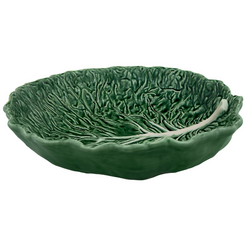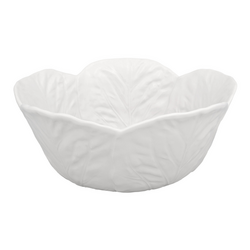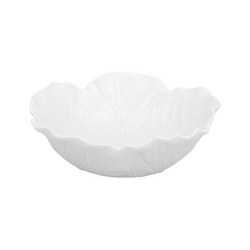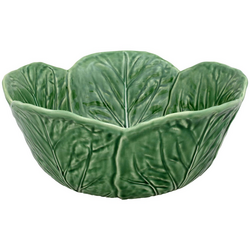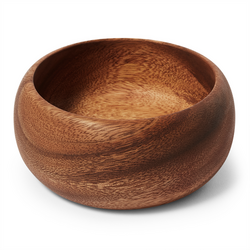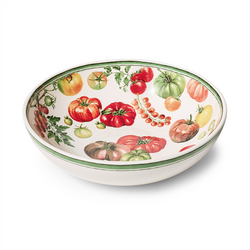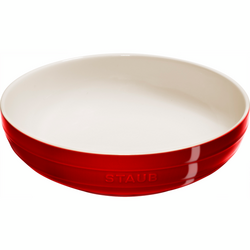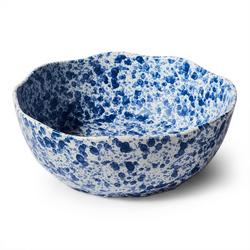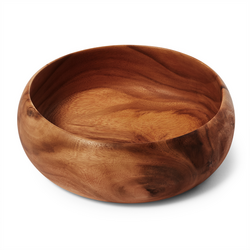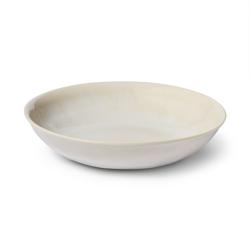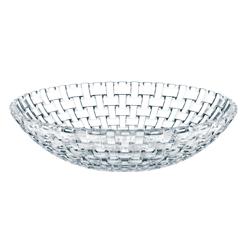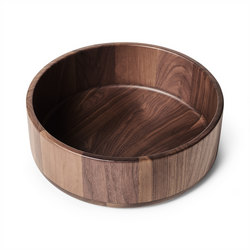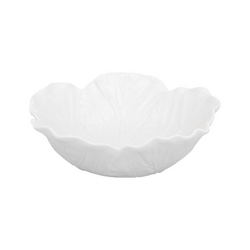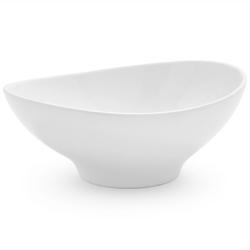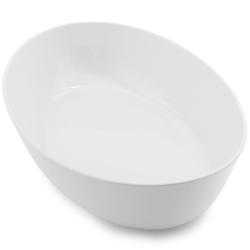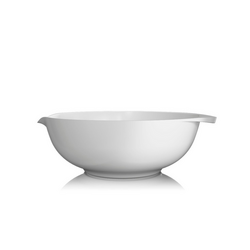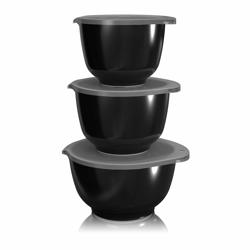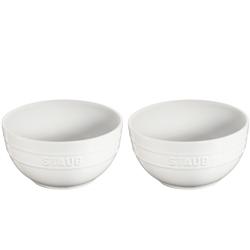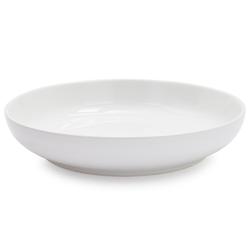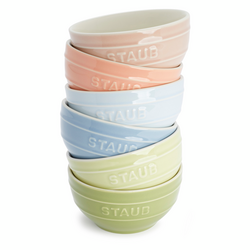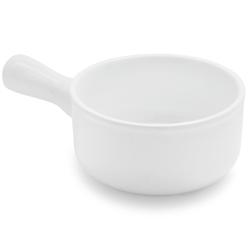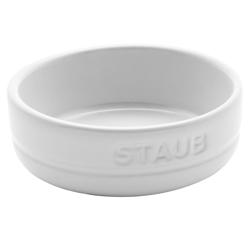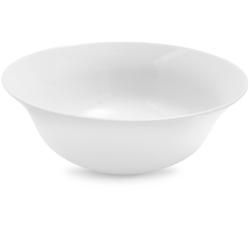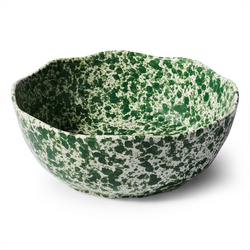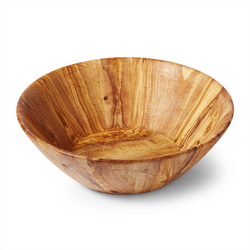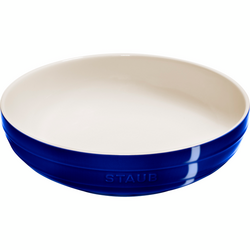
Party salad bowls are large serving bowls designed to hold and present salads for shared meals, buffets and gatherings. The best fit depends on the food being served, the number of guests and whether the bowl will stay on the table or travel between the kitchen and dining area. A roomy bowl gives tender greens space to move without spilling over the rim, while a broad opening makes it easier for guests to reach roasted vegetables, grains and toppings. Materials bring different benefits to the table. Wood has a warm, natural look that works especially well with leafy salads and relaxed family-style meals. Grain patterns add character without competing with patterned plates or colorful linens, though wooden bowls need careful hand-washing and prompt drying. Ceramic and stoneware offer a substantial feel and a wide range of finishes, from smooth neutrals to richly colored glazes. Their weight can help keep a bowl steady during serving, but it also matters when carrying a full salad across the kitchen. Clear glass shows off layers of crisp vegetables, beans and greens and pairs easily with many dinnerware styles. Glass can be heavy, however, and needs protection from knocks and sudden temperature changes. Melamine is typically lighter and more resistant to breakage than ceramic or glass, making it practical for casual gatherings and busy tables. It is not unbreakable, and its care instructions should be checked before use. Stainless steel offers durability and relatively light weight, with a clean look suited to informal entertaining as well as kitchen prep. Food-safe plastic can also be useful when portability matters, though reusable and disposable designs differ in strength, care requirements and intended lifespan. No single material suits every occasion. A bowl that feels comfortable to lift, complements the table and accommodates the food is more useful than one chosen for appearance alone. Picture a leafy salad with sliced pears and toasted nuts beside a roast, or a colorful bean salad anchoring a potluck spread: each benefits from a vessel that makes serving feel easy.
Size and shape determine how well a party salad bowl works once the meal begins. Capacity is a more useful measure than diameter alone because two bowls with the same width can hold very different amounts. A shallow bowl spreads ingredients across a larger surface, keeping delicate toppings visible and within reach. A deeper bowl contains bulky greens and gives serving utensils more room to lift and turn ingredients. For a rough planning example, eight guests receiving about 1 cup of salad each would need 2 quarts of food capacity; the serving bowl should hold more than that to leave room for tossing and scooping. Actual portions depend on whether the salad is a light side, one of several buffet dishes or the main course. Airy lettuces take up more space than compact lentil or chopped vegetable salads, and a bowl filled to the brim is difficult to carry neatly. When serving a main-dish salad with chicken, chickpeas or roasted squash, allow additional room for substantial ingredients and larger portions. For a crowded dinner table, two medium bowls can be easier to pass than one oversized centerpiece. They also let hosts place a serving at each end of a long table or separate a dressed salad from an undressed portion. On a buffet, a wide, stable base helps the bowl stay put while guests serve themselves with one hand. Check the overall footprint against the space between platters, drinking glasses and place settings, especially when serving family-style. Rim shape and weight affect handling, too: a comfortable edge and balanced profile make a full bowl easier to lift. Serving utensils should reach the bottom without disappearing into the salad, and their handles should rest securely rather than slide inside. Broad servers work well for tender leaves, while a serving spoon may be more practical for grains and finely chopped vegetables. For a related look at bowls suited to crisp greens, fruit salads and colorful vegetable combinations, explore
Summer Salad Bowls; those same serving shapes can earn their place at the table throughout the year.
Everyday practicality matters just as much as presentation, particularly when a gathering leaves a sink full of dishes. Before choosing salad serving bowls, consider where they will be washed, dried and stored. A large bowl may fit comfortably on the table but be awkward in a small sink or too tall for a dishwasher rack. Dishwasher-safe materials can simplify cleanup, but the manufacturer's instructions should always determine the washing method. Hand-wash wooden bowls, avoid soaking them and dry them promptly rather than leaving water pooled inside. If the maker recommends conditioning the wood, use the specified food-safe treatment to help maintain its finish. Ceramic and glass deserve enough storage space to prevent rims from bumping against neighboring dishes; a soft separator can help protect surfaces when nesting is appropriate. Melamine and plastic have different heat limits, so do not assume they are microwave safe or suitable for hot food. Stainless steel should not go in a conventional microwave, either. Utensils also affect long-term appearance: smooth wooden or silicone servers can be gentler on finishes than sharp metal edges. With any material, inspect the serving surface for cracks, chips or damage that could interfere with safe use. Intended use extends beyond the meal itself. Someone who regularly brings salads to a potluck may value a manageable weight and a compatible lid, while a host who dresses greens just before dinner may prefer enough depth to toss directly in the serving bowl. A decorative bowl is not necessarily a sealed transport container, so transfer food securely when traveling and keep perishable salads chilled until serving. At home, a versatile bowl can hold citrus on the counter between gatherings or serve as a bread bowl with a clean liner, provided those uses suit its finish and care requirements. Party salad bowls also make thoughtful housewarming or wedding gifts for people who enjoy bringing others together. A recipient's table size, storage space and preferred cleanup routine are helpful clues. The most useful choice feels at home at a small shared supper yet has the capacity and comfortable handling to make a larger gathering easier.