-
(16)
A fully automatic pasta and noodle maker that mixes, kneads, and extrudes dough in under ten minutes.
Pros: easy to use, easy cleanup, makes great pasta
-
(24)
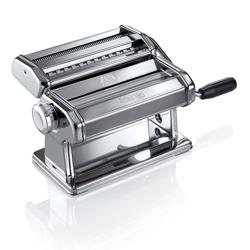
A durable silver pasta machine with adjustable thickness and two pasta cutters for homemade pasta.
Pros: ease of use, easy to clean, easy to use
-
(6)
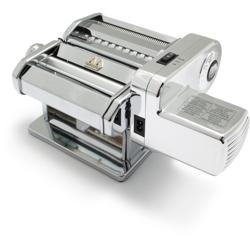
A versatile Italian-made pasta machine with motor, featuring adjustable thickness settings and three included attachments.
Pros: well made
-
(4)
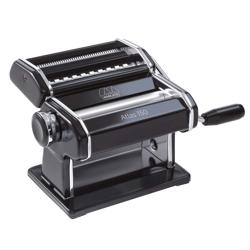
A durable black pasta machine with adjustable thickness settings and the ability to make over 15 types of pasta.
Pros: easy to use, excellent control over thickness, ease of use
-
(7)
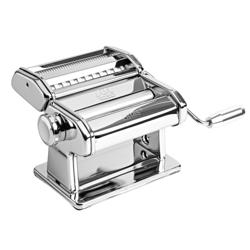
A durable chrome steel machine that effortlessly prepares multiple pasta shapes with Italian precision and style.
Pros: easy to use, classic design, product arrived in perfect condition
-
(102)
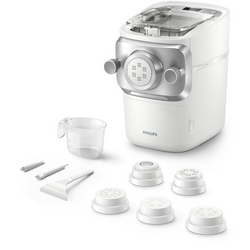
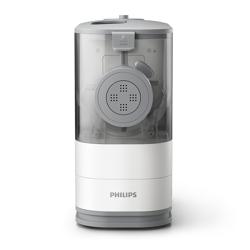
A white Philips pasta maker that automatically mixes, kneads, and extrudes dough for effortless homemade pasta.
Pros: easy to use, easy to clean, easy cleanup
-
(1)
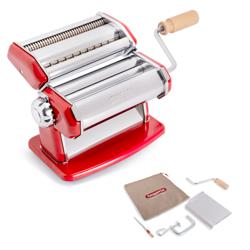
A sturdy red tinned steel machine that rolls and cuts fresh pasta into fettuccine or tagliolini.
Pros: overall satisfaction
-
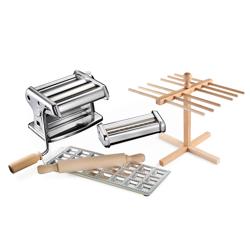
A complete silver steel set for crafting and drying authentic homemade pasta with Italian precision.
-
(251)
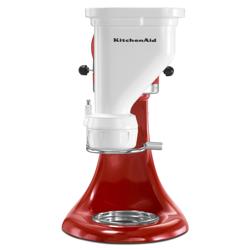
A white pasta extruder attachment for KitchenAid stand mixers that makes various types of pasta.
Pros: ease of use, easy to use, versatility
-
A silver aluminum pasta maker attachment that effortlessly creates delicious, fresh spaghetti for pasta night.
-
(40)
A silver metal attachment that rolls and cuts pasta dough into spaghetti, fettuccine, or lasagna sheets.
Pros: easy to use, easy to clean, versatility
Pasta Machines For Making Pasta For Back To School
Pasta machines for making pasta for back to school make it easy to enjoy fresh, homemade noodles as part of your meal prep routine. Whether you’re packing lunches or planning quick weeknight dinners, these pasta machines help streamline the process so you can create delicious pasta dishes at home. Explore options designed to fit busy schedules and bring the taste of homemade pasta to your back-to-school meals.

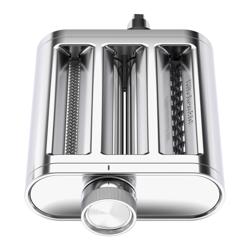
Pasta Machines For Making Pasta For Back To School
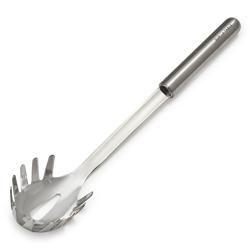
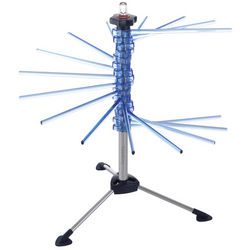
-
"This is my first time I have this kind of product , guys it's real it's a great machine , the noise level"
-
"We love this product so much! It was so easy to use and the pasta is so fresh"
-
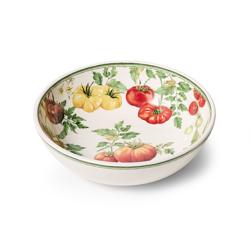
"I love the pattern of heirloom tomatoes. I have them on display on my kitchen hutch"
-
"Great for more efficient pasta making. Helps reduce the amount of time spent rolling out dough"
-
"LOVE LOVE LOVE this pasta machine!!!! So simple to use and clean.Makes the best pasta"