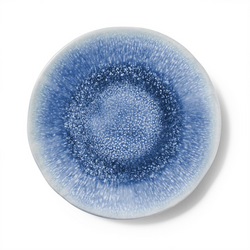
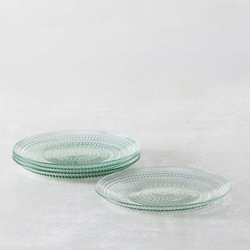
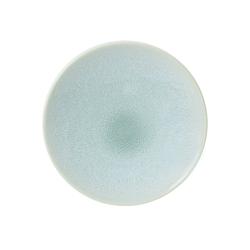
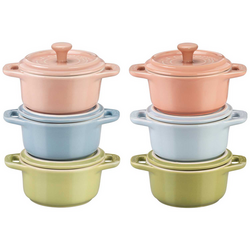
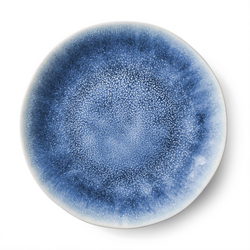
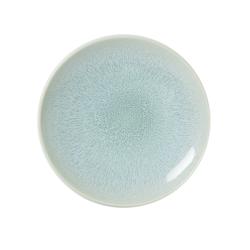
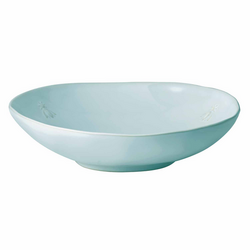
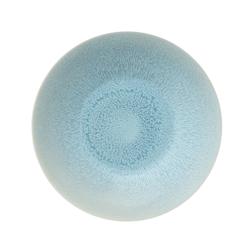
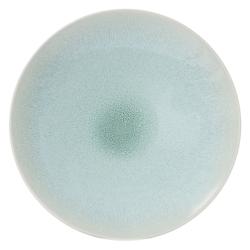
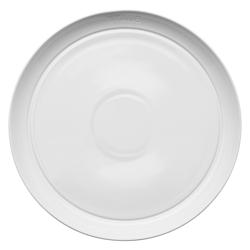
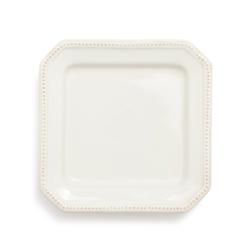
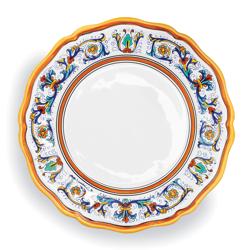
Pastel plates are plates in soft, lightly tinted colors such as blush pink, mint green, pale blue, lavender and butter yellow. They bring color to a table without the intensity of brighter dinnerware, making them an easy choice for everyday meals, casual gatherings and celebrations. Styles range from simple round plates to pieces with scalloped edges, textured rims or gently irregular shapes. Reusable versions commonly come in stoneware, porcelain or melamine, while paper plates offer a disposable option for parties. The right choice depends on how you plan to serve, clean and store them, as well as the look you enjoy. A smooth, pale blue surface can give roasted carrots and golden pastry a beautiful backdrop; a soft pink rim adds warmth beside oatmeal-colored linens and clear glassware. These colors need not feel sugary or reserved for spring. During the cooler months, pastel dinner plates sit comfortably alongside darker wood, deep green napkins and the warm glow of candles. Their lighter tones provide a little contrast to hearty meals and richly colored seasonal ingredients. For a cohesive table, choose one shade and let the food supply the other colors. For something more relaxed, combine two or three pastels with a similar softness, such as dusty pink, muted lavender and pale blue. White or cream plates already in your cupboard can help connect the different shades, so adding color does not have to mean replacing an entire collection. The finish matters, too: a glossy glaze catches light and makes a setting feel brighter, while a matte surface creates a quieter look. Neither is automatically more practical, so consider appearance alongside the care instructions. The most useful pastel plates are the ones that suit your meals and feel at home on your table, whether that means toast at the kitchen counter or a dinner that stretches well beyond dessert.
Material, size and shape are worth a closer look when choosing pastel dinnerware. Stoneware often has a substantial feel, with glazes that can show subtle variations in color. Porcelain can offer a finer profile, though its weight and thickness vary by design. Melamine is typically lightweight and resistant to breaking, which can make it useful for casual serving or households that prefer lighter dishes; it generally should not go in the microwave, and individual care directions still apply. Paper plates serve a different purpose, reducing cleanup at larger gatherings, but their suitability for hot, wet or heavy foods depends on their construction. For reusable plates, check whether each design is dishwasher safe and microwave safe rather than assuming all pieces made from the same material have the same capabilities. Decorative finishes may come with additional restrictions, and oven use should always be specifically permitted by the manufacturer. Think about the meals you serve most often, too. A broad, flat center gives a main course and sides room to sit separately, while a gently raised edge helps contain sauces and makes the plate easier to carry from kitchen to table. A wide decorative rim can be appealing, but it leaves less space for food than a narrow rim on a plate of the same diameter. Smaller plates are useful for breakfast, salads and dessert, especially when a full-size dinner plate feels oversized for a slice of cake or a sandwich. Before choosing a larger size, measure your cupboard shelf and check the clearance in your dishwasher. Weight is another everyday detail that becomes more noticeable when you lift several plates at once. If storage is tight, look at the profile and how neatly the pieces stack. Softly rippled edges may be part of the appeal, but consistent shapes can make compact storage simpler. Also check the quantity included and whether you can buy additional pieces later. A practical purchase leaves enough plates for your usual household, a few guests and the occasional plate still waiting in the dishwasher.
Pastel plates work especially well for people who want a welcoming table without keeping separate dinnerware for every occasion. A familiar scene explains their appeal: a few friends arrive with bread and something for dessert, dinner is almost ready and the table comes together with the plates you use all week. Soft color adds interest without requiring elaborate flowers or matching every detail. To build that kind of collection, start with the shade you enjoy most rather than trying to include every pastel at once. Consider the undertones in the dishes and linens you already own. Warm cream often sits naturally with peach or butter yellow, while a cooler white can sharpen the look of mint or pale blue. These are useful starting points, not rules; a little contrast can keep a setting from feeling overly coordinated. If you prefer just a touch of color, pastel salad or dessert plates can sit on neutral dinner plates, giving you an easy way to change the mood for guests. For a more connected arrangement, explore
Pastel Tableware for coordinating pieces that carry soft color across the table. Keep patterns and textures in mind as you add to the setting. A scalloped edge may need little more than a plain napkin, while a smooth round plate leaves room for patterned textiles or textured glassware. Pastel plates can also make thoughtful gifts for newlyweds, someone settling into a first home or a host whose favorite color you know well. Before giving dinnerware, consider the recipient’s storage space, household size and willingness to hand-wash. A smaller group of plates for breakfast or dessert may fit an established kitchen more easily than a complete new dinner service. For someone building a collection, versatile shapes and straightforward care can matter more than decorative detail. Whether buying a gift or refreshing your own cupboard, balance the pleasure of the color with the practical details of daily use. A plate should be lovely to set out, comfortable to carry and easy enough to care for that you reach for it again tomorrow.