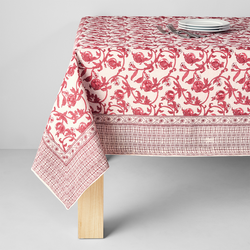
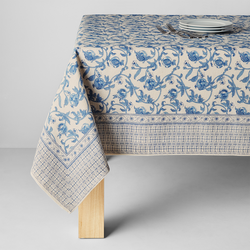
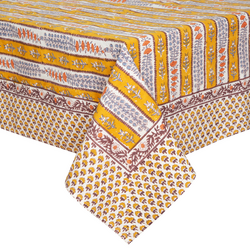
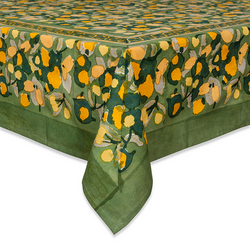
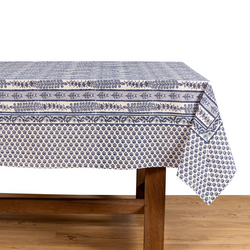
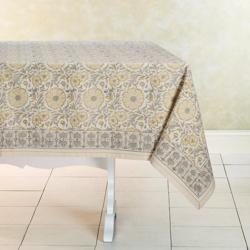
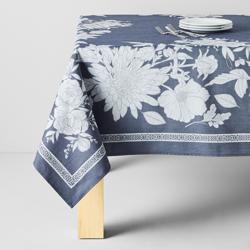
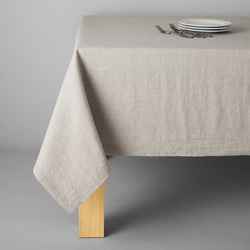
Picnic tablecloths create a clean, welcoming surface for outdoor meals, whether the setting is a park table, a campground or a familiar spot in the backyard. The best picnic tablecloth for your plans combines the right dimensions with easy-care material and a secure fit. Wipe-clean vinyl and coated fabrics help simplify spill cleanup, while washable cotton and polyester offer a softer, more traditional table setting. Water resistance varies by material and finish, so a cloth intended for occasional outdoor dining may need different care than one designed for repeated campsite use. Beyond those practical details, a tablecloth gives a shared meal a sense of place: sandwiches unwrapped on a cheerful check, a bowl of fruit against a solid background or a family-style lunch arranged on a relaxed stripe. Classic checked picnic tablecloths bring a familiar, casual look, while subtle patterns and solid colors work easily with everyday plates and serving pieces. Cotton has a soft feel and folds comfortably around table edges, though untreated cotton absorbs liquid and generally needs laundering after spills. Polyester often resists wrinkles and dries faster than cotton, making it useful for frequent outings, but polyester alone does not guarantee a waterproof surface. Vinyl and some coated fabrics let you wipe away crumbs and small spills without washing the entire cloth. Their construction matters, too: a backing can add body, while an unbacked cover may fold into a smaller bundle. The right balance depends on how the tablecloth will travel and how the meal will unfold. A family packing lunch alongside a full picnic basket may value a lightweight, compact cloth. Someone setting a backyard table for a leisurely meal may prefer the drape and texture of woven fabric. For a quieter backdrop that works beyond outdoor dining,
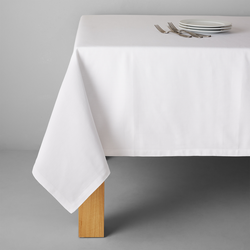
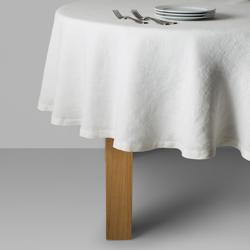
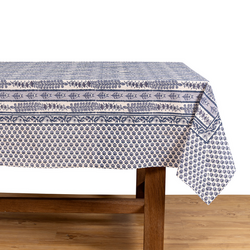
Simple Tablecloths offer another direction to consider. A restrained design lets colorful salads, patterned dishes and freshly cut flowers provide the detail, without making a casual lunch feel overly coordinated.
Fit makes a noticeable difference in how a picnic tablecloth looks and functions, especially on tables with attached benches. A common 6-foot picnic tabletop measures 72 inches long by 30 inches wide, although dimensions vary, so measuring the actual surface is more reliable than choosing by seating capacity alone. On a 72-by-30-inch tabletop, a 96-by-54-inch rectangular tablecloth provides a 12-inch drop on every side. A 72-by-54-inch cloth covers that same surface with a 12-inch drop along the long sides but no overhang at either end. Neither fit is automatically right for every setting: a longer drop creates a fuller look, while a shorter drop can keep fabric away from laps and make it easier to slide onto a bench. To determine an evenly draped size, add twice the desired drop to both the tabletop length and width. For a round table, add twice the drop to the diameter. Rectangular picnic tablecloths suit many park and campground tables, while square and round shapes accommodate other outdoor dining arrangements. Corners deserve a little attention, particularly where guests step over a bench or children move between seats. Fabric that pools around feet or catches on a seat can be inconvenient even when the tabletop itself is fully covered. Fitted covers offer a closer profile, with elastic or drawstring edges on some designs, but they still need to match the table’s dimensions and shape. A traditional flat tablecloth offers more flexibility across tables of slightly different sizes. For exposed outdoor settings, compatible tablecloth clips can help hold the edges in place; check that the clips accommodate the tabletop’s thickness, including any lip underneath. A serving platter is not a dependable substitute for securing loose fabric. Keeping the cover reasonably taut also helps plates and glasses sit steadily, especially near seams, folds or gathered edges. A tablecloth covers a surface, but it cannot correct an uneven tabletop or make damaged wood safe.
Care and durability are worth considering alongside color and fit, particularly when a picnic tablecloth will be folded, packed and used repeatedly. Reinforced edges, secure hems and a fabric weight suited to the setting can help a cover hold up to regular handling. A heavier cloth may drape more steadily, but weight alone does not establish tear resistance, stain resistance or protection from moisture. Those qualities depend on construction and any applied finish. For wipe-clean materials, follow the care label and use a soft cloth with an appropriate mild cleaning solution rather than assuming every coating tolerates vigorous scrubbing. Wipe-clean does not necessarily mean machine washable, and a protective coating on the face does not always prevent the backing from absorbing moisture. With washable fabric, checking washing and drying instructions before the first use helps preserve the intended fit and appearance. Cotton may shrink, some fabrics benefit from prompt removal from the dryer and certain finishes require air-drying or low heat. Treat food stains according to the material’s care instructions, paying attention to oily dressings, tomato sauces and berry juices before putting the cloth away. After the meal, shake off crumbs, clean the surface as directed and let the tablecloth dry completely before folding it. Packing a damp cloth can lead to musty odors or mildew, especially when it stays tucked inside a picnic basket between outings. Keep hot cookware on a suitable trivet rather than directly on the tablecloth, since decorative fabric and wipe-clean coatings are not substitutes for heat protection. These everyday considerations make picnic tablecloths useful for households that eat outside often, friends who meet for potluck lunches and campers who like a comfortable place to gather after cooking. They can also make thoughtful gifts for a host or someone who enjoys packing a meal for a day out. A versatile pattern, manageable size and straightforward care routine are often more useful than an elaborate design. The result is a table covering that earns its place in the picnic bag, ready to make the next shared meal easier to set out and simpler to clean up.