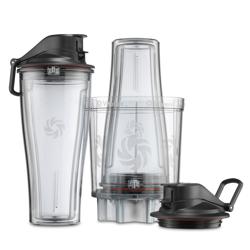
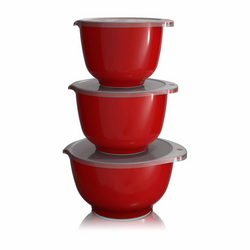
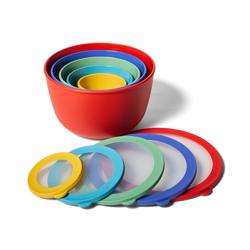
Plastic mixing bowl sets with lids are practical kitchen essentials for everyday prep, baking and food storage. A well-chosen set typically includes several bowl sizes, from small vessels for whisking dressings or holding chopped herbs to larger bowls for mixing cake batter, tossing salad or preparing dough. Matching lids extend their usefulness beyond the mixing stage, making it easy to cover ingredients and move them from the counter to the refrigerator without transferring food to another container. Lightweight plastic is especially convenient when you are carrying a bowl to the table, bringing a prepared dish to a gathering or storing leftovers on a crowded refrigerator shelf. For a closer look at available sizes and styles, browse
Kitchen Mixing Bowl Sets With Lids. When comparing sets, begin with the materials. Look for food-grade plastic that is explicitly labeled BPA-free and designed for kitchen use. Durable construction should feel substantial without making the bowls cumbersome, while smooth interiors are easy to scrape clean and less likely to hold onto strong colors or odors. Clear or lightly tinted bowls can make it easier to see what is inside, while colorful sets add a cheerful touch to routine prep and can help distinguish ingredients when several bowls are in use. A family-size set may be useful for cooks who regularly prepare large batches, while a compact collection can be a better fit for a smaller kitchen, apartment or dorm room. Piece counts can include lids as well as bowls, so check how many mixing bowls are included and note the actual capacities rather than relying on the total number of pieces alone. A useful assortment often includes at least one small prep bowl, a medium bowl for sauces or batters and a generous bowl for mixing, serving or storing larger portions.
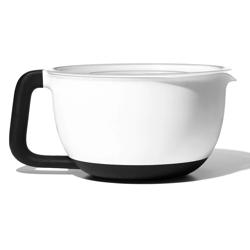
Stability, storage and care are just as important as appearance. Mixing can be surprisingly forceful—a whisk catching in thick pancake batter or a hand mixer moving through softened butter can send a lightweight bowl sliding across the counter. Non-skid or rubberized bases help keep bowls steady during stirring, beating and folding, especially on smooth stone or laminate surfaces. A gently shaped rim can also make it easier to pour batter or liquids with less dribbling, while a comfortable grip or flared edge gives you better control when scraping down the sides. Nesting bowls stack inside one another so the entire set takes up less cabinet space, an especially helpful feature when shelves are already filled with pots, pans and bakeware. Matching lids should fit securely and be easy to press into place without requiring excessive force. Tight-fitting covers are useful for protecting cut vegetables, marinating ingredients and saving half a batch of cookie dough for later, but they should also be simple to remove when you are working quickly. Before purchasing, confirm whether the bowls and lids are dishwasher safe and whether that rating applies to the top rack only. If you plan to reheat food directly in a bowl, verify that the bowl itself is microwave safe and remove the lid unless the manufacturer specifically states that it is designed for microwave use. Freezer-safe construction can be helpful for chilled desserts, make-ahead ingredients and leftovers, though allowing very cold containers to warm slightly before exposing them to sudden heat is a sensible care habit. Plastic bowls are not always suitable for ovens, stovetops or high-heat applications, so use them for mixing, serving and storage rather than baking unless the product instructions clearly say otherwise.
These sets suit a wide range of cooks because they make small kitchen tasks feel more organized. A beginner can use the different sizes to practice mise en place—measuring flour into one bowl, cracking eggs into another and keeping spices or chopped produce ready nearby—without filling the sink with separate containers. Experienced bakers may appreciate having a lightweight bowl for every stage of a recipe, from blooming yeast to combining dry ingredients and resting dough. Parents and caregivers often find lidded bowls helpful for preparing snacks ahead of time, keeping cut fruit covered or storing pancake batter for a relaxed breakfast during the cooler months. They are also handy for busy households that prepare grain salads, pasta salads or marinated vegetables in advance and want a simple way to keep food protected until mealtime. During warmer weather, a covered bowl can help transport slaw, fruit salad or chilled pasta to a picnic or shared meal, while through fall they can hold chopped vegetables for soup, measured ingredients for baking or leftovers from a generous Sunday dinner. Because they are useful without taking up much room, plastic mixing bowl sets with lids can make a thoughtful gift for someone setting up a first kitchen, furnishing a new home or replacing a mismatched collection of old containers. Consider the recipient’s habits when choosing one: a frequent baker may value a large-capacity bowl and stable base, a meal-prep enthusiast may prioritize secure lids and freezer compatibility and a small-space cook may benefit most from a nesting design. With the right combination of sizes, dependable covers and easy-care features, a plastic mixing bowl set can become the collection you reach for every day—from whisking a quick vinaigrette to preparing a family-sized recipe and storing the last serving for later.