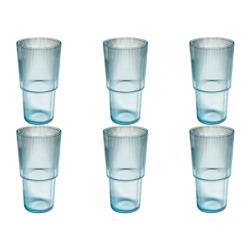
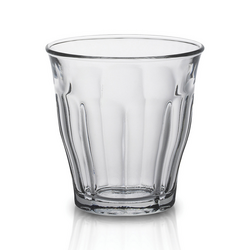
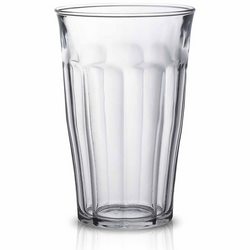
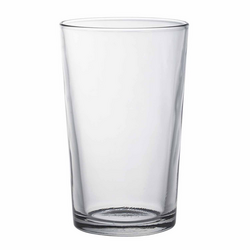
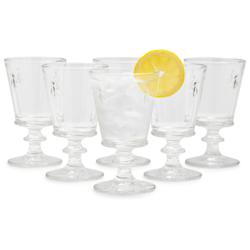
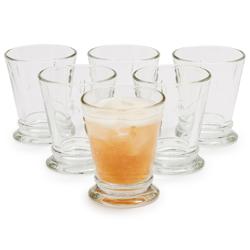
Plastic outdoor glasses are lightweight drinkware for patios, picnics and other outdoor gatherings, offering a reusable alternative to traditional glass. They bring the familiar look of a well-set table to places where carrying, serving and cleaning up call for something less fragile. A tray of lemonade feels easier to manage on the way from the kitchen to the patio, and water glasses can move from a dining table to a lounge chair without bringing heavier glassware along. Common materials include acrylic and copolyester, with differences in clarity, weight, impact resistance and care requirements. Acrylic often has a clear, glasslike appearance that works well for both casual drinks and a more dressed-up table. Copolyester drinkware can also offer good clarity and impact resistance, although performance varies with the material and construction. Other plastics may have a softer, more flexible feel or an opaque finish. The material name alone does not tell the whole story: rim thickness, base shape and wall construction also influence how a glass feels in the hand. A smooth drinking edge and a comfortable grip matter just as much for a quick sip of water as they do for a leisurely meal outside. Shatter-resistant construction can help reduce the chance of broken glass around outdoor dining areas, but plastic is not indestructible. Hard drops, repeated wear or unsuitable cleaning methods can still cause damage. Food-contact suitability, BPA-free labeling and dishwasher compatibility are separate details to check rather than qualities to assume from appearance. Clear plastic is not necessarily acrylic, and a glasslike finish does not indicate whether a piece can go in the dishwasher. For households that regularly carry drinks between indoor and outdoor spaces, this balance of appearance, manageable weight and practical construction makes reusable plastic drinkware a useful part of everyday entertaining. It can also help keep dedicated outdoor drinkware together, leaving delicate glassware inside without making the outdoor table feel like an afterthought.
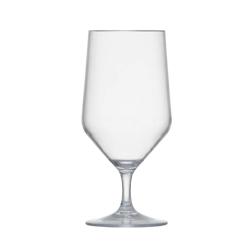
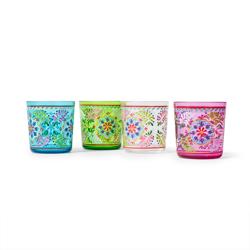
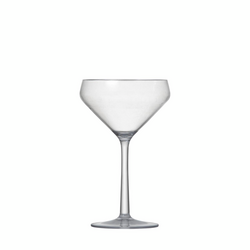
Shape and capacity determine how comfortably plastic outdoor glasses fit into a meal or gathering. Tall tumblers leave room for ice, sparkling water and a citrus wedge, while shorter glasses suit smaller pours or drinks served close to hand beside an appetizer plate. A broad opening makes it easier to add ice and fruit, although an especially wide glass may be awkward for smaller hands. Stemless wine glasses have a low profile that can be easier to arrange on a crowded table, while stemmed shapes offer a familiar way to serve wine without holding the bowl. Neither shape is automatically tip-resistant; a steady base and a level surface still matter, particularly on slatted tables or beside a picnic blanket. For drinks served with plenty of ice, capacity is worth considering beyond the amount of liquid alone. A generously sized tumbler needs space for the drink, ice and a little room below the rim to make carrying it comfortable. Smaller glasses can be useful when children are at the table or when guests prefer modest pours, provided the size and shape are comfortable to hold. Color and surface detail bring another layer of practicality and personality. Clear drinkware lets the color of iced tea, berry lemonade or a sparkling mocktail become part of the table. Tinted glasses can coordinate with patterned napkins, woven placemats or simple white dinnerware without requiring every piece to match. Alongside neutral plates,
blue plastic wine glasses add a distinct color accent that works with both relaxed and polished settings. Faceted or textured surfaces offer visual detail and may provide a more secure-feeling grip, depending on the design. Smooth sides have a simpler look and are easy to wipe dry. For serving several people, a consistent shape can make arranging a tray easier, while different colors can help guests recognize their drinks without adding charms or labels.
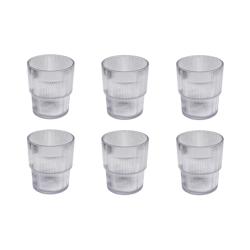
Care and storage play a large part in keeping plastic outdoor drinkware looking its best. Dishwasher-safe labeling should guide cleanup, including any instructions about rack placement or heated drying. Some plastics tolerate routine dishwasher use, while others benefit from hand-washing with mild dish soap and a soft sponge. Abrasive pads and gritty cleaners can leave scratches that dull a clear surface, so gentle cleaning is especially helpful for drinkware chosen for its glasslike appearance. Thorough rinsing and drying help prevent residue and water spots from becoming part of the next table setting. Plastic drinkware should not be assumed suitable for hot beverages, microwave use or freezing unless its care information specifically permits those uses. Deep scratches, chips, cracks or a rough drinking edge are reasons to retire a piece rather than keep it in circulation. Storage deserves similar attention: glasses described as stackable are designed to nest, but forcing other shapes together can leave marks or make them difficult to separate. Enough space around rims and stems helps protect the finish between gatherings. For picnics, a divided carrier or a little cushioning keeps glasses from rubbing against utensils during transport. Poolside use also calls for checking the location’s rules rather than assuming every type of plastic drinkware is permitted. These everyday considerations make reusable outdoor glasses especially useful for frequent hosts, families who eat outside and anyone furnishing a patio dining area. They can also make a thoughtful housewarming or host gift for someone who enjoys sharing meals outdoors, particularly when the style fits the recipient’s table and the care requirements fit their routine. A simple, comfortable shape may get used for everything from breakfast juice to dinner water, while a more decorative silhouette can be reserved for shared appetizers and celebratory toasts. The most useful choice is one that feels good to drink from, fits the way it will be served and remains straightforward to clean and put away.