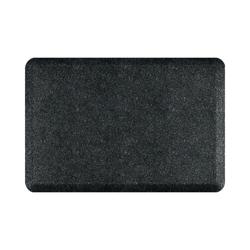
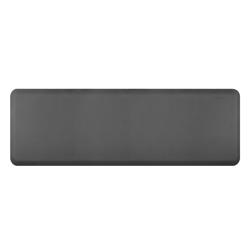
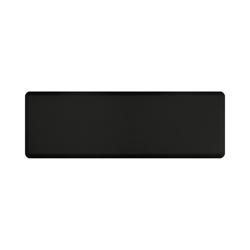
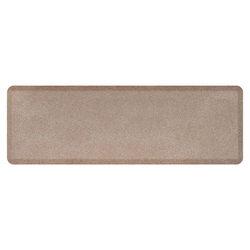
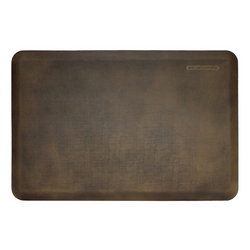
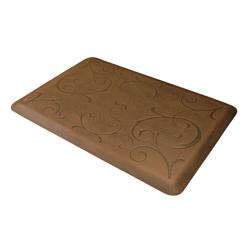
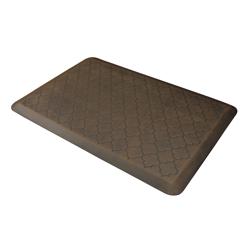
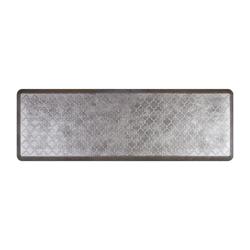
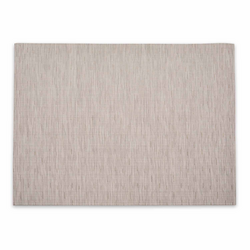
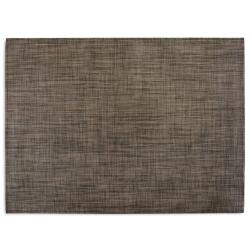
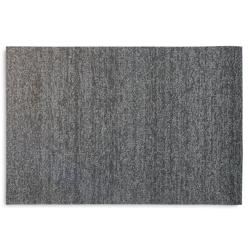
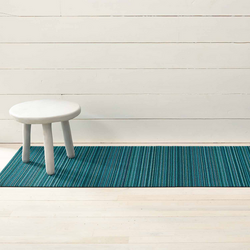
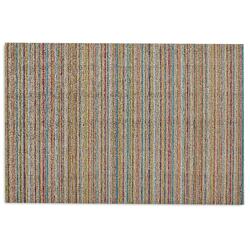
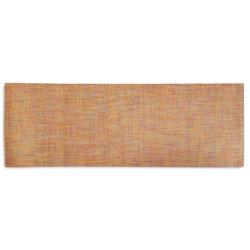
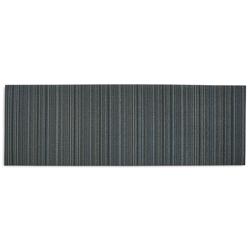
Polyurethane comfort mats are cushioned floor mats designed to make standing at a counter, sink or other work surface more comfortable. Their resilient foam compresses underfoot and rebounds as weight shifts, adding a supportive layer between your feet and a hard floor. In the kitchen, that can make a welcome difference during everyday tasks such as chopping vegetables, stirring a sauce or washing a stack of dishes. Often called anti-fatigue mats, they are intended to ease the discomfort associated with extended standing, not replace comfortable footwear, movement or breaks. Polyurethane is valued for its combination of cushioning and resilience, though the feel and performance depend on the foam formulation, thickness and overall construction. A mat should offer some give without feeling so soft that your feet sink deeply or your stance becomes unsteady. More thickness does not automatically mean better support; the way the foam responds to pressure matters just as much. Some designs use a one-piece construction with an integrated outer skin, while others combine a cushioning core with a separate surface layer. Those differences affect flexibility, cleaning and how the edges hold up over time. A sealed surface can help keep everyday splashes from soaking into the foam, but resistance to water, food stains and household oils varies by design. Check the stated features rather than assuming that every polyurethane mat has the same protective finish. Smooth surfaces are often straightforward to wipe down, while textured finishes may offer a different feel underfoot. Deep patterns and grooves can collect crumbs, so consider how often flour, coffee grounds or vegetable scraps land near the work area. For someone who cooks frequently, a useful mat brings together steady cushioning, practical surface protection and a shape that suits the task.
Fit starts with the place where you actually stand, not simply the amount of open floor in the room. At a sink, the mat should accommodate a comfortable stance while leaving enough room to shift your feet as you rinse produce or load dishes. Along a preparation counter, a longer footprint may make sense if you move between a cutting board and a mixing bowl. Measure the usable floor area, then check nearby doors, appliance clearances and the path people take through the kitchen. An open dishwasher door, a low cabinet drawer or a rolling cart can interfere with a raised mat even when its length and width seem right. The edges deserve attention, too. A gradual, beveled edge offers a smoother transition from the floor to the cushioned surface, while corners that lie flat help keep the mat from catching a foot. No mat eliminates the possibility of slipping or tripping, so placement matters as much as construction. Use it on a clean, dry, level surface and check whether the backing is appropriate for your flooring, especially on wood, vinyl or floors with special finishes. Avoid layering it over another rug unless the manufacturer specifically allows it. When browsing
Durable Polyurethane Kitchen Mats, consider how the footprint, edge design and surface finish will work together in the space. Color can be practical as well as decorative: a quiet neutral can blend with cabinetry, while a contrasting shade can make the mat’s boundaries easier to see. Pattern may soften the appearance of everyday crumbs, but it does not replace cleaning. Beyond the kitchen, a polyurethane comfort mat can be useful at a laundry counter or standing desk when its intended use and floor compatibility allow. For a desk, account for chair wheels and cables; for a laundry area, keep the mat clear of door swings and check underneath after splashes. The goal is cushioning where standing happens without crowding the surrounding walkway.
Everyday care helps preserve both the mat and the floor beneath it. Wipe up spills promptly, particularly grease and cooking oil that can leave the surface slippery. For routine cleaning, follow the manufacturer’s directions; a soft cloth with mild soap and water is often suitable, but cleaning recommendations differ by finish and construction. Avoid assuming that a mat can go in a dishwasher, washing machine or outdoor wash area simply because its surface resists moisture. Harsh cleaners, abrasive pads and stiff brushes may damage a protective skin or decorative finish. Lift the mat periodically to remove grit and check for trapped moisture, then let both the backing and floor dry before putting it back. That small habit is especially helpful near a sink, where a few unnoticed drops can collect underneath. Durability also depends on what comes into contact with the mat. Polyurethane can provide lasting resilience, but it is not immune to cuts, punctures or heat damage. Keep knives, broken glass and hot cookware away from the surface, and avoid placing heavy furniture or appliances on it unless that use is expressly supported. Check for curled edges, cracks, surface peeling or areas that remain compressed rather than springing back. These changes can affect comfort, cleaning and footing, even if the mat still looks acceptable from across the room. If it needs to be moved or stored, follow the care instructions rather than folding it sharply or forcing it into a tight roll. For a frequent baker, an enthusiastic home cook or someone settling into a new kitchen, a comfort mat can also be a thoughtful, practical gift. Confirm the available floor space and preferred colors first, since a good fit matters more than an unexpected design. Whether it supports a long session of kneading dough or a few minutes at the sink, the right mat should feel like a natural part of the workspace: comfortable underfoot, manageable to clean and suited to the way the room is used.