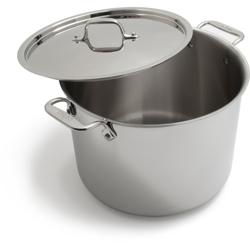
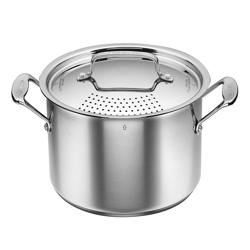
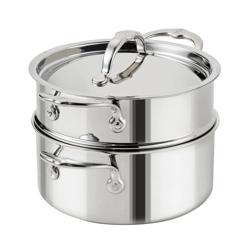
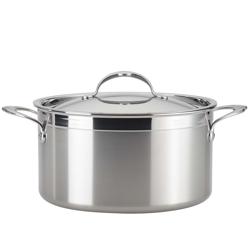
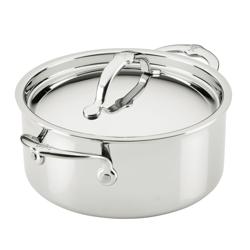
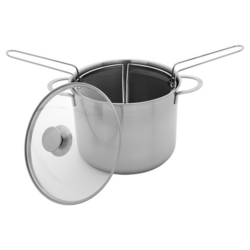
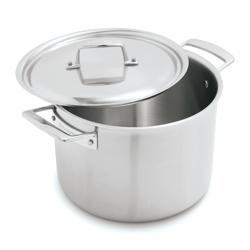
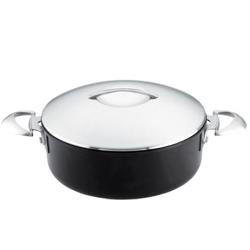
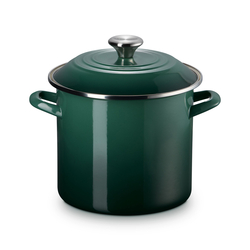
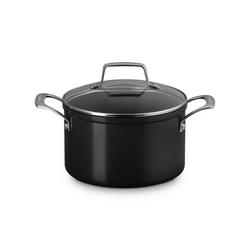
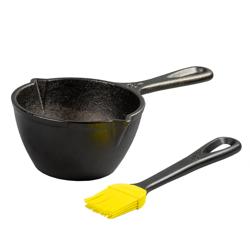
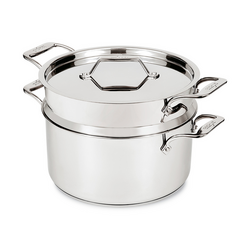
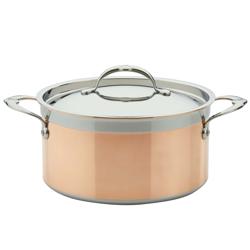
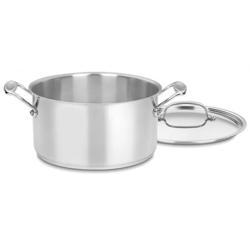
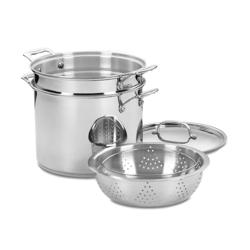
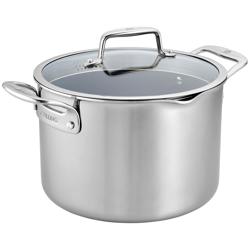
A sturdy pot with a well-fitting lid and comfortable handles is a practical choice for holiday potlucks, especially for soups, stews, chili and braised dishes. The right pot gives food room to cook evenly, makes a full batch manageable to carry and allows easy serving once everyone gathers. For a Thanksgiving buffet, that might mean a wide pot of mashed potatoes with enough space to stir in warm milk without splashing. For a holiday office lunch, a deeper pot can hold a generous batch of bean chili while leaving room above the food for stirring and ladling. Shape matters as much as capacity: a broad cooking surface gives ingredients space to brown, while taller sides suit broth-based dishes and help contain splatters. A heavy base distributes heat more evenly, which is useful for thick sauces, creamy soups and other foods that can catch on the bottom. Capacity is best considered alongside the rest of the menu. A side dish served among a dozen contributions calls for a different size than the main course at a small gathering. Leaving some headroom makes stirring easier and reduces spills, so a pot should comfortably hold the finished recipe rather than reach the brim. Larger does not always mean more convenient, either. A filled pot needs to fit on the home cook’s burner, sit securely in a vehicle and leave enough room on the host’s serving table. Two substantial side handles can make lifting more balanced, especially when oven mitts are needed. The lid deserves attention, too: an easy-to-grip knob or handle is helpful when checking food, and a close fit limits moisture loss during cooking. These everyday details make pots for holiday potlucks useful well beyond a single celebration, from Sunday soup to a family dinner prepared ahead of a busy evening.
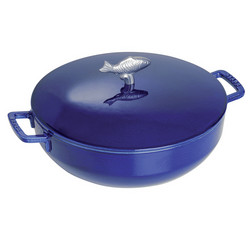
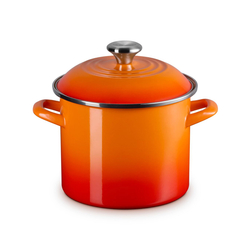
Material affects how a pot heats, how much it weighs and how it fits into a cook’s routine. Enameled cast iron holds heat well, making it useful for slow braises, hearty stews and dishes that move from the stovetop to the oven. Its substantial weight is worth considering before adding several quarts of food, particularly for anyone carrying a dish upstairs or across a large parking lot. The enamel provides a cooking surface that does not require seasoning, though it still benefits from gentle handling and protection from sudden temperature changes. Stainless steel offers a different balance of durability and everyday versatility. Pots with a conductive aluminum or copper core or base can distribute heat effectively, while the stainless steel cooking surface works well for tomato-based soups, wine sauces and other acidic recipes. Construction varies, so the number of layers alone is less useful than understanding where the heat-conducting material sits and whether the pot suits the intended cooking method. Hard anodized aluminum can offer responsive heating with less weight than cast iron, and nonstick interiors can simplify cleanup after sticky sauces or starchy dishes. Those surfaces generally call for nonabrasive utensils and careful attention to the manufacturer’s heat limits. For any material, compatibility with the kitchen matters. Induction cooking requires a compatible magnetic base, and oven use depends on the temperature limits of the entire pot, including its lid and handles. A pot’s diameter should also suit the burner rather than extend far beyond it. Care requirements are another practical distinction: some pots are dishwasher safe, while others need hand-washing. Even when dishwasher use is permitted, gentle washing can help preserve finishes. Allowing cookware to cool before cleaning, soaking stuck-on food and avoiding harsh scrubbers can make cleanup easier without unnecessary wear. For frequent hosts and regular potluck contributors, a durable pot that matches familiar cooking habits is often more useful than one chosen for appearance alone.
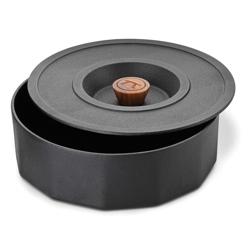
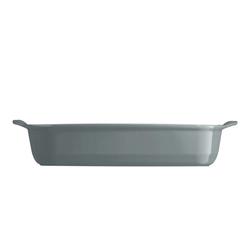
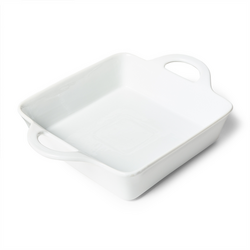
Getting a dish from the kitchen to a holiday gathering brings another set of considerations. A fitted lid helps contain food, but an ordinary cookware lid should not be treated as a leakproof seal. A level position, a stable container around the pot and suitable protection between hot cookware and surrounding surfaces all matter during transport. Handle clearance is easy to overlook until a full pot needs to fit inside a carrier or beside another dish. At the table, a wide opening makes it easier to serve a chunky stew without searching beneath a narrow rim, while enough space around the pot gives guests room to use a ladle comfortably. A heat-safe trivet protects the serving surface, and a separate spoon rest helps keep drips off the tablecloth. Heat retention can be convenient, but a heavy pot is not a substitute for safe holding temperatures. Hot food should be kept at 140°F or warmer, with appropriate reheating or warming equipment when needed, and perishable food should be refrigerated within two hours unless it is being held safely hot or cold. Confirming access to a burner or warming station before the gathering helps match the cookware to the serving setup. For dishes that need a broad, shallow surface, such as baked pasta, stuffing or a bubbling vegetable gratin,
Bakers For Potluck Dinners offer another format suited to oven-to-table serving. Pots remain especially useful for recipes that need stirring, simmering or generous depth. They can also make thoughtful gifts for a new host, a soup enthusiast or the relative who always brings the main dish. The most useful choice reflects the recipient’s kitchen, including storage space, cooktop compatibility and comfort with heavier cookware. A manageable weight, dependable construction and straightforward care help turn holiday cookware into something that gets used throughout the year, whether it holds a celebratory braise for friends or a simple pot of beans for dinner.