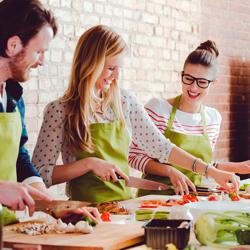
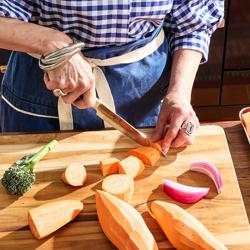
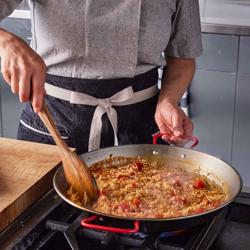
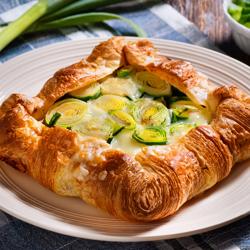
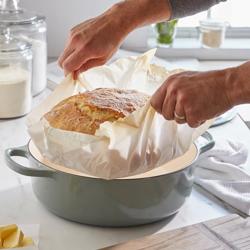
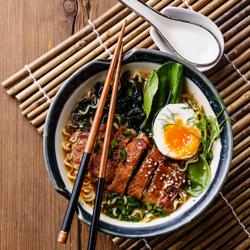
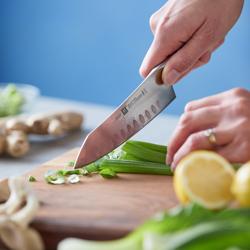
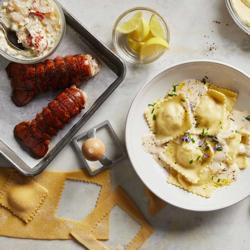
Private chef cooking experiences bring the feeling of a celebrated restaurant into a familiar setting, combining thoughtful hospitality with the pleasure of a meal made especially for the people at the table. Whether the occasion is an intimate dinner, a milestone birthday, a team gathering or a relaxed evening with friends, the right cooking essentials can help create an atmosphere that feels polished without losing its warmth. A private chef may work with the host to plan a custom menu, accommodate allergies and dietary preferences, shop for ingredients, prepare several courses, serve the meal and restore the kitchen before leaving. In other arrangements, the chef leads an interactive class, demonstrating techniques while guests chop, season, shape and taste their way through the menu. The tools chosen for these experiences should support that sense of ease. Look for well-made kitchen pieces that feel comfortable in the hand, are simple to clean and can handle repeated use during prep, cooking and serving. Durable construction matters when a chef is moving quickly between tasks, while balanced handles and clear, readable measurements make shared cooking more approachable for guests with different levels of experience. Serving pieces also shape the experience, helping a carefully prepared meal move naturally from the kitchen to the table. Neutral, versatile styles can work for a rustic family-style spread, an elegant plated dinner or a casual tasting menu, making them useful well beyond one event. During the cooler months, a private chef gathering can turn an ordinary evening at home into something memorable: guests arrive to the aroma of slowly simmered sauces, warm bread or fragrant roasted vegetables, then settle in as each course is finished and presented. At-home dining also allows the menu and pace to reflect the group, whether that means a leisurely progression of small plates or a hands-on meal where everyone gathers around the counter. For hosts, consider the size of the cooking area, the number of guests, available counter space and the serving style before choosing kitchen and tabletop essentials. A compact setup may benefit from versatile pieces that perform more than one task, while a larger venue can accommodate a wider range of prep, cooking and presentation tools. It is also helpful to choose easy-care materials and pieces that stack or store neatly after the chef has gone.
These cooking essentials can make thoughtful gifts for a host, an engaged couple, a culinary enthusiast or anyone who enjoys gathering people around a table. They are especially fitting for someone who has booked a private chef dinner, is planning an interactive cooking event or wants to bring more confidence to everyday meals. A gift selected with the recipient’s habits in mind feels more personal than something chosen simply for appearance. Consider whether they enjoy baking, preparing fresh pasta, cooking over high heat, entertaining large groups or making quiet dinners for two. For someone new to cooking, straightforward tools with comfortable ergonomics can make the first experience feel less intimidating. For an experienced home cook, look for refined finishing touches that support presentation, organization and efficient prep. Hosts who entertain often may appreciate serving essentials that move easily from kitchen to dining room, while frequent travelers or newly settled home cooks may prefer compact pieces that are easy to store and use in different spaces. Private chef cooking experiences also make an inviting setting for learning. A chef can explain how seasoning changes throughout the cooking process, why resting time matters, how to build flavor in layers and how presentation affects the way a dish is enjoyed. Guests often remember these small lessons as much as the meal itself: the sound of a knife on a cutting board, the scent of herbs crushed between the fingers and the moment a sauce comes together with one final adjustment. For additional inspiration on building confidence in the kitchen, explore
Cooking Classes for Chef Tips. When preparing for an at-home chef experience, confirm the menu, guest count, dietary needs, venue requirements and the level of participation expected before the event. Some gatherings are fully catered, while others invite guests to work alongside the chef, so having dependable prep and serving essentials available can make the evening flow more smoothly. Keep frequently used tools within reach, leave enough room for safe movement and arrange the table so each course can be served without crowding. The best setup supports the chef while keeping guests connected to the action, creating an evening that feels organized, generous and genuinely personal.