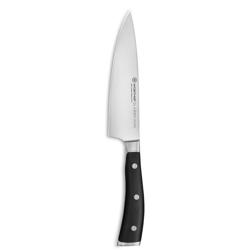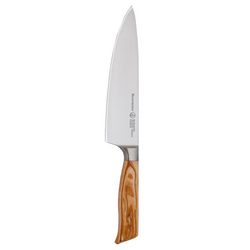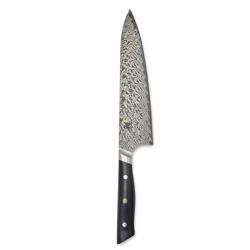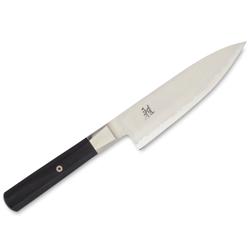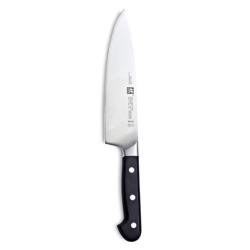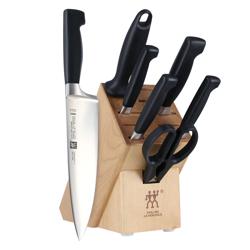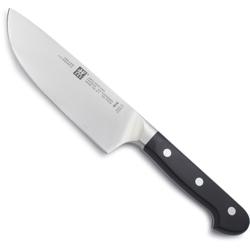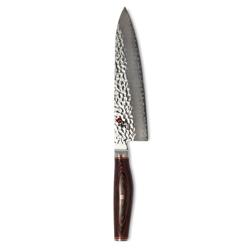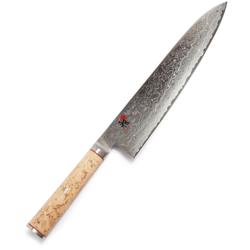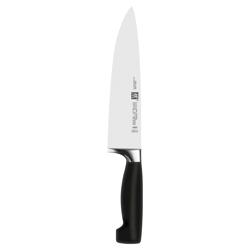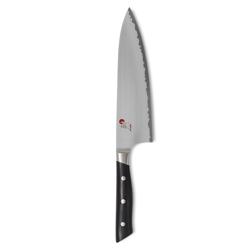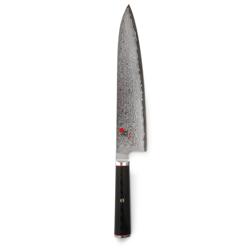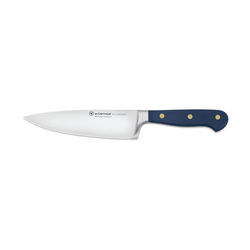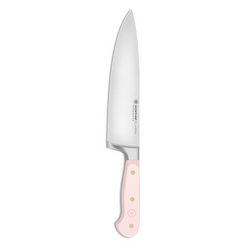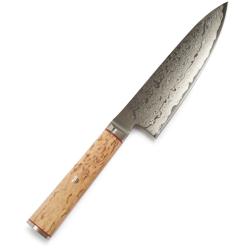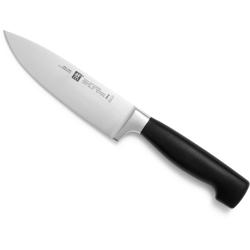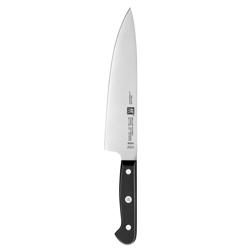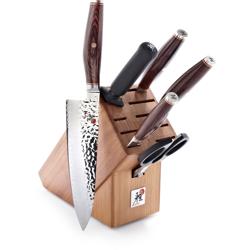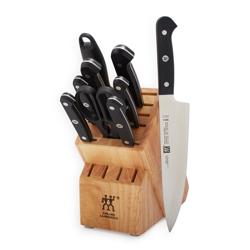
Pro-level chef knives are designed for home cooks who treat prep as more than a quick step before dinner. A well-made chef’s knife can turn a pile of onions, herbs, carrots and winter squash into neat, even pieces with less effort and more control. It is often the most frequently used tool in a kitchen, handling everything from slicing boneless meat to chopping garlic and breaking down large produce. When choosing among professional-style chef knives, start with the blade shape and the way you naturally cut. Western-style chef knives typically have a fuller, curved belly that supports a rocking motion, allowing the tip to stay close to the board as the handle rises and falls. They often feel substantial in the hand, with a planted balance that many cooks appreciate for hearty prep and longer sessions. Japanese-style chef knives tend to have thinner, lighter blades with a flatter profile, making them well suited to push cuts, precise slicing and clean downward chopping. Some designs combine elements of both traditions, offering a versatile shape for cooks who move between rocking, chopping and drawing the blade through food. An 8-inch chef knife is a dependable all-purpose size for most home kitchens, while a 6- or 7-inch blade may feel more nimble for smaller hands, compact workspaces or cooks who prefer closer control. A 9- or 10-inch knife can make quick work of large heads of cabbage, wide squash or generous quantities of ingredients, though it requires enough board space and comfort with a longer blade. Hold the knife as you would during prep, with a secure pinch grip around the blade just above the handle, and look for a balance point that feels natural rather than handle-heavy or blade-heavy. The best professional-grade chef knife is not simply the sharpest one on the shelf; it is the knife whose size, weight, profile and handle allow you to work steadily and confidently.
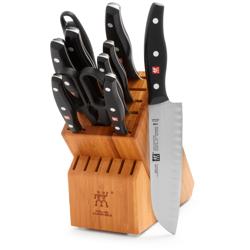
Blade steel is another important consideration because it influences sharpness, edge retention, toughness and care. Many Japanese-style knives use harder steel, often in the range of 60 to 63 on the Rockwell hardness scale. This can support an exceptionally keen, long-lasting edge and a thin blade that glides through ingredients with very little resistance. Harder steel is also less forgiving of twisting, prying, frozen food and contact with bones, so these knives should be used on a stable cutting board and guided through food with a deliberate motion. Avoid striking the blade against the board, scraping ingredients with the sharp edge or cutting through hard pits. German-style knives commonly use somewhat softer steel, often around 58 Rockwell, which can provide greater toughness and a robust feel. They may need sharpening more often, but their edges are generally less prone to chipping during everyday prep. Stainless steel is convenient for cooks who want resistance to staining and easy maintenance, while carbon steel can develop a natural patina and appeal to those who enjoy more hands-on care. Layered or patterned blades may offer both visual character and a carefully engineered cutting core, but appearance should be considered alongside the knife’s geometry, steel and construction. A comfortable handle matters just as much. Look for a shape that fits securely without creating pressure points, especially if you regularly prep for a crowd or cook several dishes at once. Full-tang construction can add balance and durability, while a seamless or carefully finished handle can make wiping away food residue easier. Regardless of style, hand-wash a fine chef knife, dry it promptly and store it in a block, sheath or on a magnetic strip where the edge will not strike other utensils. A honing rod can help maintain the alignment of a compatible edge, but honing does not remove enough metal to restore a truly dull blade. Periodic sharpening by a skilled professional or with a suitable whetstone keeps the knife performing at its best. Cooks who are drawn to lighter profiles, precise slicing and high-hardness steels can explore
Professional Grade Japanese Knives for Home Kitchens for additional options suited to careful everyday use.
A professional-grade chef knife also makes a thoughtful gift for a serious home cook, culinary student, newlywed couple or anyone setting up a kitchen around the cooler months. It is personal without being overly specialized: the recipient can use it for weeknight vegetables, weekend baking projects, holiday entertaining and nearly every meal in between. For a gift, consider the cook’s habits rather than choosing only by appearance. Someone who prepares large roasts, dense root vegetables and family-size batches may prefer a heavier blade with a sturdy feel. A cook who spends time on delicate herbs, sashimi-style slicing or finely cut garnishes may favor a thinner, lighter knife with a precise edge. A compact chef knife can be especially useful for smaller hands, while a full-size blade may be more comfortable for someone accustomed to a broad cutting board and generous prep work. If the knife is intended for a first serious upgrade, an all-purpose chef’s knife is usually more useful than a highly specialized shape. Pairing it with a proper cutting board, protective storage or a sharpening service can make the gift feel complete without distracting from the knife itself. Good technique will extend its life: keep fingertips curled safely away from the blade, let the knife do the work instead of forcing it and cut only on a surface that gives slightly without dulling the edge. Keep a towel nearby for drying and resist the temptation to leave a fine knife soaking in the sink, where it can be damaged or become a hazard. With these simple habits, a pro-level chef knife becomes familiar in the best way—the tool reached for when a crisp onion needs a clean dice, a roast needs smooth slices or a basket of seasonal produce is waiting on the counter. Over time, the right knife develops into an everyday companion, bringing professional control and a satisfying sense of rhythm to home cooking.