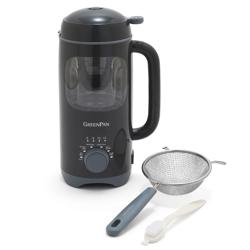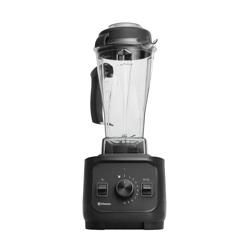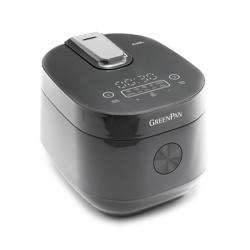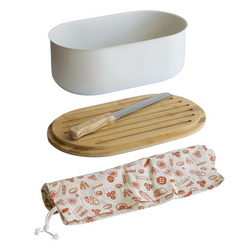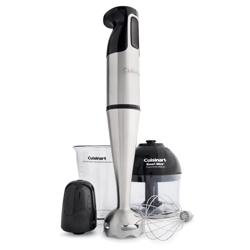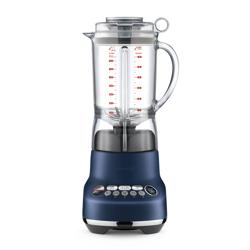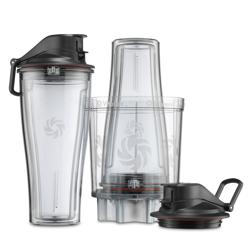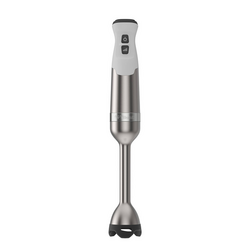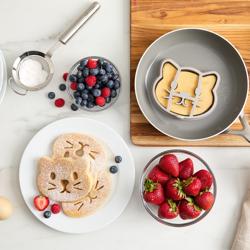
Products for healthy routines include kitchen tools for preparing balanced meals, storing ingredients and making everyday hydration more convenient. Blending equipment, versatile cookware, food-prep tools and reusable storage can support habits that fit your schedule, whether that means breakfast before an early commute or a homemade dinner after a busy day. The value is in making familiar tasks easier to repeat, not adding a complicated new routine. A breakfast built around fruit, yogurt and oats calls for different preparation than eggs with sautéed vegetables, but both benefit from equipment that is easy to handle and clean. For blended breakfasts, capacity and texture control matter: a single serving should be manageable without unnecessary leftovers, while larger batches need enough room for ingredients to circulate. For lunch preparation, tools that make quick work of crunchy cabbage, ripe tomatoes and fresh herbs can help turn a few ingredients into meals you look forward to eating. Cooking at home also gives you room to adjust portions, seasoning and ingredients to suit personal preferences or dietary needs. Equipment suited to steaming, roasting and sautéing offers several ways to prepare vegetables, grains and proteins without relying on one cooking method. Think of tender broccoli beside rice, roasted carrots folded into a grain bowl or a simple soup portioned for lunch. Storage is just as much a part of the routine as preparation. Containers with useful sizes and secure closures can keep components separate until serving, protect delicate greens from heavier ingredients and make leftovers easier to identify. A clear view of what is ready to eat can be especially helpful on a crowded refrigerator shelf. For drinks, reusable vessels sized for a desk, cup holder or everyday bag can make water easier to keep nearby. These products support the practical side of healthy routines: less friction between having good ingredients and turning them into something satisfying, with enough flexibility for days when plans change.
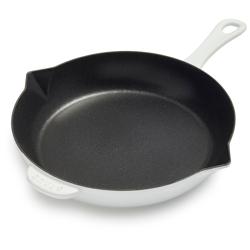
Materials and construction influence how these kitchen essentials perform over repeated use. Stainless steel is a durable option for many cooking and preparation tasks, with a nonreactive surface suited to a wide range of ingredients. Cookware construction matters alongside the surface material, since heat distribution affects everything from gently softening onions to browning a portion of fish. Nonstick surfaces can be useful for delicate foods and straightforward cleanup, although appropriate utensils and the manufacturer’s care instructions help protect the finish. Cast iron holds heat well for searing and roasting, while its weight and maintenance needs deserve consideration if easy lifting and quick cleanup are priorities. Glass storage offers a clear view of prepared food and generally resists odors, but suitability for freezer, microwave or oven use depends on the individual design. Lightweight plastic can be convenient for packed lunches, while stainless steel storage may suit transport but is not appropriate for microwave reheating. Flexible silicone is useful where an easy grip, a pliable edge or compact storage makes a difference. Across materials, details such as a stable base, comfortable handles and lids that are easy to open can matter as much as appearance. A vessel that becomes awkward when full may not fit an everyday routine, even if its capacity looks right on paper. Small appliances bring their own practical considerations, including counter space, accessible controls and the number of parts involved in cleaning. Equipment used for thick mixtures or frozen ingredients should be designed for those tasks rather than selected by size alone. Care is part of long-term usefulness, too. Dishwasher-safe components can simplify a busy evening, while pieces that require hand-washing should be manageable enough that cleaning does not become a reason to leave them unused. Storage lids, seals and narrow openings also affect how easily food residue can be removed. Clear care directions, sturdy construction and replaceable components where offered are worth considering for equipment intended to become part of daily life.
The best fit for a healthy routine depends on who is cooking, how much food is needed and where the equipment will live. Someone preparing meals for one may appreciate compact pieces that handle small portions without taking over a cabinet. A household cooking several servings at a time may need more generous capacities, stackable storage and cookware that moves comfortably from preparation to serving. Fit includes the space around the product: refrigerator shelves, lunch bags, cabinet height and the distance between a countertop and overhead cabinets all influence everyday convenience. It also includes the person using it. Comfortable grips, readable markings and controls that are easy to operate can make preparation more approachable for a new cook or anyone who finds heavy equipment difficult to handle. For shared kitchens, versatile pieces often earn their space by working across several meals. The same preparation tools might help with breakfast fruit, chopped vegetables for lunch and ingredients for dinner, while well-sized storage can hold a prepared meal one day and washed produce the next. Routines do not have to mean eating the same thing repeatedly. Keeping cooked grains, a dressing and a few prepared vegetables separate leaves room to change flavors and textures throughout the week. A little organization also makes it easier to pack a meal before leaving home rather than start from scratch when time is short. For families balancing school lunches, workdays and activities,
Products For Active Households offers another relevant way to explore kitchen essentials around everyday needs. Products for healthy routines can also make thoughtful gifts for someone settling into a first kitchen, learning to cook or enjoying more homemade meals. Gifts are most useful when they reflect the recipient’s interests and space, rather than assume a particular diet or wellness goal. Easy care, versatile uses and a comfortable size help a gift become part of regular life. Whether the goal is a smoother breakfast, a dependable packed lunch or more enjoyable meal preparation, practical kitchen equipment can support a routine that feels personal, flexible and achievable.