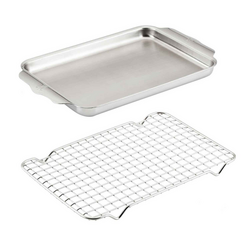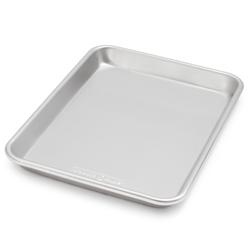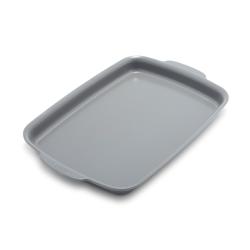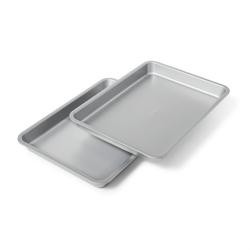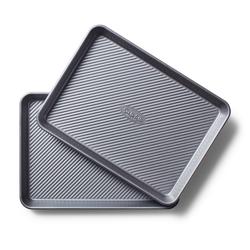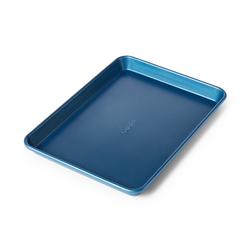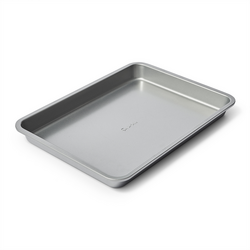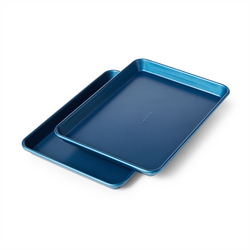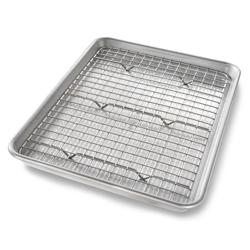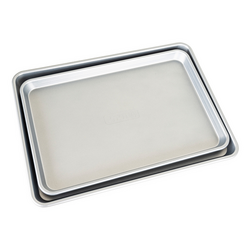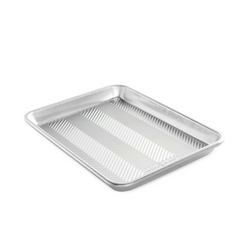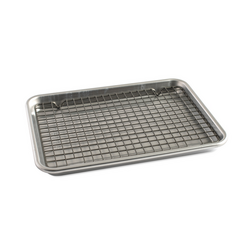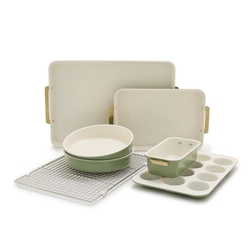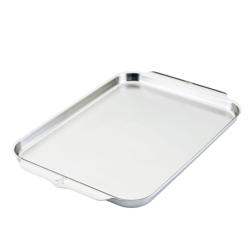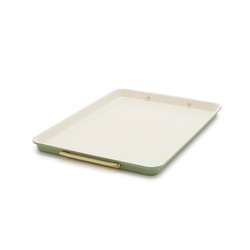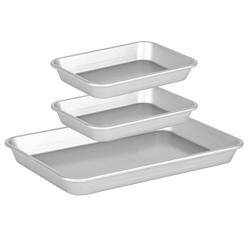
Quarter sheet pans for summer snacks are compact, rimmed baking pans that typically measure about 13 by 9 inches, making them useful for small-batch baking, roasting vegetables, freezing fruit bark and serving casual snacks. Their manageable size suits everything from a handful of toasted almonds to a few slices of tomato toast, without requiring a full-size baking sheet for a modest portion. For summer entertaining, that smaller footprint has another advantage: several pans can hold different foods, keeping crisp crackers separate from juicy fruit or letting a spicy snack sit apart from a milder one. Picture golden zucchini rounds cooling on a rack, berry-studded yogurt bark waiting in the freezer or warm pita wedges ready for a bowl of hummus. A shallow rim helps contain loose ingredients and small amounts of liquid while leaving plenty of surface area exposed for browning. Unlike a deeper baking dish, a sheet pan gives vegetables and bite-size appetizers room to spread into a single layer, which helps moisture escape rather than collect around the food. The compact format is especially practical for one- or two-person households, families preparing separate snack portions and cooks who enjoy making a little of several things. It also makes a convenient staging area for sliced peaches, skewered vegetables or other ingredients headed outside, though raw meat should always have a separate tray from ready-to-eat foods. For a broader look at this versatile bakeware format, explore the
Quarter Sheet Pan selection with the snacks and portions you make most often in mind. Whether the plan is a quiet afternoon snack or a table of shareable bites, the appeal is straightforward: a useful amount of cooking space in a pan that is easy to carry, tuck into a cabinet and put to work again.
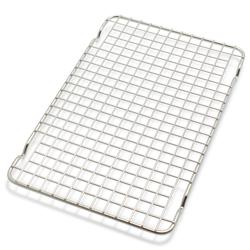
Material and construction make a noticeable difference in how a quarter sheet pan handles those everyday tasks. Aluminum conducts heat readily and is relatively lightweight, making it a practical choice for cookies, toasted nuts and roasted vegetables. Bare aluminum does not rust like unprotected iron or steel, but it can discolor, and prolonged contact with acidic or salty foods can affect its surface. Parchment can provide a barrier for suitable baking tasks, while another food-safe container is a better choice for storing marinated tomatoes or citrus-dressed fruit. Aluminized steel combines a steel base with an aluminum-containing surface layer, offering a different balance of weight, strength and heating performance. Stainless steel is generally resistant to corrosion and works well for prep and serving, although it conducts heat less efficiently than aluminum and may brown food differently. Nonstick finishes can help delicate snacks release and make cleanup easier, but coating care and maximum oven temperatures vary. Choose utensils and cleaning tools recommended for the finish rather than assuming every pan can tolerate metal spatulas or abrasive scrubbers. A substantial pan body and reinforced rim can help resist twisting, though no construction makes a pan immune to warping under abrupt temperature changes. Fit matters just as much as material. The familiar 13-by-9-inch measurement is approximate, and listed dimensions may describe the outer rim rather than the usable cooking surface. Check overall length and width against oven racks, refrigerator shelves and freezer drawers, especially if a compact countertop oven is part of the plan. Leave the clearance required by the appliance manufacturer instead of choosing a pan that barely slides inside. A quarter sheet pan also has shallower sides than a typical 9-by-13-inch cake pan, so the two are not interchangeable for recipes with substantial batter or liquid. For cooling baked snacks or lifting food above drippings, a compatible rack can be useful; confirm both its fit and whether it is intended for oven use.
Intended use can help narrow the choice further, particularly when summer snacks range from warm and crisp to chilled and creamy. For roasted chickpeas, thin sweet potato wedges or bite-size pieces of flatbread, prioritize a pan that leaves enough room between portions for browning. Packing more food onto a small surface can lead to steaming, so a second batch may give better results than a crowded pan. For frozen yogurt bark, a smooth, level surface and a parchment lining make it easier to spread the mixture evenly and lift it out once firm. Check that the pan is suitable for freezer use, then transfer finished pieces to a covered freezer-safe container rather than leaving them exposed. When serving fruit, cheese or other perishable snacks outside, use the pan as a convenient tray, not as a substitute for refrigeration or a chilled serving setup. Smaller portions replenished from the refrigerator help keep the table inviting without setting everything out at once. Care between uses supports durability: let a hot pan cool before washing, remove stuck-on food with a gentle soak when permitted and dry thoroughly before putting it away. Even when a pan is labeled dishwasher safe, check the care instructions, since hand-washing may help preserve its appearance or coating. Avoid moving a pan directly from the freezer into a hot oven unless the manufacturer specifically allows it, and follow separate guidance for broiler use. Nesting pans can save cabinet space, but a soft separator helps protect coated surfaces from scratches. These practical details also make quarter sheet pans thoughtful gifts for a first apartment, a housewarming or someone who likes to bake in small batches. Paired with compatible parchment or a properly sized cooling rack, they support familiar kitchen routines without demanding much storage room. From a few warm cookies after a swim to a neatly arranged tray of melon and crackers for the patio, a well-chosen quarter sheet pan earns its place through frequent, uncomplicated use.