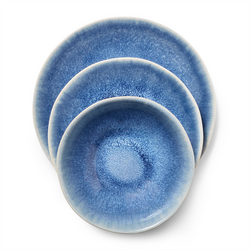
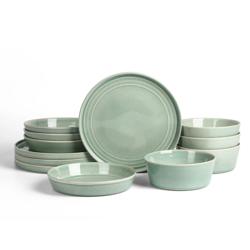
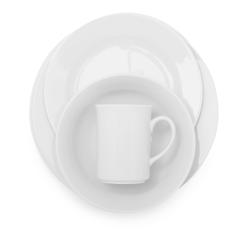
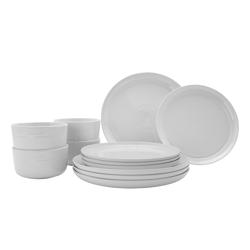
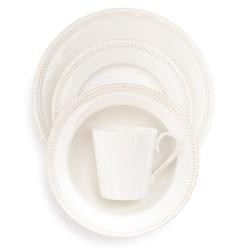
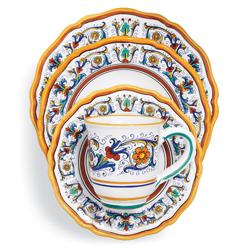
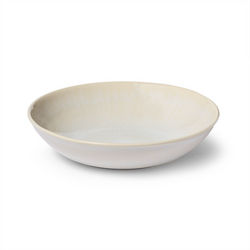
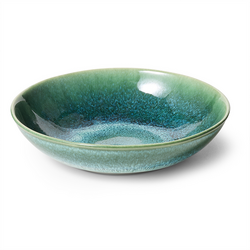
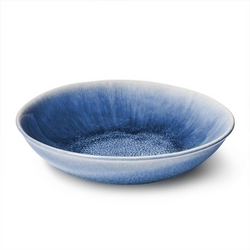
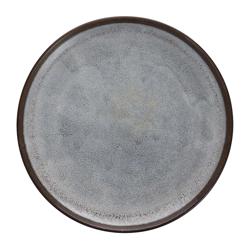
Reactive glaze sets are ceramic dinnerware sets with finishes that develop variations in color, pattern and depth during firing. As components in the glaze interact under heat, they can create soft bands of color, scattered speckles or darker areas where the glaze gathers. The result is a coordinated table with subtle differences from piece to piece rather than an entirely uniform finish. A plate might have a pale center and a deeper rim, while a bowl in the same collection carries a slightly different balance of those tones. That variation is part of the appeal: the dishes feel related without looking identical. Reactive glazing describes the finish, not the material underneath, so it helps to consider the ceramic body as well. Stoneware is a common choice for its substantial feel, while porcelain can offer a different balance of weight, thickness and strength depending on its construction. Neither material alone determines how durable a finished piece will be; shape, firing, glaze quality and everyday handling all matter. Surface texture deserves attention, too. A glossy interior can emphasize the depth of a glaze, while a satin or matte finish creates a softer appearance. The look does not necessarily indicate how smooth a surface feels, so consider the eating surface, rim and underside separately when evaluating dinnerware. For everyday meals, choose colors that suit the food as much as the room. Creamy neutrals make leafy salads and roasted vegetables stand out, while blue, green and earthy brown finishes bring their own character to a simple bowl of rice or pasta. More pronounced patterns create a lively table; quieter variations leave more visual space for the meal. Reactive glaze dinnerware sets work especially well for anyone who enjoys the character of pottery but wants the convenience of coordinated place settings. They can feel relaxed enough for breakfast at the kitchen counter and composed enough for a table set for friends.
The most useful set is one that fits the way meals are actually served at home. Look beyond the total piece count and check which shapes are included, how many people the set accommodates and whether each piece has a clear role. A household that regularly serves soup, noodles or grain bowls may get more use from generous bowls than from mugs, while frequent hosts may prioritize enough dinner plates for a full table. Think about the busiest ordinary meal, not just an occasional gathering. Having enough place settings to cover dinner while a few pieces are in the dishwasher can make a noticeable difference in the daily routine. Shape affects usefulness just as much as quantity. Wide, shallow bowls give pasta and saucy dishes room to spread, while deeper bowls help contain cereal, broth and rice dishes. A broad plate rim frames food neatly but reduces the central eating area, so compare the usable surface rather than diameter alone. Plates with raised edges can help keep dressings and sauces contained, though they may sit differently in a dishwasher rack than flatter profiles. Weight is another practical consideration. A substantial stoneware plate can feel reassuring on the table, but a stack may be cumbersome to lift from a high shelf. Consider who will carry the dishes, including children setting the table or anyone who prefers lighter tableware. Measure cabinet depth and check how plates and bowls stack before committing to a shape. Deep foot rings, tall rims and irregular profiles can take up more room than expected. If reheating leftovers is part of the routine, confirm both microwave suitability and whether the dishes fit comfortably inside the appliance. For a smaller kitchen, versatile shapes earn their space: a medium bowl might serve oatmeal at breakfast, a chopped salad at lunch and a side dish at dinner. Those everyday details matter more than a finish that looks appealing but does not suit the household.
Care requirements should be part of choosing reactive glaze sets, not an afterthought once the table is cleared. Dishwasher-safe and microwave-safe designations depend on the individual dinnerware, so follow the manufacturer’s instructions rather than assuming that all glazed ceramics can be treated alike. Microwave suitability also does not establish that a dish is safe for the oven or broiler. Avoid sudden temperature changes, such as moving a chilled plate directly into a hot oven or placing a heated dish into cold water, unless the manufacturer expressly permits that use. For hand-washing, a soft sponge and mild dish soap are sensible starting points; abrasive pads or harsh cleaners may affect some finishes. In the dishwasher, leave enough space between pieces to prevent rims from knocking together during the cycle. Careful stacking helps protect edges as well, especially when dishes are frequently lifted in and out of cabinets. No ceramic dinnerware is chip-proof, and a heavier piece is not automatically more resistant to impact. Over time, the best choice is usually the one that balances comfortable handling with appropriate care. Beyond everyday practicality, reactive glaze dinnerware makes a thoughtful housewarming or wedding gift when the recipient’s preferences are known. Consider their cabinet space, usual household size and whether they enjoy a coordinated table or mixing different colors and textures. A restrained glaze can sit comfortably alongside existing white dishes, while a more expressive finish may suit someone building a table setting around a favorite color. For shared dishes,
Reactive Glaze Platters can extend that sense of coordination without requiring an exact match. Similar undertones often matter more than identical patterns when pairing serving pieces with place settings. Simple glassware, cloth napkins and familiar flatware give the glaze room to stand out. The goal is dinnerware that feels good to use, holds the meals people love and brings a little individual character to the table every day.