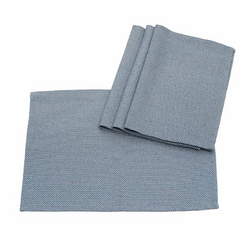
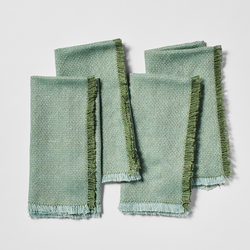
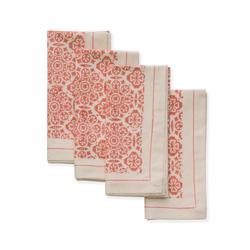
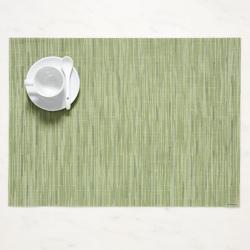
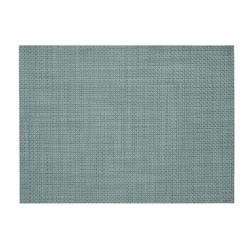
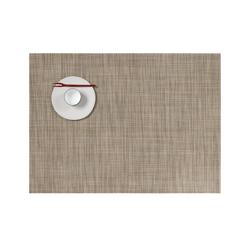
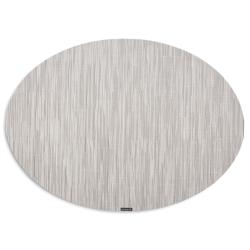
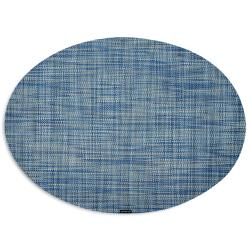
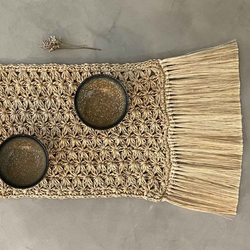
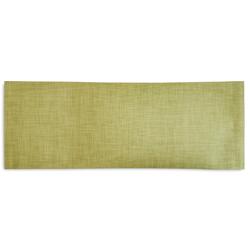
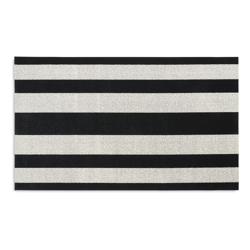
Recycled home decor includes decorative accents and household textiles made partly or entirely from materials recovered and processed for a new use, such as glass, metal, paper and fabric. These materials bring another layer of interest to a room while putting existing resources back to work. Recycled glass can catch the light on a dining table, woven fibers can soften a breakfast nook and metal accents can add contrast to a wooden sideboard. The look is not limited to rustic or handmade styles: smooth finishes, simple shapes and restrained colors can fit just as naturally into a modern kitchen or a pared-back living space. Recycled, reclaimed and upcycled decor are related, but the terms describe different approaches. Recycled materials are processed into usable material again; reclaimed materials are recovered for reuse, often with much of their original character intact; upcycled objects are adapted for a different purpose or given new value. Understanding those distinctions makes it easier to choose decor for both its appearance and its material story. A weathered finish alone does not establish recycled content, and a polished surface does not rule it out. Product descriptions that identify the material and, when provided, the percentage of recycled content offer more useful information than broad environmental language. Recycled content also does not automatically mean an object can go into a household recycling bin at the end of its life, since mixed materials, finishes and local collection rules matter. For everyday decorating, the most satisfying choice is often something that suits the room well enough to stay there through changing seasons. Think of a softly textured surface against smooth cabinetry or a translucent accent that brightens an otherwise quiet shelf. During the cooler months, these details can work alongside deeper colors and warmer textiles without requiring a complete change of decor. The appeal comes from how comfortably the materials belong in the home, not from making every object match.
Choosing recycled home decor starts with the same practical considerations as choosing any piece for a well-used home: material, scale, stability and intended use. Glass offers lightness in appearance, though its actual weight and resistance to breakage depend on its construction. Bubbles, subtle color differences or an uneven surface may be part of a particular design, but they are not proof of recycled content. Check that the base sits securely, especially on a narrow console or a dining table that sees plenty of activity. Metal can provide a crisp outline or a softer, aged finish; its suitability for damp areas depends on the metal itself and any protective coating. Reclaimed wood may show grain changes, knots or evidence of an earlier use, while its finish determines how well it handles an occasional splash or a wipe-down. Recycled textiles vary in softness, thickness and performance according to their fiber blend and weave, so material content matters more than the recycled label alone. In a busy kitchen or dining area, washable fabrics and surfaces with straightforward care requirements may be a better fit than delicate textures. Measure the intended spot before choosing proportions, allowing space for the things that happen around the decor. A table arrangement should leave room for serving dishes, comfortable conversation and someone reaching across to pass the bread. On open shelving, consider depth as well as height so an accent does not sit precariously close to the edge. Keep frequently used storage easy to reach rather than placing decorative layers in front of it. Color can help connect different materials: a shared warm neutral, smoky tone or muted green can make a mix feel deliberate without looking overly coordinated. For another way to explore color in the room,
Green Home Decor offers a related decorating direction; color alone, however, does not indicate recycled content. Whether the setting is a small apartment or a generous gathering space, a few well-proportioned accents can give existing furnishings a fresh sense of balance.
Care and durability deserve attention because decor often lives close to water, food, sunlight and everyday movement. Follow the care instructions for the finished piece rather than assuming all recycled glass, metal or fabric behaves alike. Glass with applied color or decorative finishes may need different treatment from undecorated glass, and a recycled-content textile may require a gentle wash cycle or air-drying to preserve its shape. Use a soft cloth for routine dusting when appropriate, and avoid abrasive cleaners unless the manufacturer specifically recommends them. Protect wood furniture from moisture beneath decorative containers, wipe up spills promptly and avoid leaving damp textiles bunched against finished surfaces. Direct sunlight can affect some dyes and finishes over time, so a bright windowsill may call for a different material than a shaded bookcase. Intended use is equally important: a decorative container is not necessarily food safe, watertight or suitable for holding a lit candle. Choose pieces explicitly designated for those purposes when serving snacks, displaying fresh stems in water or adding candlelight to a table. For households with children or pets, stable shapes and thoughtful placement help keep everyday spaces comfortable to use. Recycled home accents can also make considerate housewarming, wedding or host gifts when chosen around the recipient’s habits rather than a broad style label. Someone who enjoys relaxed dinners may appreciate easy-care tabletop textures, while a person with limited shelf space may prefer a compact accent that works in more than one room. Neutral colors can be easier to blend with an unfamiliar interior, but a favorite shade or familiar material makes the choice feel more personal. Clear material information and manageable care needs are especially helpful for gifts, allowing the recipient to enjoy the piece without guesswork. Over time, moving an accent from a dining table to a sideboard or pairing a familiar texture with different linens can keep a room feeling fresh. Recycled home decor works best when its usefulness, character and care requirements make it a natural part of daily life.