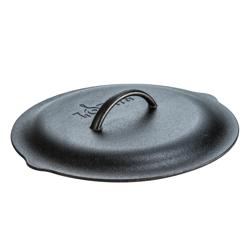
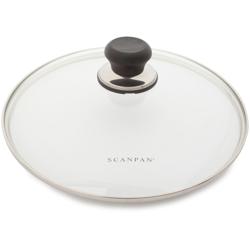
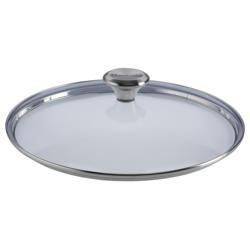
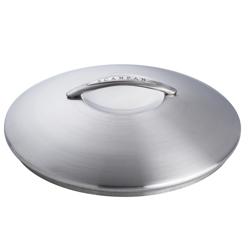
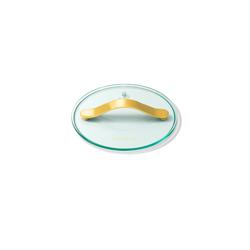
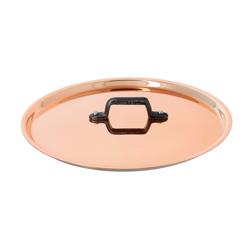
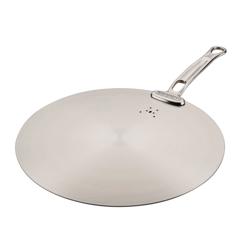
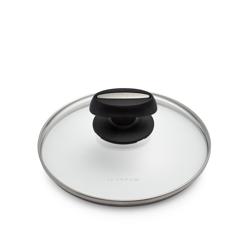
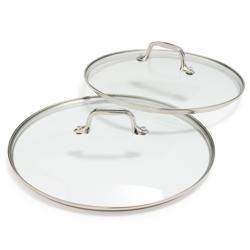
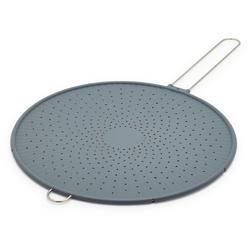
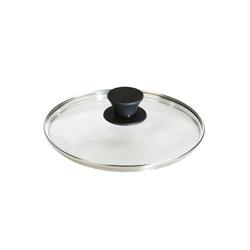
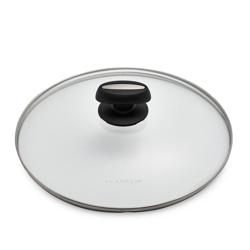
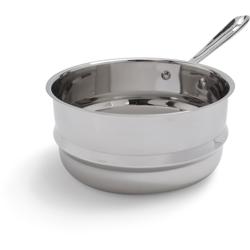
Replacement lids restore the function of cookware, food storage containers and drinkware when an original lid is lost, damaged or no longer fits securely. The right replacement matches the vessel’s dimensions, rim design and intended use, whether that means covering a saucepan as rice simmers or keeping a container of chopped vegetables covered in the refrigerator. A close visual match is not always a functional one: lids with the same stated diameter can have different edges, depths and seating surfaces. For cookware, start with the manufacturer’s size and compatibility information, then confirm how the lid rests on the pot or pan. When measuring is necessary, follow the maker’s directions for where to measure, since an inside opening and an outside rim can give different results. A lid should sit evenly without rocking, slipping into the vessel or balancing precariously on its edge. Food storage lids require similar attention to shape, rim profile and any locking tabs or sealing channels. Check identifying information on the base of a container, including its model or capacity, rather than relying on capacity alone. Two containers that hold the same amount may have very different openings. Drinkware replacements need to match the opening and attachment system as well as any drinking port, straw opening or gasket. These details matter most when a lid has a job beyond simply covering the contents. A cooking lid helps manage heat and evaporation; a storage lid protects food between uses; a travel lid may help limit spills when used as directed. None of those functions automatically makes a lid airtight, leakproof or suitable for every vessel. Choosing by the task and the fit helps keep a favorite piece in service without replacing an otherwise useful pot, container or cup. It also makes replacement lids a practical choice for home cooks furnishing a first kitchen, households sorting through mismatched containers or anyone bringing a well-used piece of cookware back into the daily rotation.
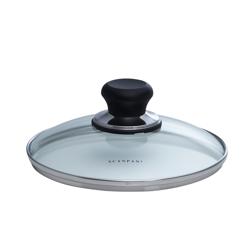
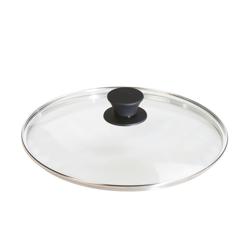
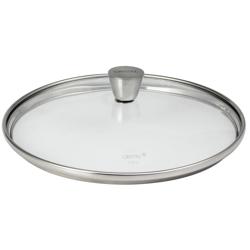
Material affects how a replacement lid feels, performs and holds up to repeated use. Glass cookware lids offer a clear view of bubbling grains or gently simmering soup, so there is less need to lift the cover just to check progress. Condensation can cloud that view, but visibility remains useful when watching for a boil or monitoring liquid levels. Tempered glass is designed for greater strength than ordinary glass, yet it still needs protection from impacts and sudden temperature changes. Stainless steel lids offer durability without a glass viewing surface and can be a practical match for cookware that sees frequent use. Their oven suitability depends on the entire construction, including the knob, handle and any other components, not just the metal itself. Silicone can provide flexibility in storage covers and some multipurpose lid designs, while plastic is common in lids intended for food storage. Neither material should be assumed suitable for the stovetop, oven or microwave without explicit manufacturer approval. Likewise, a lid described as dishwasher safe is not necessarily heat-safe for cooking. For stovetop use, shape and weight deserve attention alongside material. A domed lid provides clearance above the rim, which can be helpful when covering a mound of greens as it wilts. A flatter profile may be easier to store in a shallow drawer. Vented designs allow some steam to escape, while a closer-fitting, unvented lid generally retains more moisture; neither replaces the need to adjust the burner to maintain the right simmer. For larger vessels used to prepare broth, pasta or generous batches of soup,
Stockpot Lids focus the search on covers suited to that cookware category, with exact compatibility still worth checking. Handle shape matters, too. A comfortable grip and enough clearance for a dry potholder make a lid easier to lift, especially when condensation has collected underneath. A handle that looks cool to the touch may still become hot during cooking. Pressure cookers and other appliances with locking or pressure-regulating lids require manufacturer-approved replacements; a general-purpose cover cannot substitute for those safety systems.
Everyday habits can help a well-matched lid last longer and keep it pleasant to use. After cooking, let the lid cool before washing, particularly when it contains glass, and avoid placing hot glass on a cold or wet surface. Follow the care instructions for the complete lid rather than treating the main material as the only consideration. Metal rims, decorative finishes, knobs and removable seals may have different cleaning requirements. When hand-washing is recommended, mild dish soap and a soft sponge can remove grease and food residue without the scratching that abrasive pads may leave behind. Steam vents and the underside of handles deserve attention because splatters can collect in small spaces. On food storage and drinkware lids, clean removable gaskets, channels and drinking openings according to the manufacturer’s directions, then allow all parts to dry thoroughly before reassembling. Trapped moisture and lingering food residue can cause odors even when the broad surfaces look clean. Inspect lids periodically for chipped glass, cracks, warped edges, damaged seals or loose hardware. A lid that no longer seats properly may not perform as intended, and damaged glass should be taken out of use. Storage also makes a difference: keeping lids upright in a divided organizer or separated so they do not knock against heavy cookware can help protect their edges and make matching them to vessels easier. For a container that carries lunch to work, confirm the lid’s leak-resistance instructions before placing it in a bag, and do not assume a snug snap-on cover can safely hold liquids on its side. When reheating leftovers, follow both the container’s and lid’s microwave directions, including any requirements to loosen, vent or remove the cover. For cooks who move a covered pan from the stovetop to the oven, the lid’s stated oven limit matters just as much as the pan’s. A carefully chosen replacement brings that kind of everyday usefulness back to something already familiar: the pot used for a reliable rice recipe, the container that fits neatly on a refrigerator shelf or the cup carried on a daily commute.