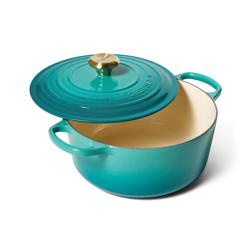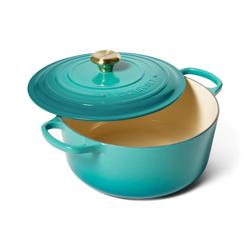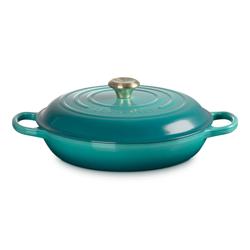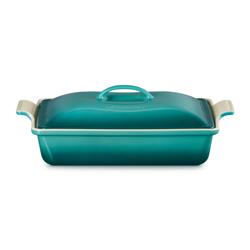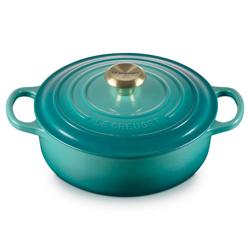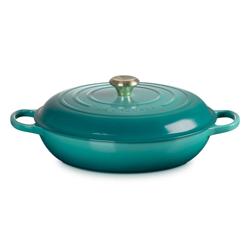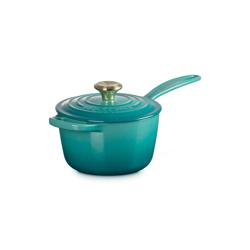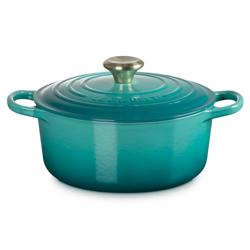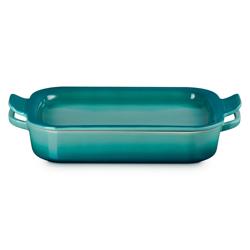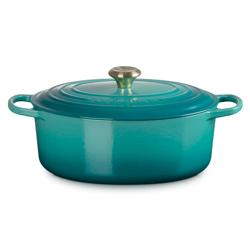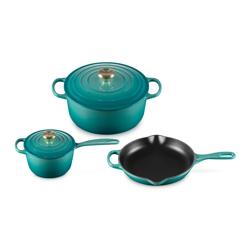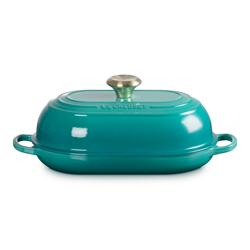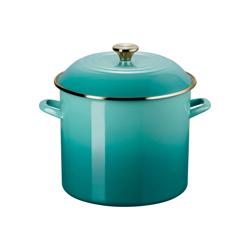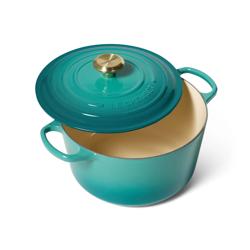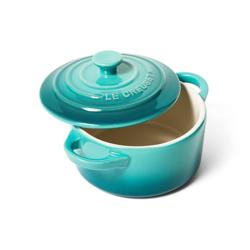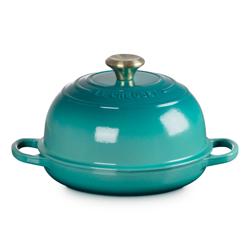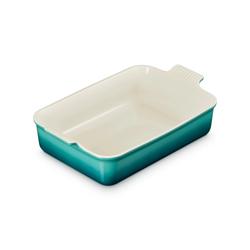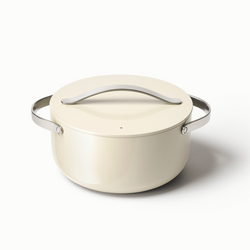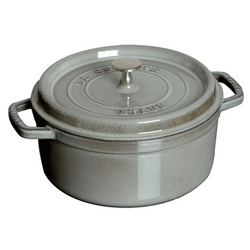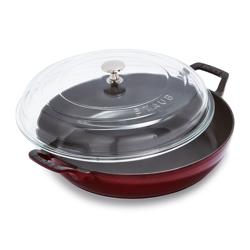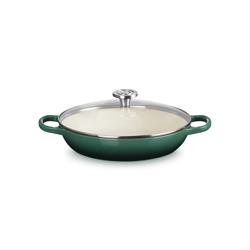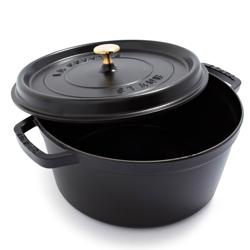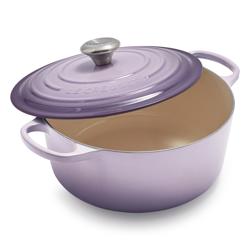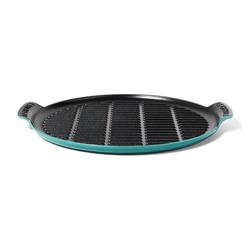
Riviera cookware with lids brings together the practical design details that make everyday cooking feel more organized: dependable heat distribution, comfortable handles and a fitted lid that helps retain moisture and warmth. Covered saucepans, sauté pans, stockpots and other versatile pieces can move easily from preparing a quick weeknight meal to simmering a larger batch for a gathering. A lid is especially useful when cooking foods that benefit from steady, enclosed heat, such as rice, grains, braises, soups, beans and gently simmered sauces. It helps limit evaporation, keeps splatters contained and allows ingredients to soften without constant stirring. During the cooler months, a covered pot is often the piece that stays busy on the stovetop, holding everything from a hearty vegetable soup to a slow-cooked tomato sauce. For smaller kitchens, cookware with lids can also make a thoughtful choice because each covered piece offers more than one function: sauté aromatics with the lid off, simmer with it in place and store leftovers once the cookware has cooled, when the construction and care instructions allow. When comparing options, consider the pan size, shape and capacity in relation to the meals you prepare most often. A smaller covered pan is useful for oatmeal, grains, reheating and sauces, while a broader pan gives vegetables, chicken or fish more room to cook evenly. Taller covered vessels are well suited to soups, pasta, stocks and larger portions. If you are building a collection, choose complementary sizes rather than several pieces that perform the same job. A dependable medium-size covered pan is often the one that earns a permanent place near the front of the cabinet, ready for everything from a morning batch of scrambled eggs to an evening side dish.
Material and construction are important considerations when selecting cookware with lids. Stainless steel is valued for its durability, polished appearance and resistance to reacting with acidic ingredients. In classic copper-bottom or copper-clad designs, the copper layer can help transfer heat quickly across the base, while stainless steel provides a sturdy cooking surface that is easy to use with a wide range of recipes. These features can be especially helpful for cooks who move between delicate tasks—such as warming milk or reducing a sauce—and everyday meals that require steady, responsive heat. A thick or layered base may help reduce hot spots, but the best results still come from matching the pan to the burner, preheating thoughtfully and adjusting the heat as the food cooks. Lids deserve equal attention. A well-fitting lid should rest securely on the rim without excessive movement, helping hold in steam and heat while giving you the option to check the contents safely. Glass lids make it easier to monitor simmering food without lifting the cover, while stainless steel lids are durable and block light. Look for a comfortable knob or handle that is easy to grip with a dry or oven-safe mitt, and check whether the lid and cookware are oven safe before using them together. Handle design matters, too. Stay-cool materials can make stovetop cooking more comfortable, but “stay cool” does not mean heatproof, and handles should remain away from open flames whenever possible. For cooks who appreciate classic kitchen design, cookware with rounded profiles, bright metal finishes and balanced proportions can add a timeless look without limiting its usefulness. For cooks who value speed and simplicity, pieces that nest neatly, clean easily and cover a range of recipes may be the better fit. Always review the care instructions for the exact construction, including whether the piece is dishwasher safe, suitable for induction or appropriate for use under a broiler.
Covered cookware can be a practical gift for a new homeowner, a recent graduate setting up a first kitchen or an experienced cook replacing well-used essentials. It is also a useful choice for anyone who enjoys cooking in batches, hosting family meals or keeping homemade food ready for busy evenings. A lidded pan can take a meal from stovetop to table in a single piece when the design and serving setting permit, reducing the number of dishes needed for cleanup. It can help a beginner learn foundational techniques—sweating onions, bringing a sauce to a simmer, steaming vegetables and cooking grains—while giving a more practiced cook the control needed for careful reductions and long, gentle cooking. Covered cookware is also helpful for make-ahead routines: prepare soup or stew, let it cool according to food-safety guidance and transfer leftovers to appropriate storage once the cookware is no longer hot. Do not use a hot pan or lid to store food unless the manufacturer specifically says it is designed for that purpose. To keep cookware looking its best, allow it to cool before washing, use nonabrasive tools and dry metal surfaces promptly to help prevent water spots. Copper exteriors may naturally change color over time and can require separate care, while phenolic or other heat-sensitive handles may call for hand-washing and lower oven temperatures. Vintage or older cookware should be checked carefully for loose handles, damaged coatings, warped lids or worn fittings before use. For a coordinated kitchen collection, explore
Riviera Stoneware Cookware to bring complementary serving pieces and tabletop style to meals prepared in covered cookware. Whether used for a quiet dinner, a generous pot of soup shared with friends or a carefully prepared sauce, cookware with lids earns its place through reliable performance and everyday versatility.