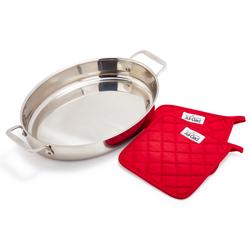
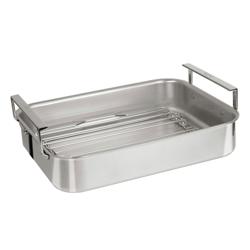
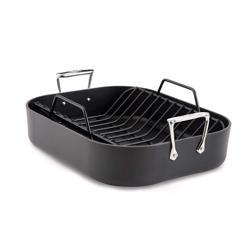
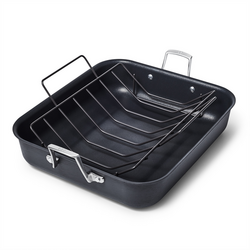
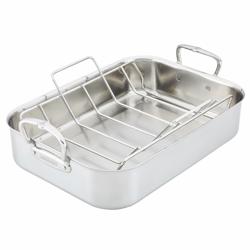
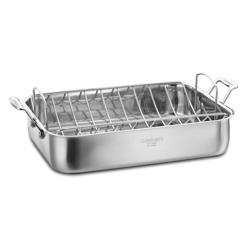
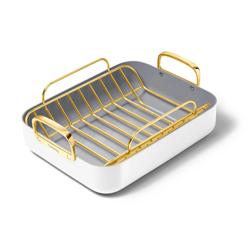
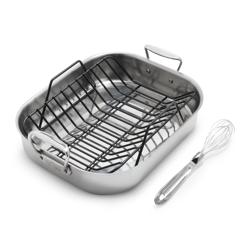
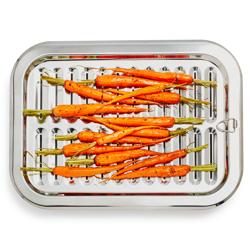
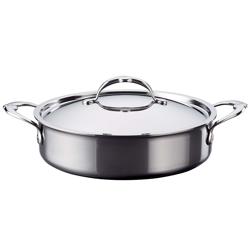
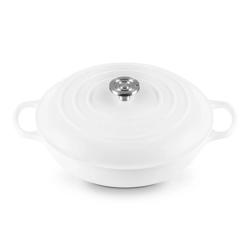
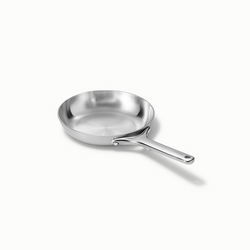
Roaster cookware gifts for Valentine’s Day are practical, personal choices for cooks who enjoy making meals to share. Stainless steel, enameled cast iron and ceramic roasters offer different benefits for roasting and serving, while red or pink finishes can add a festive touch. A well-chosen roaster reflects the way someone likes to cook, whether that means preparing a carefully planned dinner for two or gathering friends around a generous meal. Picture a golden roast chicken surrounded by shallots, a tray of caramelized carrots or tender vegetables brought straight from the oven to the table. The cookware becomes part of the occasion without being reserved for special occasions alone. For a partner who enjoys trying recipes, a roaster offers room to explore different ingredients and techniques. For an experienced home cook, comfortable handles, a useful shape and a finish that complements existing cookware can make the gift feel especially thoughtful. Someone setting up a shared kitchen may appreciate a versatile piece that handles both a celebratory dinner and an ordinary Sunday supper. Color and presentation matter, too, particularly when the recipient enjoys serving directly from the cooking vessel. A red exterior can complement a Valentine’s Day table, while a softer pink glaze brings a gentler accent. Neutral finishes are equally fitting for someone who prefers the food and table linens to provide the color. Heart-inspired shapes can make the connection to the holiday more playful, though usable cooking space matters more than decorative details alone. The most meaningful choice suits the recipient’s habits rather than an imagined version of their kitchen. A compact roaster for smaller meals can be just as welcome as a larger pan for entertaining, especially when it earns a regular place in the dinner routine.
The material of a roaster influences how it heats, how much it weighs and how it fits into cooking and cleanup. Stainless steel is valued for durability and its uncoated cooking surface, which can develop flavorful browned bits during roasting. Construction matters: an aluminum core or other heat-conducting layer can help distribute heat more evenly than stainless steel alone. For someone who likes making gravy from pan drippings, a stovetop-compatible roasting pan offers the convenience of finishing the sauce in the same vessel. That compatibility should be confirmed, especially for induction cooktops or pans large enough to span two burners. Enameled cast iron retains heat well and can keep food warm during serving, making it appealing for unhurried meals at the table. It is also substantial, so the weight of the cookware plus the food deserves consideration when lifting it out of the oven. Ceramic and stoneware roasters bring an inviting oven-to-table look and are often used for vegetables, baked pasta and other dishes served directly from the vessel. They generally require protection from sudden temperature changes, such as moving a hot dish onto a cold or wet surface. Nonstick interiors can make releasing food and cleaning up easier, but their oven limits and utensil requirements vary. Shape and construction are just as important as the surface. Lower, more open sides encourage exposure to oven heat, while deeper walls help contain juices and accommodate layered dishes. A rack lifts meat above the drippings and allows more airflow around it, though vegetables roasting directly in the pan can benefit from contact with those juices. A lid adds another kind of versatility: covered cooking retains moisture for braises, while uncovered roasting allows more evaporation and browning. These differences make it possible to give cookware that supports a favorite meal rather than simply adding another pan to the cabinet.
A roaster’s fit is about more than how much food it holds. Its full dimensions, including handles, need to work with the recipient’s oven, storage space and sink. Broad handles that are easy to grasp with oven mitts can make a noticeable difference when carrying a pan filled with hot food. A smaller cooking surface gives dinner for two an appropriately sized home, while a roomier pan leaves space between vegetables so they roast rather than sit crowded together in released moisture. Extra capacity is useful for entertaining, but an oversized roaster can be awkward in a compact kitchen and unnecessarily cumbersome for everyday meals. For couples who cook together, a manageable pan that moves comfortably from prep area to oven to table may be more useful than one intended mainly for a large holiday roast. Care requirements also shape how often cookware gets used. Dishwasher-safe labeling should be checked rather than assumed, and gentle hand-washing can help preserve many finishes. Letting cookware cool before cleaning, loosening cooked-on food with a suitable soak and avoiding harsh abrasives are sensible habits when consistent with the manufacturer’s instructions. Enameled and ceramic surfaces benefit from protection against knocks, while nonstick finishes call for utensils that will not scratch the coating. Racks, lids and handles may have different care or heat limits from the pan itself, so those details deserve attention as well. Within the broader selection of
Valentine’s Day cookware gifts, a roaster is especially fitting for someone who enjoys the oven-to-table part of cooking: the aroma of browning vegetables, the pause before carving and the pleasure of passing a dish around. Paired with plans to prepare a favorite meal together, it feels connected to time spent sharing food. Long after Valentine’s Day, the same cookware can return to the table for weeknight dinners, relaxed gatherings and recipes that gradually become household favorites.