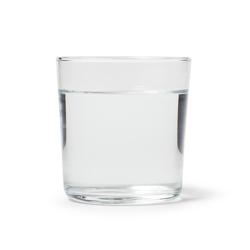
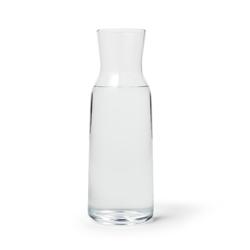
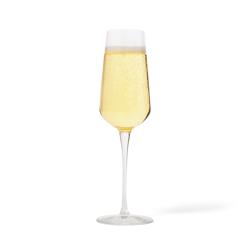
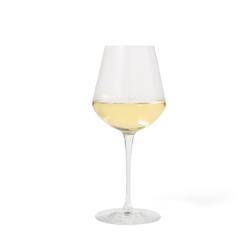
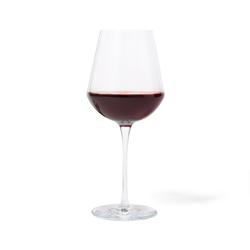
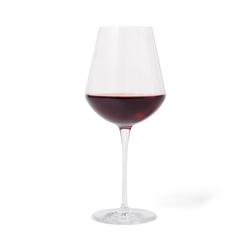
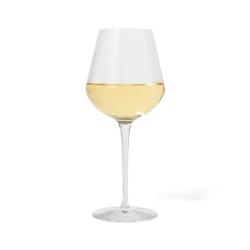
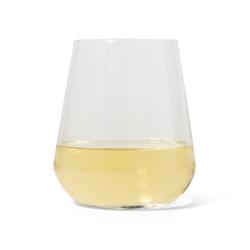
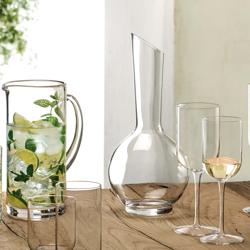
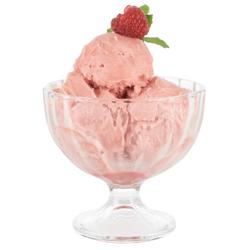
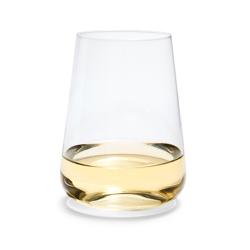
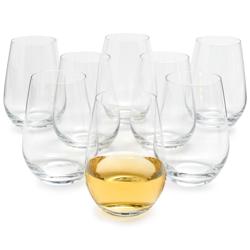
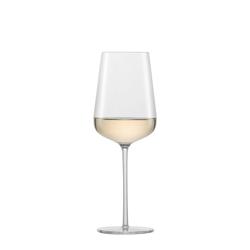
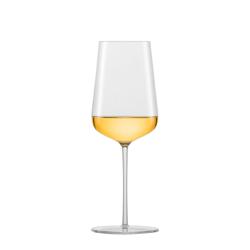
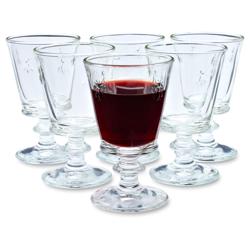
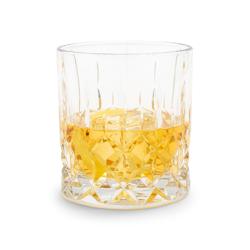
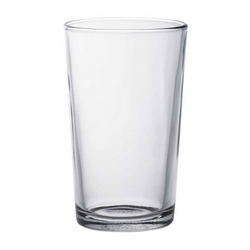
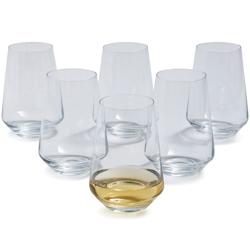
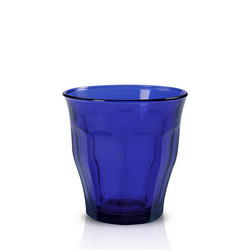
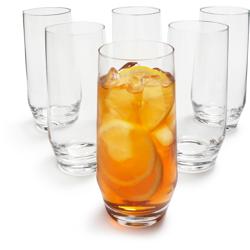
Italian-style glassware brings together practical drinking shapes and decorative details that feel at home at an everyday meal or a carefully set table. Its appeal is easy to see: clear glass shows off a sparkling drink, faceted surfaces catch the light and embossed patterns add interest without requiring elaborate place settings. A simple tumbler can hold juice at breakfast, water beside a sandwich or a small mixed drink before dinner. Taller glasses make room for ice and a garnish, while stemmed shapes lend a different feel to wine and other drinks served at the table. This flexibility makes glassware a useful part of a kitchen rather than something reserved for company. Clean-lined designs sit comfortably beside plain white dishes, patterned plates or handmade pottery. More decorative shapes can provide the detail on an otherwise understated table, with raised motifs or geometric surfaces adding dimension beside a folded napkin. Clear glass is especially easy to coordinate because it lets the colors of drinks, linens and dinnerware remain visible. Colored glass creates a more defined accent, whether repeated at each place setting or mixed with clear pieces. Material and construction matter as much as appearance. Standard glass, tempered glass and crystal are not interchangeable terms, and performance depends on the individual design. Tempering can improve resistance to certain mechanical and thermal stresses, but it does not make glass unbreakable or suitable for every use. Likewise, a thick base may provide a substantial feel without guaranteeing greater durability throughout the glass. The rim, walls and overall balance all contribute to the drinking experience. A slender rim can feel delicate against the lip, while a more substantial profile may appeal to someone who prefers a sturdy everyday glass. These small distinctions help explain why two glasses with similar capacities can feel quite different in the hand.
The most useful drinkware fits the way a household actually serves drinks. A compact tumbler can be comfortable for a modest pour of juice or milk, while a taller shape accommodates a longer drink without crowding the rim. Listed capacity describes total volume, so usable serving space is usually smaller once ice, fruit or room for carrying is taken into account. A glass filled to the very top may hold the stated amount, but it is less convenient to move from the kitchen to the table. Height and diameter also affect how a glass fits beneath a refrigerator dispenser, inside a cabinet or along a dishwasher rack. Wide bases need enough shelf space to sit flat, and taller stems need clearance overhead. Stackable designs can make compact kitchens easier to organize, though stacking should be limited to glassware specifically intended for it. Comfort deserves the same attention as storage. A glass that feels balanced when empty may feel noticeably heavier when filled, and a broad shape may be less comfortable for smaller hands. Surface texture changes the tactile experience, too, giving an embossed or faceted glass a different feel from a smooth-sided one. At the table, coordinated drinkware creates a consistent setting without making every glass serve the same purpose. A lower water glass beside taller stemware leaves room for both drinks and keeps the arrangement from feeling crowded. For casual meals, one versatile tumbler shape can move easily between water, iced tea and alcohol-free mixed drinks. For people who enjoy entertaining, a few complementary shapes offer flexibility without requiring a separate glass for every recipe. Matching pieces make repeated place settings feel intentional, while a shared detail, such as a similar silhouette or surface pattern, can tie different shapes together. The result can feel considered without becoming formal, whether the table is set for a quiet dinner for two or a larger gathering with serving dishes passed around.
Good care helps preserve both the appearance and usefulness of glassware over time. Dishwasher-safe labeling applies to the particular glass, not to an entire style or material category, so the care instructions remain the best starting point. Even dishwasher-safe pieces benefit from enough space to avoid knocking against neighboring glasses or utensils during a cycle. Pieces with decorative finishes may need different treatment from undecorated clear glass. For hand-washing, mild dish soap, a soft sponge and thorough rinsing help remove drink residue without abrasive scrubbing. A soft, lint-free cloth can clear away water marks, while careful drying around rims and stems reduces unnecessary pressure on narrower areas. Sudden temperature changes can damage glass, so a drinking glass should not be treated as a vessel for boiling liquids unless it is specifically designed for that purpose. Chips and cracks are also more than cosmetic concerns; damaged drinkware should be taken out of use. Storage works best when glasses have stable support and enough space that rims are not pressed together. These everyday considerations are especially helpful when choosing glassware as a gift. For a first apartment or a housewarming, versatile drinking shapes can become part of daily routines, from a quick breakfast to dinner with friends. Wedding gifts may suit a couple’s preferred table style, while a gift for a frequent host can reflect the drinks they enjoy serving and the storage space they have. Decorative glassware can also be a thoughtful choice for someone who already has the basics but enjoys setting a distinctive table. For more ways to bring shape, texture and personality to a place setting, explore
Unique Glassware. Whether the preference is for understated clarity or a more expressive pattern, the strongest choices balance visual appeal with comfortable handling, practical care and a clear place in everyday life.