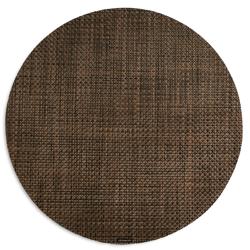
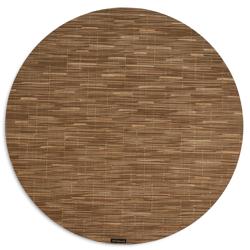
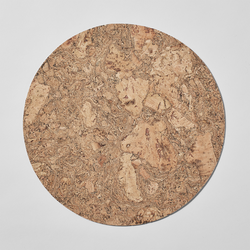
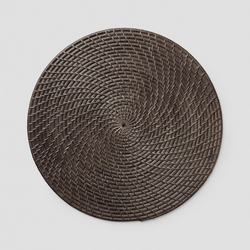
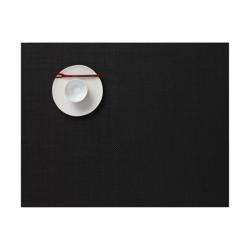
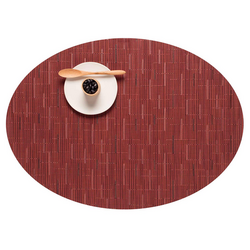
Round brown placemats bring warm, earthy color to the table while defining a comfortable place for each guest. Their circular shape frames dinner plates without the strong corners of rectangular mats, creating a relaxed look that works with everyday dishes and more dressed-up place settings. Brown is especially versatile: lighter shades can pick up the grain in a wood table, while deeper cocoa and espresso tones create contrast beneath white porcelain or cream-colored stoneware. A textured surface adds interest without needing a busy pattern, leaving room for colorful napkins, patterned salad plates or a simple vase of flowers. On a round table, circular placemats echo the tabletop’s shape; on a rectangular table, they introduce softer lines between the straight edges. Fit matters as much as color. A placemat measuring 15 inches in diameter leaves about 2 inches of visible material around an 11-inch dinner plate, creating a clear border without overwhelming the setting. That measurement does not necessarily leave room for flatware and a drinking glass, so consider the full arrangement rather than the plate alone. Smaller tables may work best with utensils beside the mat and glasses just above it, while a wider table allows more breathing room between settings. The goal is a surface that feels welcoming rather than crowded, with enough space to lift a glass or pass a serving bowl comfortably. Brown also works well as a bridge between different finishes, helping pale dishes feel at home beside dark wood chairs or brushed metal flatware. For a closely related look,
Natural Brown Placemats offer another way to bring an earthy palette into a table setting. Whether the overall style is simple and modern or layered with handmade pottery, the combination of a rounded outline and grounded color gives each setting a distinct place without making the table feel overly formal.
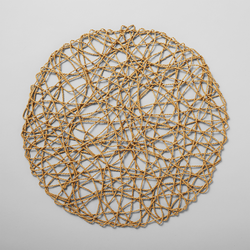
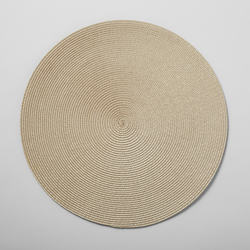
Material determines much of a placemat’s texture, flexibility and care routine. Woven natural fibers such as rattan and seagrass often have visible variations in tone and thickness, giving the surface a more organic character. A tight weave can create a relatively even foundation, while a chunkier construction brings more pronounced texture beneath a plate. These differences are worth considering with smaller dishes and stemmed glasses, which need steady support. Cotton and linen placemats generally offer a softer, more flexible feel, though their laundering needs and tendency to wrinkle depend on the fabric and construction. Synthetic materials such as polypropylene, polyester and vinyl can provide practical alternatives when easy cleanup is a priority, but the fiber name alone does not establish whether a mat is washable, stain resistant or suitable for outdoor dining. Check the care instructions for the particular construction, especially when a mat combines fibers, backing or decorative trim. For frequent family meals, a surface that releases crumbs easily and tolerates the recommended cleaning routine can be more useful than elaborate detailing. Open weaves may allow small crumbs and liquids to reach the table, so a placemat should not be treated as a spillproof barrier unless it is specifically designed for that purpose. Many natural-fiber mats call for gentle spot cleaning rather than soaking, while some fabric versions can be laundered according to their labels. Prompt attention to tomato sauce, coffee or oily dressing helps keep a small spill from becoming a lasting mark, though brown coloring does not make a material stainproof. Durability also depends on secure edges, a stable weave and appropriate handling. A well-finished border helps a mat hold its shape through repeated use, and a flat surface keeps plates from rocking. Heat protection varies by material, so dinner placemats should not take the place of trivets beneath hot cookware or baking dishes. Choosing a construction that suits the way the table is used makes its care easier to maintain over time.
For everyday meals, round brown placemats can give a bowl of pasta or a sandwich and salad the same sense of place as a carefully planned dinner. Their neutral color makes it easy to change the mood with smaller details: ivory napkins keep the setting quiet, muted blue adds gentle contrast and green glassware draws out the earthy character of a woven surface. A brown mat beneath a white plate also creates a clear visual frame, useful when the rest of the table is intentionally spare. For shared meals, leave the center open for serving dishes rather than allowing placemats to overlap. On a compact breakfast table, a modest border around the plate may be all the texture the setting needs. At a larger dining table, repeating the same round shape at each seat creates a cohesive arrangement even when the dishes are mixed. Consider how the mats will be handled between meals, too. Flexible designs may be easier to tuck into a shallow drawer, while more structured woven mats generally benefit from flat storage that protects their edges. Let cleaned mats dry completely before stacking them, and avoid folding a rigid weave that could crack or lose its shape. If a mat has a textured underside, check that it is suitable for the table’s finish and keep both surfaces free of grit. For a housewarming or wedding gift, a coordinated group of placemats can be a thoughtful choice for someone who enjoys setting the table but prefers useful pieces over elaborate décor. Match the number to the recipient’s usual seating arrangement, with additional settings if they often host. The most useful choice is not necessarily the most decorative one; it is the combination of an appealing brown tone, a comfortable fit and care requirements that suit the household. Those details help round brown placemats become a natural part of meals, whether the table is set for one or filled with company.