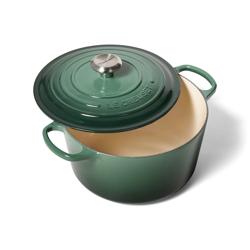
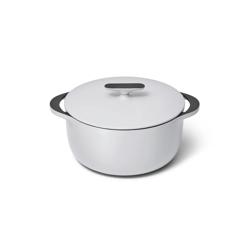
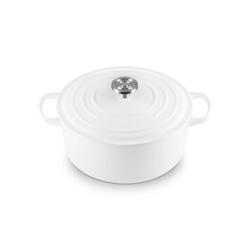
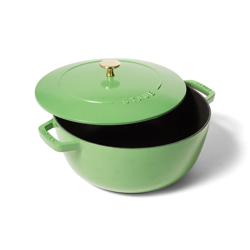
Round pots are kitchen cookware with circular bases and curved walls, used for everything from boiling pasta and simmering soup to braising meat and cooking grains. Their familiar shape fits naturally over round stovetop burners and makes it easy to stir along the sides without working ingredients out of corners. Within that simple silhouette, depth, width and construction make a meaningful difference in how a pot cooks. A tall, deep pot gives broth, noodles and leafy greens room to move, while a wider, shallower shape provides more surface area for browning chicken or letting a sauce reduce. Straight sides help contain generous batches of chili, and gently sloping walls can make stirring thick oatmeal or folding greens into beans more comfortable. For everyday cooking, the most useful capacity depends as much on the recipe as on the number of people at the table. A small pot suits reheating soup for lunch or preparing rice for two; a larger vessel leaves room for a family dinner, leftovers or a batch of stock made from saved vegetable trimmings. Extra space above the ingredients matters, especially when pasta water foams or a stew needs a thorough stir. During the cooler months, round pots often stay busy with lentils, squash soup and slow-cooked suppers, but their usefulness carries through every season. They can be equally at home blanching green beans, poaching fruit or warming a simple tomato sauce. A well-fitting lid adds flexibility by helping hold in moisture for gentle simmering, while cooking uncovered encourages evaporation when a broth or sauce needs concentrating. At Sur La Table, round pots belong to the everyday essentials that support both quick meals and longer cooking projects. The right shape and proportions make familiar tasks feel more manageable, whether dinner starts with a handful of pantry staples or vegetables chopped for an afternoon of cooking.
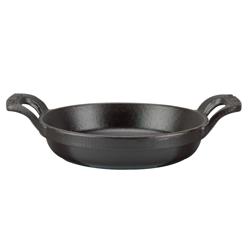
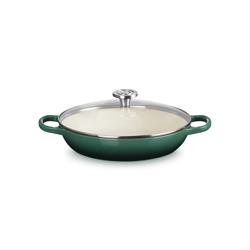
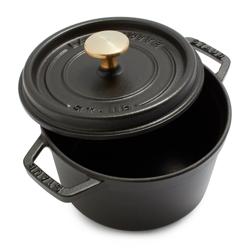
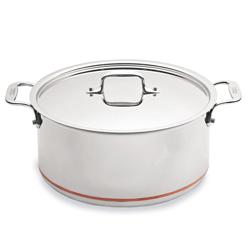
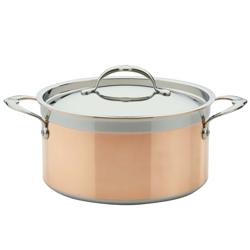
Material gives each round pot much of its cooking character. Stainless steel is a durable, versatile choice for cooks who regularly move between boiling, simmering and browning. Because stainless steel alone does not conduct heat especially well, cookware with an aluminum or copper core, or a heat-conducting base, helps distribute warmth more evenly. That construction is particularly useful for milk-based sauces and thick soups, where concentrated heat can cause scorching. Enameled cast iron takes longer to warm up but holds heat well, making it well suited to slow braises, tender beans and dishes that benefit from a steady simmer. Its enamel surface does not require seasoning, though the pot’s weight deserves consideration, especially once it is full. Bare cast iron also retains heat well and can develop a seasoned cooking surface with proper care, but it needs prompt drying and attention to its protective seasoning. Nonstick interiors offer easier food release for sticky grains or delicate preparations, with care requirements and heat limits that vary by coating. Ceramic and stoneware cooking vessels have their own appeal for oven dishes, but they should never be assumed suitable for a stovetop unless the manufacturer specifies that use. Across materials, burner fit is important: a base that sits securely and matches the heating area reasonably well is easier to heat effectively than one that extends far beyond it. Induction cooking requires a compatible magnetic base, and oven use depends on the limits of the entire pot, including its handles, lid and knob. Comfortable handles with enough clearance for oven mitts can matter as much as the interior finish when lifting a bubbling stew. A snug lid is useful for retaining moisture, while a glass lid allows a look inside without releasing steam, although condensation may obscure the view. For a restrained look that works with many kitchen styles,
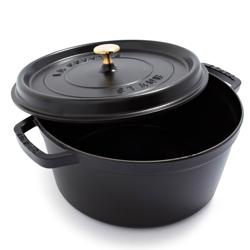
round black pots offer a neutral finish that pairs easily with colorful linens, wood serving pieces and simple white dishes. Color shapes the presentation, while material and construction determine cooking performance.
A round pot earns its place in the kitchen through repeated use, so practical details are worth considering alongside appearance. The footprint needs to work not only on the stove but also on an oven rack, in the sink and wherever the pot will be stored. A broad vessel may be excellent for arranging short ribs in a single layer yet awkward in a narrow cabinet; a tall pot may hold plenty of broth but need extra clearance beneath a faucet. Weight is another everyday consideration. Cooks who prefer lighter cookware may find a stainless steel or aluminum-bodied pot easier to lift and wash than a similarly sized cast iron vessel. Anyone cooking large batches benefits from secure handles and a manageable filled weight, rather than capacity alone. Care also plays a part in long-term durability. Letting cookware cool before washing helps avoid sudden temperature changes, and a soak in warm, soapy water can loosen cooked-on food without aggressive scrubbing. Nonabrasive cleaning tools help protect enamel and coated interiors, while wood or silicone utensils are often a good match for surfaces vulnerable to scratches. Dishwasher suitability varies, so the manufacturer’s directions should determine whether machine washing is appropriate. Bare cast iron generally needs hand-washing, thorough drying and a light application of oil as needed to maintain its seasoning. Even sturdy cookware benefits from thoughtful storage: placing a soft protector between stacked pieces helps keep rims and interiors from rubbing against each other. These details make round pots a practical gift for someone setting up a first kitchen, sharing a new home or making more meals from scratch. A frequent soup maker may appreciate generous depth, while a cook who loves braised vegetables may get more use from a wide base and an oven-safe design. For someone with limited storage, a versatile pot that handles several familiar recipes can be more useful than a specialized shape. From the first sizzle of onions to the last ladle of broth, a thoughtfully chosen round pot supports the kind of cooking that brings people back to the table.