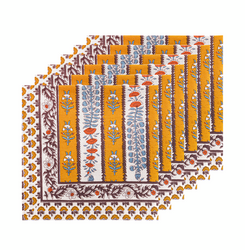
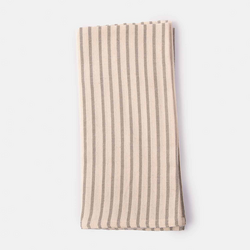
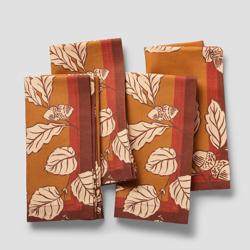
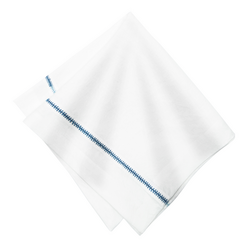
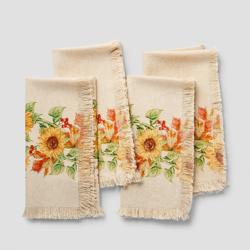
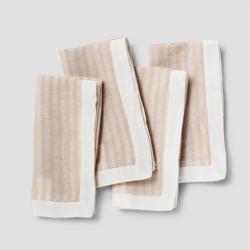
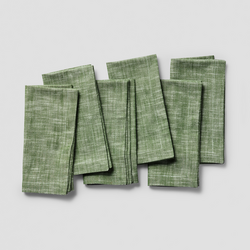
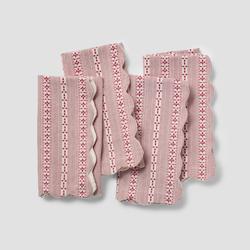
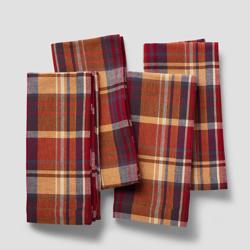
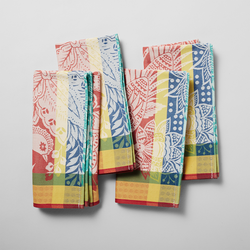
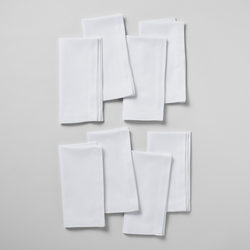
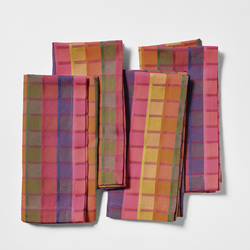
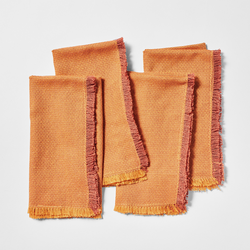
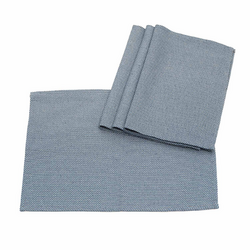
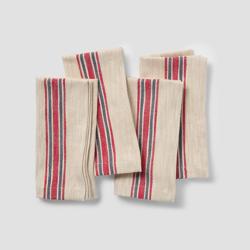
Rustic napkins bring an easy, welcoming character to the table. Their appeal comes from natural-looking materials, relaxed textures and earthy colors that feel at home with wood, stoneware, handmade ceramics and other pieces with a sense of warmth. Linen and cotton are especially popular choices because they are absorbent, durable and comfortable to use, while cotton-linen blends offer a balanced feel that is both sturdy and soft. A slightly uneven weave, stonewashed finish or gently frayed edge can add to the handcrafted look without making the napkins feel overly formal. Colors such as oatmeal, flax, sand, taupe, clay, muted green and soft gray work naturally with rustic settings, but deeper shades can create a handsome contrast against lighter dinnerware. Rustic napkins are not limited to farmhouse tables or country kitchens. They can make a casual weeknight meal feel more thoughtful, add texture to a dinner party or soften a more modern setting with an organic touch. Fold them simply beside each place setting, tuck them beneath flatware or tie them with natural twine for a relaxed presentation. For a table that feels layered without looking overstyled, pair rustic napkins with
Rustic Woven Placemat Sets and let the variation in weave and texture do the decorating.
When choosing rustic napkins, consider how they will be used as much as how they look. For everyday dining, look for fabric that can handle frequent washing and regular use. Linen becomes softer over time and is known for its absorbency, breathability and long-lasting fibers. It also has a natural tendency to crease, which is part of its relaxed appeal. If you prefer a smoother appearance, a light pressing will create a neater finish, but rustic napkins look equally inviting with a few natural folds left in place. Cotton is soft, familiar and easy to care for, making it a practical option for busy households, family meals and entertaining with children. Blended fabrics can provide some of the texture and drape of linen with the approachable feel of cotton. Pay attention to the napkin dimensions, too. A smaller size may suit breakfast, lunch or informal gatherings, while a larger napkin offers more coverage and a fuller look at dinner. Color is another useful consideration. Light neutrals pair easily with seasonal centerpieces and colorful dishes, while warm terracotta, olive, charcoal or natural brown can anchor a table with richer contrast. If the napkins have fringe or frayed edges, check the care instructions and allow enough room for the finish to look intentional rather than crowded. Before setting the table, wash new cloth napkins according to the manufacturer’s directions. Natural fibers may soften, relax or change slightly after washing, and allowing them to dry fully helps preserve their shape and texture. Shake them out promptly after laundering, fold them while still smooth or leave them loosely stacked for a casual, ready-to-use look.
Rustic napkins are versatile enough for everyday meals yet distinctive enough to give special gatherings a personal sense of place. During the cooler months, their natural texture looks especially inviting with hearty dishes, candlelight and warm wood tones, whether the table is set for a quiet supper or a larger gathering with friends and family. They also suit outdoor meals, harvest-inspired celebrations, casual receptions and intimate events where the goal is to create a comfortable atmosphere rather than a perfectly matched display. For a more polished arrangement, fold each napkin into a rectangle and place it beneath the flatware. For a looser farmhouse feel, roll the napkin and secure it with a simple ring, a length of ribbon or a small seasonal accent. A folded napkin can also rest on the plate to introduce color before the meal begins. Since fabric napkins can be washed and used again, they are a thoughtful choice for households looking to reduce reliance on disposable table linens while adding beauty to ordinary routines. They also make a useful gift for someone setting up a first home, refreshing a dining area or learning to host with confidence. Consider giving them as part of a larger table-setting collection, or choose a versatile neutral that can work with the recipient’s existing dinnerware. With use, well-made rustic napkins often become more comfortable and expressive, carrying the small signs of shared meals and familiar gatherings. A little rumpling, a softened hem and the occasional visible crease all contribute to the unfussy character that makes rustic style feel warm, practical and genuinely lived in.