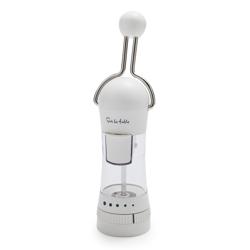
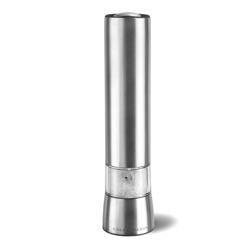
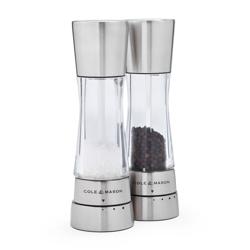
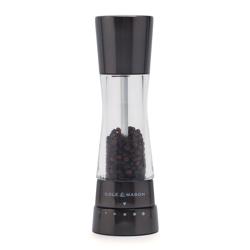
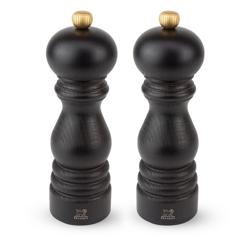
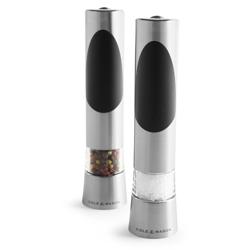
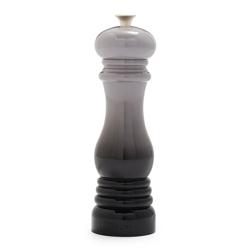
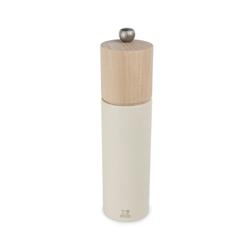
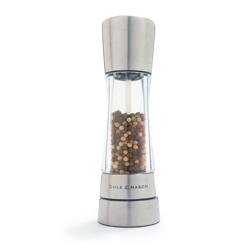
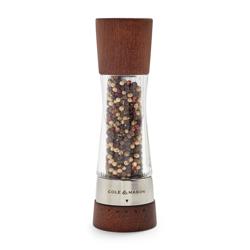
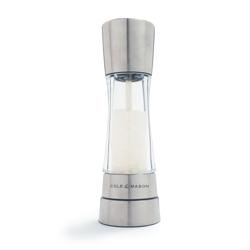
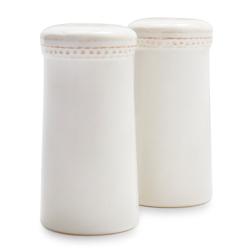
Salt and pepper dispensers keep everyday seasonings close at hand, whether you’re finishing scrambled eggs at breakfast or passing pepper around a crowded dinner table. The main types are traditional shakers for pre-ground seasonings, manual mills that grind salt crystals or whole peppercorns and electric grinders that operate with a button or, in gravity-activated designs, a tilt. Each serves a slightly different purpose. Salt and pepper shakers dispense seasoning through openings in the lid, making them a familiar, straightforward choice for the table. Their performance depends partly on the size of those openings: fine table salt flows differently from larger crystals, while finely ground pepper needs a different opening size than coarse pepper. Manual salt and pepper mills grind as you turn them, releasing the aroma of peppercorns just before the seasoning reaches your food. Many have adjustable settings for a finer grind that blends into mashed potatoes or a coarser texture for roasted vegetables and seared steak. Electric salt and pepper grinders can make one-handed seasoning more convenient, particularly when the other hand is stirring a pot or holding a serving dish. Button placement, weight and activation style matter as much as appearance, especially for someone who finds repeated twisting uncomfortable. For any mill, the seasoning must suit the grinding mechanism. A pepper mill is not automatically suitable for salt, which can corrode metal components that were not designed for it. Likewise, damp salts, large crystals and seasoning blends may not work in a mill intended for dry salt of a particular size. Matching the dispenser to the seasoning helps it work reliably and makes the amount easier to control. For cooks who use both pre-ground pepper and whole peppercorns, shakers and mills can comfortably serve different roles in the same kitchen: one for quick, familiar seasoning and another for freshly ground flavor.
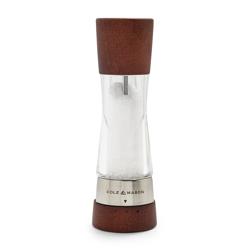
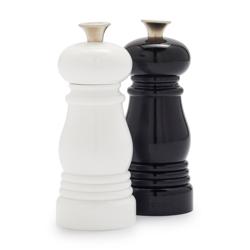
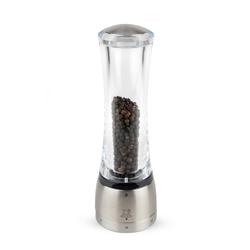
Materials give salt and pepper dispensers much of their character, but they also influence how the pieces feel, wear and fit into everyday routines. Glass makes the contents visible, so it’s easy to distinguish salt from pepper and notice when a refill is needed before everyone sits down. Its reassuring weight can feel steady on the table, though it needs protection from drops and knocks against a stone countertop. Clear acrylic offers similar visibility with less weight, making it worth considering for pieces that move frequently between the kitchen, dining room and covered patio. It can scratch, so gentle cleaning helps preserve its appearance. Ceramic brings color and a substantial feel to a place setting, with glazed surfaces that are generally easy to wipe clean; rims and edges still deserve care to avoid chips. Wood adds warmth beside linen napkins, woven placemats and everyday dinnerware, and variations in grain give each piece its own look. It is best kept out of soaking water and away from prolonged moisture. Stainless steel offers a clean-lined appearance and a durable exterior, although resistance to fingerprints depends on the finish rather than the material alone. The outer body and internal grinder are separate considerations: a stainless steel exterior does not necessarily mean the grinding mechanism is made from the same material. For a lighter tabletop palette,
White Salt And Pepper Mills pair naturally with white dishes, patterned plates or warm wood serving pieces without adding another strong color. Beyond the finish, proportions deserve attention. A tall mill may feel comfortable beside the stove but dominate a small breakfast table or fail to fit beneath a cabinet shelf. Compact dispensers leave room for glasses and serving bowls, while larger chambers can reduce refilling in households that cook often. A stable base, an easy-to-grip shape and clear identification help make a dispenser pleasant to use, especially when it’s being passed between guests.
The best fit for everyday use often comes down to small practical details that become noticeable over time. A refill opening wide enough to accept seasoning without scattering it across the counter is useful, as is a lid or stopper that closes securely and remains manageable to remove. On a manual mill, a comfortable turning action and an adjustment control that stays where it is set can make seasoning more consistent. Electric designs bring their own considerations, including battery replacement or charging, the ease of accessing the seasoning chamber and whether the activation method suits the person using it. A dispenser for a busy cooking area also needs a sensible place to rest. Keeping it away from a steaming pot or a splashing sink helps prevent moisture from reaching the contents; grinding into a small dish before adding seasoning to a simmering soup is one way to avoid holding a mill directly over steam. Care should follow the manufacturer’s directions, since removable shaker parts may have different cleaning requirements from an assembled mill. A body that looks washable may contain wood, metal components or electronics that should never be submerged. When washing is permitted, letting every part dry completely before refilling helps prevent clumping. Gentle handling, appropriate seasonings and routine cleaning all support lasting performance. These considerations also make salt and pepper dispensers thoughtful gifts for a first apartment, a wedding or a host who enjoys gathering people around the table. Someone who cooks most nights may appreciate a generous capacity and an easy grip, while a frequent host may value a coordinated pair that looks at home beside serving platters. During the cooler months, when roasted vegetables, bubbling casseroles and long dinners bring seasoning to the table, dispensers earn their place through regular use. Whether they stay beside the cooktop or move from a weekday lunch to a celebratory meal, well-chosen shakers and mills combine useful function with a finishing touch that feels at home in the kitchen.