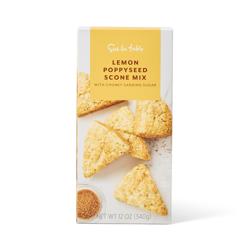
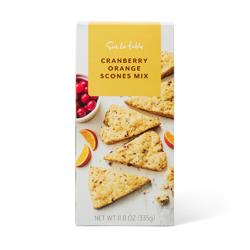
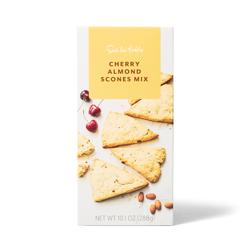
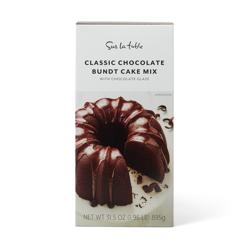
Scone mixes for afternoon tea bring the pleasure of fresh baking to a table set for conversation, a good pot of tea and something worth lingering over. A well-made scone has a tender interior and a lightly golden exterior, with enough structure to split and spread without falling apart at the first touch. Mixes offer a convenient starting point by combining dry ingredients in measured proportions, leaving fewer ingredients to gather before baking. They suit an informal catch-up with a friend just as comfortably as a tea table arranged with cups, small plates and cloth napkins. The appeal is not simply saving time; a mix can also make it easier to bake a manageable batch without keeping several separate baking ingredients on hand. Flavor plays an important part in how a scone fits the occasion. A lightly sweet base leaves room for fruit preserves, thick cream or lemon curd, while a more pronounced fruit or spice flavor can be satisfying with little more than butter. Savory styles offer a different direction, especially when tea includes small sandwiches or other bites rather than an entirely sweet spread. The balance matters more than the number of accompaniments: a flavorful scone, a complementary topping and a favorite tea can make a complete afternoon treat. Black tea provides a familiar pairing, while floral blends and herbal infusions offer other ways to complement the flavors on the plate. Texture is worth considering, too. Some scone styles lean crumbly and biscuit-like; others have a softer crumb or a richer finish. The ingredients and preparation method help shape that result, so the package description and directions are useful when choosing a mix that matches your idea of a good scone. Whether afternoon tea means a carefully set table or two mugs at the kitchen counter, the right mix should fit the way you like to bake and serve.
Choosing a scone mix also means looking beyond the flavor name to understand what is included and what needs to be added. Depending on the recipe, a mix may call for butter, cream, milk, eggs or water, and those additions affect both the shopping list and the finished texture. A dough made with cold butter behaves differently from one stirred together with cream, so following the directions for the chosen mix is more reliable than treating all mixes alike. The ingredient label is especially helpful when baking for guests. Wheat, milk, eggs and nuts may be present in a mix or introduced through the required additions, and dietary claims should be checked on the packaging rather than assumed from a flavor description. For guests with food allergies, manufacturing and cross-contact information matter alongside the ingredient list. Yield is another practical consideration. A batch intended for several generous wedges may serve differently from one shaped into smaller rounds for a tiered stand, and changing the size can change the baking time. For a tea with several sweet and savory choices, smaller portions can leave room to enjoy a little of everything. The equipment used should suit the preparation instructions and the shape you prefer. A flat baking sheet gives hand-shaped rounds or wedges room to bake, while a divided scone pan creates more defined portions. Light-colored metal generally encourages more even, moderate browning than a dark surface, which can brown the bottoms faster. Parchment can help with release and cleanup when appropriate for the pan and recipe. These details need not turn afternoon tea into a baking project. They simply help match the mix to the equipment, ingredients and time already available in your kitchen. For an occasional baker, clear directions and a short list of additions may be the deciding factors. For someone who enjoys baking regularly, the attraction may be a dependable base that leaves more attention for shaping, serving and choosing what goes alongside it.
Scone mixes also make thoughtful gifts for people who enjoy the ritual of tea but do not necessarily want to bake entirely from scratch. A mix paired with tea, preserves or a useful kitchen towel gives the recipient the makings of an afternoon break without requiring a large baking setup. It can be a considerate host gift, a thank-you for a neighbor or a small treat for someone settling into a new home. The best choice reflects the recipient’s habits: a straightforward flavor for someone who loves a generous spoonful of jam, a richer style for someone who prefers a scone served plain or a savory option for someone whose tea table rarely centers on sweets. Package yield and required additions are worth checking before gifting, particularly for a person baking for one or two. Storage matters as much as presentation. Dry mixes generally need a cool, dry place, with the package kept sealed to protect the ingredients from moisture and surrounding odors. The best-by date and storage directions provide a better reference for freshness than assuming every baking mix keeps for the same length of time. Once opened, secure closure helps preserve quality, though any package-specific instructions should take priority. Finished scones are often most appealing soon after baking, when the edges still have a little crispness and the crumb is tender. For baking ahead, follow the package guidance on storing, freezing or reheating rather than assuming every dough or baked batch behaves the same way. When the occasion calls for more than a plate of scones, Afternoon Tea Baking & Hosting Essentials can help bring the rest of the table together through
Afternoon Tea Baking & Hosting Essentials. A comfortable tea gathering does not depend on an elaborate spread. Freshly baked scones, toppings served within easy reach and enough space to set down a cup let the food and conversation share the table.