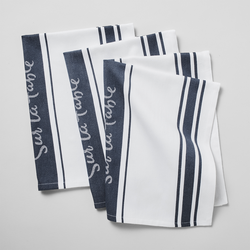
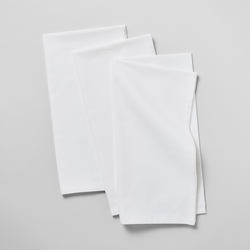
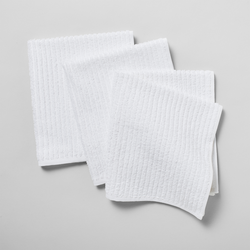
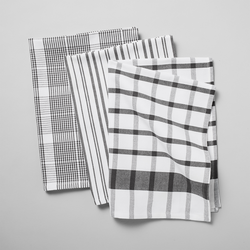
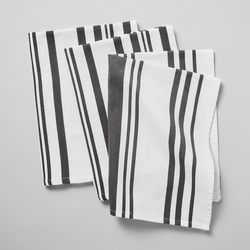
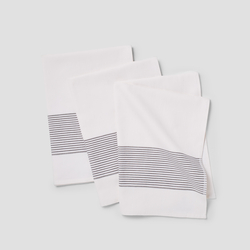
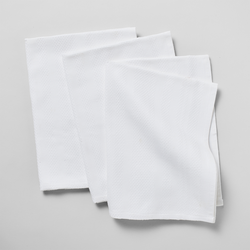
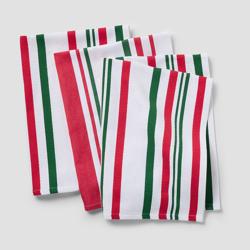
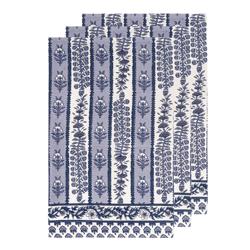
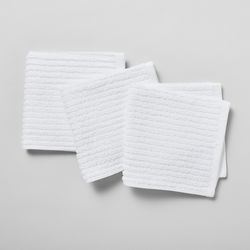
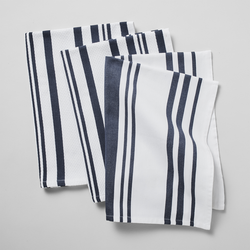
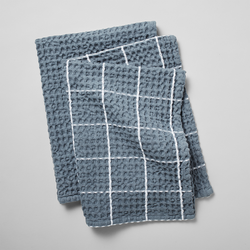
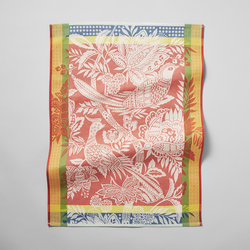
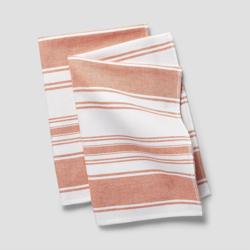
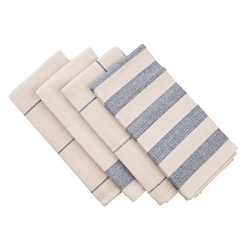
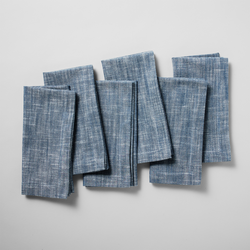
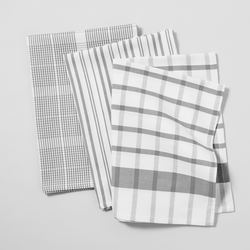
A set of three towels brings a practical rotation to everyday kitchen tasks, with a clean cloth ready for drying dishes, wiping hands or tending to small spills. Unlike a bathroom towel set, which commonly pairs a bath towel with a hand towel and washcloth, a kitchen towel set generally groups three towels intended for cooking and cleanup. The pieces may share a size and fabric or combine coordinating colors, patterns and textures, so checking the set contents helps clarify what each towel is designed to do. Having three makes it easier to separate jobs: one can stay near the sink for clean hands, another can handle freshly washed plates and a third can remain folded in a drawer until needed. That distinction is especially useful when dinner preparation leaves a trail of damp mixing bowls, rinsed produce and splashes around the faucet. Kitchen towels also spend plenty of time in plain sight, making their appearance part of the room rather than something reserved for a linen closet. Stripes can bring a little structure to an open shelf, woven checks lend a relaxed feel and solid colors sit comfortably alongside patterned dishes or a busy backsplash. Coordinated towels do not need to look identical to feel like a set; a shared color can tie different designs together without making the kitchen feel overly matched. Consider how the towels will hang, too. A generously sized cloth offers plenty of surface for drying a stack of dinner plates, while a smaller towel may fit more neatly on a short rail or beside a compact sink. Check the listed dimensions rather than relying on photographs alone, particularly if a towel will hang near the floor or an appliance door. For a small kitchen, shared apartment or busy family household, a set of three offers a manageable way to keep useful linens close without crowding a drawer.
Material and weave determine much of how a kitchen towel feels and performs. Cotton is a familiar choice because it is absorbent, comfortable against the hands and generally suited to regular laundering, though the fabric construction matters as much as the fiber name. Cotton terry has raised loops that provide surface area for picking up moisture, making it useful for hand drying and wet dishes. Those loops can also catch on rough edges, so a smooth weave may be a better match for delicate stemware or utensils with narrow openings. Flat-woven cotton tends to feel lighter and fold into a slimmer stack, while flour sack cloth is typically thin, flexible and useful for tasks that call for a soft, relatively low-lint towel. A waffle weave adds texture without necessarily creating the bulk of terry, although thickness and absorbency vary from towel to towel. Linen and cotton-linen blends offer another option for drying dishes and polishing glassware; their character often becomes softer with washing, and a lightly wrinkled finish is part of their appeal. Rather than assuming the thickest towel will work best, think about the rhythm of the kitchen. A plush cloth can feel pleasant after washing hands, but a lighter one may dry more readily between uses when spread out with good airflow. For wineglasses, a smooth, low-lint weave helps avoid leaving visible fibers on the bowl. For a pile of breakfast dishes, absorbency and enough fabric to turn to a dry section may matter more. Some food-preparation tasks, such as covering rising dough, call for a freshly laundered towel that has not been used for hands or surfaces; choose a fabric suitable for the task and avoid towels carrying detergent fragrance or residue. Look at construction details as well. Even stitching, secure hems and a hanging loop can make daily handling easier, though no single feature guarantees durability. A well-chosen set balances comfortable handling, useful dimensions and a weave that suits the jobs it will actually do.
Care is what keeps kitchen towels ready for their next round of work. Follow the care label for washing temperature, drying method and any limits on bleach, since fibers, dyes and decorative details can require different treatment. Washing before first use can help remove manufacturing finishes, and it gives a clearer sense of the towel’s absorbency and feel. Fabric softener can leave a coating that interferes with moisture pickup, so skipping it is often helpful for working kitchen linens. Use the recommended amount of detergent and allow towels to dry fully before folding them away; a damp cloth tucked into a tight stack has little chance to air out. Between uses, spread towels on a rail or hook rather than leaving them crumpled by the sink. Replace a towel with a clean one when it becomes soiled or stays damp, and keep cloths used around raw meat separate from those used for clean dishes and hands. A set of three supports that rotation, although a household that cooks frequently may need additional towels between laundry loads. Towels are not substitutes for oven mitts or potholders, especially when damp, because moisture transfers heat quickly. With those everyday habits in place, a coordinated set can be both hardworking and thoughtful to give. It suits someone settling into a first apartment, a friend who enjoys baking or a host who prefers something useful to another decorative object. Choose colors that feel at home in the recipient’s kitchen and favor straightforward care if the towels are likely to see daily use. For more coordinated gifting ideas, explore
Gift Set Towels, keeping the recipient’s cooking habits and preferred textures in mind. During the cooler months, when simmering soups and weekend baking can mean more dishes at the sink, fresh towels are particularly welcome. Whether folded beside a dish rack or hung within reach of the handwashing area, the right set earns its place through small, repeated tasks: drying a favorite mug, catching a splash of water and leaving a clean plate ready for the table.