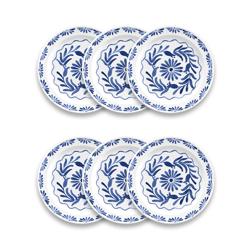
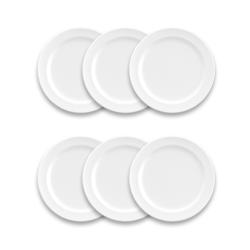
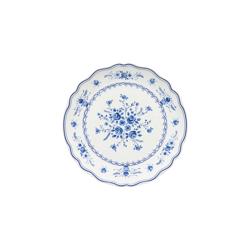
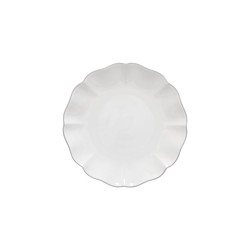
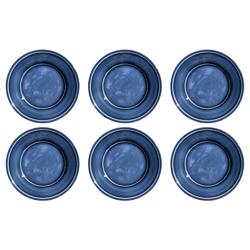
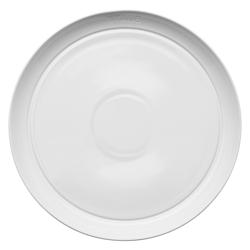
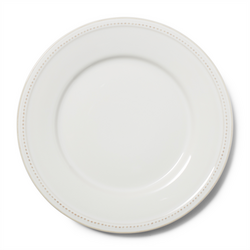
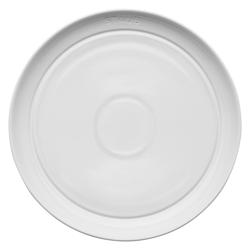
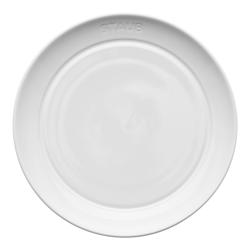
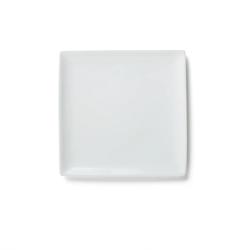
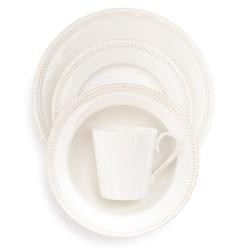
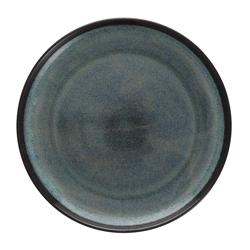
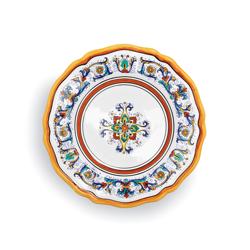
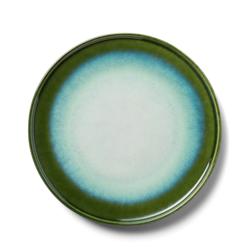
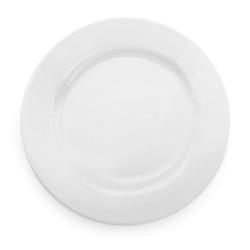
A set of six salad plates provides six matching smaller plates for salads, appetizers, desserts and light meals. Salad plates typically measure 7.5 to 9 inches in diameter, giving them a useful place between a dinner plate and a bread plate. They can hold a leafy green salad beside the main course, a sandwich at lunch or a slice of cake after dinner without taking up the space of a full-size plate. For a table set for six, a matching set gives every guest a plate for the first course. In a smaller household, those extra pieces can cover breakfast toast, afternoon snacks and meals served while other dishes are in the dishwasher. The shape matters as much as the diameter: a wide rim frames a few wedges of roasted beets or a composed tomato salad, while a narrower rim leaves more room for food. A gently raised edge helps keep dressing, crumbs and small bites on the plate, though a shallow salad plate is better suited to lightly dressed greens than a generous serving of broth or sauce. When comparing sizes, consider the usable center rather than the outside measurement alone. Two plates with the same diameter can hold quite different portions if one has a broad decorative border. Salad plates also work well for shared meals, giving each person a place for bread, cheese or a few bites from the serving platter. Their smaller footprint leaves more space for glasses, flatware and serving dishes, especially at a compact dining table. For meals served in courses, they can sit beside the dinner plate or be cleared before the main dish arrives. A coordinated set keeps the table visually consistent, but it does not have to match every other piece exactly. A simple salad plate can sit comfortably alongside patterned dinnerware, while a colorful smaller plate can bring a little contrast to an otherwise neutral place setting.
Material influences how salad plates feel in the hand, how they stack and how they stand up to everyday use. Porcelain generally has a dense, relatively low-porosity body and can offer a refined profile without feeling overly delicate. It suits everything from a weekday lunch to a carefully arranged first course, although porcelain can still chip if knocked against a sink or another dish. Stoneware often feels more substantial, with thicker edges and glazes that may range from smooth and glossy to softly textured. That extra heft can be appealing at the table, but it is worth considering when carrying a stack of six or reaching into an upper cabinet. Weight and thickness vary within both materials, so neither name alone tells the whole story. Melamine is a lightweight alternative that resists breaking better than many ceramic dishes, making it useful for casual meals or households where plates get handled frequently. It is not unbreakable, however, and it should not go in the microwave. The finish deserves attention, too. A smooth eating surface is comfortable for cutting a tender piece of food and generally straightforward to clean, while raised decoration around the rim adds texture without necessarily affecting the center. Reactive glazes and hand-applied finishes may show variations from plate to plate; that character is different from the uniform look of a solid-color set. White and cream make an easy backdrop for bright vegetables, fresh herbs and fruit, while deeper colors can give pale cheeses or a simple pastry more definition. Patterns can pick up a color already present in napkins or serving bowls without requiring an entirely matching dinnerware collection. For anyone adding salad plates to existing dishes, the rim profile and overall proportions matter alongside color. A thick, rustic plate and a thin, formal dinner plate may stack awkwardly together even when their shades are similar. A comfortable combination should feel intentional on the table and manageable in the kitchen.
Care instructions help determine whether a set fits the way a household actually eats and cleans up. A plate labeled dishwasher safe is not necessarily suitable for a microwave or oven, and decorative finishes can introduce additional restrictions. Check the manufacturer's directions for each use rather than assuming all ceramic plates tolerate the same conditions. Melamine also requires its own care routine: follow the stated dishwasher placement and cleaning instructions, and keep it out of the microwave and oven. With ceramic plates, avoiding sudden temperature changes helps reduce the risk of thermal shock. Let a plate cool before moving it into cold water, and do not use a refrigerator-cold dish to reheat food unless its instructions permit it. During dishwasher loading, leave enough room to prevent rims from knocking together and make sure the spray arms can move freely. Gentle cleaning tools are a sensible choice for preserving glazed surfaces and decorative details; abrasive pads can dull or damage some finishes. Storage is another practical consideration for a set of six. Plates with consistent shapes and stable bases tend to make a neater stack, while pronounced rims or irregular profiles may need more clearance. Check both the cabinet shelf depth and the space above the stack, particularly if the plates will share a shelf with larger dinnerware. Everyday pieces are most useful when everyone who uses them can lift and put them away comfortably. A salad plate set also makes a thoughtful housewarming or wedding gift, especially when its style works with dishes the recipient already owns. For someone building a collection, smaller plates offer flexibility without requiring a complete replacement of existing tableware. A separate
set of 4 dessert plates can complement salad plates for sweets or smaller gatherings, with the different piece counts worth considering when planning place settings. The most useful set is one whose size, weight and care requirements suit daily routines, with enough versatility to move from a quick lunch to a meal shared with guests.