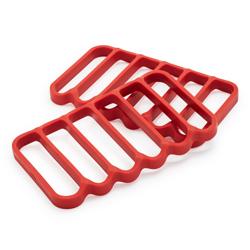
Silicone trivets for hot serving dishes create a heat-resistant layer between hot cookware and the surface beneath it, helping protect dining tables and kitchen counters from direct heat and scratches. They give a bubbling casserole, a pan of roasted vegetables or a pot of rice a designated place to rest while keeping the serving area organized. Silicone’s flexibility makes it easy to handle and tuck away, while its soft texture provides a cushion beneath ceramic, glass and metal cookware. Heat resistance depends on the particular construction, so the manufacturer’s temperature rating matters more than the material name alone. A trivet should be rated for the temperature of the dish placed on it, with any limits on contact time taken into account. Heat-resistant does not mean fireproof, and silicone trivets belong beneath cookware rather than over a burner or in direct contact with a flame. Thickness, shape and surface pattern also affect how a trivet performs. Raised ribs and honeycomb patterns can create space beneath a dish, while solid designs provide a continuous resting surface. Neither appearance nor thickness alone establishes a safe temperature limit. The combination of a suitable heat rating, adequate coverage and stable placement is what makes a trivet useful for everyday serving. For a bowl of mashed potatoes passed around the table or a baking dish carried straight from the oven, that preparation helps keep attention on the meal. Surface compatibility deserves consideration, too: wood finishes, stone, laminate and other countertop materials can have different care requirements. Following both the trivet manufacturer’s directions and the surface maker’s recommendations helps avoid assuming that one accessory makes every hot dish safe on every table. A dependable serving setup starts with protection suited to the cookware, the supporting surface and the way the meal will be served.
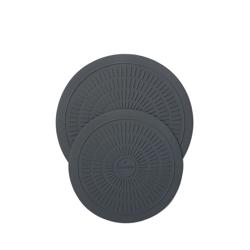
The best fit for a serving dish depends on its base, not simply the width of its rim or the span of its handles. A broad rectangular baking dish needs support beneath its contact area, while a round pot benefits from a trivet that sits evenly under its base. An undersized trivet can leave hot edges exposed or allow cookware to rock, particularly when someone scoops a firm gratin or cuts into baked pasta at the table. Larger formats can suit family-style serving pieces, while smaller shapes make sense beneath compact saucepans and individual serving dishes. For an especially long or heavy dish, a single appropriately sized trivet offers a straightforward setup without relying on separate pads that may shift apart. Textured silicone can help resist slipping, but grip still depends on clean, dry surfaces and balanced placement. A level resting spot away from the table’s edge is especially useful when serving dishes will be reached across repeatedly. Shape and color also contribute to how naturally these practical accessories fit into a table setting. Simple outlines can sit quietly beneath colorful pottery, while an open pattern or contrasting shade can add a small decorative detail between dishes. Low-profile designs leave room around platters without adding much visual bulk, though they still need the right heat rating for the job. For buffet-style meals, several designated landing spots make it easier to separate hot dishes from bread baskets, salad bowls and glasses. At a smaller kitchen table, a compact trivet can move from the counter to the dining area as the meal comes together. Flexible designs also tend to store neatly in a drawer, and those with hanging openings may suit a nearby hook when the manufacturer allows it. Practical proportions make the difference between a trivet that gets used daily and one that never quite fits the dishes coming out of the kitchen.
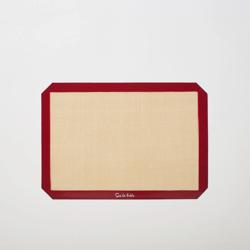
Easy care is another reason silicone works well around serving dishes, where sauce drips, crumbs and cooking oils are part of the routine. Many silicone trivets can be cleaned in the dishwasher, but care instructions vary, and warm water with mild dish soap is often suitable for routine washing. Grooves, raised patterns and openwork details deserve attention because food can collect in those spaces. Thorough drying helps keep the trivet and the surface beneath it clean, especially when it will be stored flat against other kitchen accessories. Silicone is generally nonabsorbent, although that does not make every design immune to stains or lingering odors. Prompt cleaning and avoiding abrasive tools help preserve its surface. Durability also depends on how the trivet is treated: sharp utensils, direct flame and temperatures beyond its rating can damage an otherwise useful piece. Tears, scorching or a surface that has become sticky are reasons to check the manufacturer’s replacement guidance rather than continue using it beneath heavy, hot cookware. Some designs have additional approved uses, such as providing grip for opening jars or catching drips beneath utensils, but those functions should be confirmed rather than assumed. A flat trivet is not automatically a safe substitute for an oven mitt, and a silicone work mat is not necessarily rated to hold a dish straight from the oven. Explore
Silicone Mats For Kitchen for related surfaces, keeping each design’s intended purpose in mind. For someone setting up a first kitchen, a frequent host or a cook who enjoys bringing dinner to the table in its baking dish, silicone trivets make thoughtful, practical gifts. Matching their size to familiar cookware makes the choice more personal. Used within their care and heat guidelines, they offer an uncomplicated way to make room for hot food wherever meals are served.