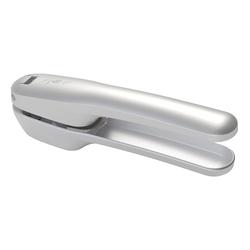
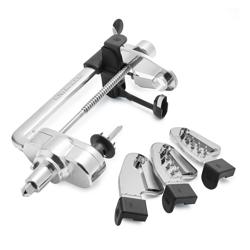
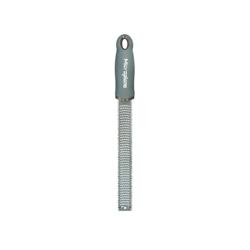
Silver colored garlic tools bring a clean, understated look to the hands-on work behind a flavorful meal. From the first clove added to a tomato sauce to the garlic folded into a lemony dressing, a dedicated tool can make small prep tasks more manageable and help produce the texture a recipe needs. Pressing, grating and slicing each give garlic a different role in a dish. Finely crushed garlic blends readily into marinades, spreads and sauces, while thin slices remain distinct in sautéed vegetables or pasta. A coarse mince adds texture to meatballs and fillings without leaving large pieces behind. The right format depends less on how often garlic appears on the menu than on how it is used. A cook who regularly makes vinaigrettes may appreciate a tool that produces a fine, even texture, while someone preparing generous batches of sauce may place more value on capacity and comfortable leverage. Garlic presses, rocking tools and graters also involve different hand movements, so a familiar grip can matter as much as the finished result. Silver finishes suit a wide range of kitchens, pairing naturally with stainless steel cookware, neutral countertops and utensils already gathered beside the stove. Their appeal is practical as well as visual: a compact garlic tool can handle a focused task without requiring a large appliance or much counter space. For a quick dinner, that might mean adding crushed garlic to yogurt for a sauce while vegetables roast. For a larger meal, it might mean preparing several cloves for a fragrant pot of beans or a platter of marinated chicken. These are everyday uses that make thoughtful design noticeable, especially when a tool feels steady in the hand and moves easily from the cutting board to the mixing bowl. A well-suited tool supports the cooking without making a simple ingredient feel complicated.
Materials and construction help explain the differences between silver colored garlic tools that may look similar at first glance. A silver appearance does not necessarily mean a tool is solid stainless steel; the color may come from stainless steel, an aluminum alloy or a plated finish over another material. Stainless steel is valued for its resistance to corrosion and its suitability for contact with ingredients such as garlic, lemon juice and vinegar. Other metal constructions can offer a lighter feel, although their finish and care requirements deserve attention. Smooth surfaces, sturdy joints and neatly finished edges all contribute to a tool that feels comfortable during repeated use. On a hinged press, the relationship between handle length, chamber size and pressing plate affects how much effort is needed. Larger cloves may need trimming to fit a smaller chamber, and an overfilled chamber can make pressing harder rather than faster. Rocking designs shift the work to a back-and-forth motion against a cutting surface, while handled graters rely on a secure grip and controlled movement. For anyone with limited hand strength, the action matters as much as the shape; a broad handle alone does not guarantee an easy squeeze. Storage fit is worth considering, too. A low-profile shape may slip neatly into a utensil drawer, while projecting handles or a wide head need more clearance. Cleanup is another part of daily comfort, particularly because garlic fibers can cling inside small openings. Accessible chambers and removable components, where included, can simplify rinsing and brushing. Dishwasher suitability varies by material and construction, so the care instructions for each tool should determine the cleaning method. Prompt washing with mild dish soap helps prevent residue from drying in place, and thorough drying is especially useful around hinges and seams. Sharp grating or slicing surfaces call for careful handling and a brush rather than fingertips to clear trapped pieces. Avoiding abrasive pads helps protect polished or plated finishes from unnecessary wear.
The most useful silver colored garlic tools fit the way meals actually come together. In a small kitchen, that may mean a compact design that earns its drawer space through frequent use. In a household that cooks for a crowd, easy emptying and straightforward cleanup can be more valuable than a particularly sleek silhouette. Someone who enjoys making dips, compound butter or homemade dressings may prefer a very fine result that disperses evenly, while a cook who likes visible pieces of garlic may want a different texture. The distinction affects flavor as well as appearance: breaking garlic down more thoroughly generally gives it a stronger presence when used raw, while the cooking method and cooking time also shape its final taste. A tool that suits the dish makes it easier to get the balance right, whether garlic is a quiet background note or the main character in a generous bowl of pasta. Silver finishes can also create a visual connection between preparation and serving. Alongside
Silver Colored Serving Spoons, they offer a coordinated look without requiring every utensil to share an identical finish or handle design. Polished surfaces feel bright and classic, while brushed textures offer a more subdued appearance; either can work comfortably with wood, ceramic and glass. As gifts, garlic tools make sense for a housewarming, a wedding or an enthusiastic home cook who enjoys practical additions to the kitchen. Comfort and cleaning preferences are useful clues when choosing for someone else, particularly if the recipient cooks often or has an established prep routine. Durable construction, manageable weight and clear care requirements matter more over time than appearance alone. A thoughtfully chosen garlic tool becomes part of the familiar rhythm of cooking: close at hand for a clove or two, comfortable through a larger batch and simple enough to clean before the meal reaches the table.