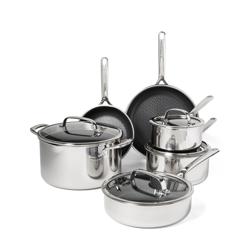
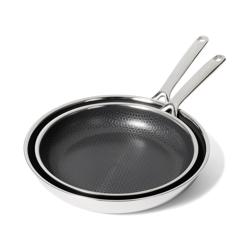
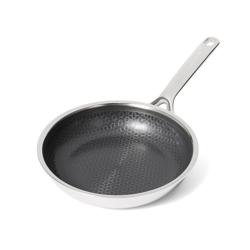
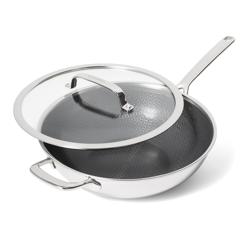
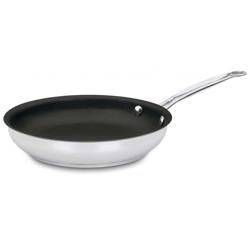
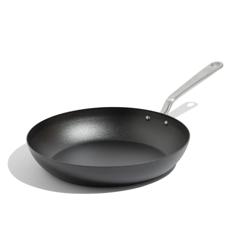
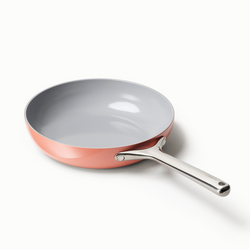
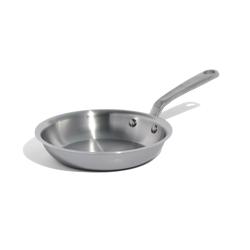
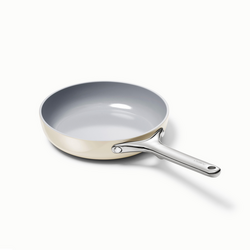
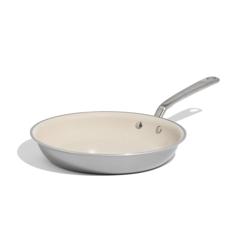
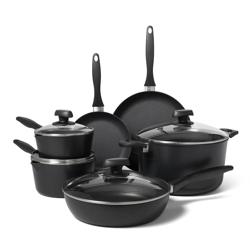
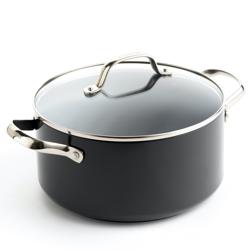
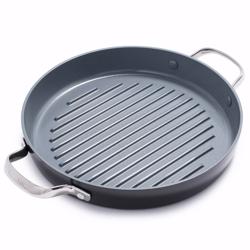
Silver PFAS-free cookware combines a clean, versatile finish with materials and coatings made without PFAS, a group of long-lasting chemicals sometimes used in nonstick manufacturing. The silver look may come from polished stainless steel, brushed stainless steel, a silver-tone exterior or a metal body paired with a PFAS-free ceramic nonstick interior. Stainless steel, cast iron and carbon steel are naturally PFAS-free because they do not depend on a synthetic nonstick coating. Ceramic nonstick cookware can also be made without PFAS, but the material alone is not enough to confirm that claim. Look for clear product information stating that the cooking surface is made without PFAS and, when applicable, without PTFE and PFOA. This distinction matters because “ceramic” can describe different materials and finishes, while “PFAS-free” refers specifically to the absence of the stated chemical class. Silver cookware is especially easy to bring into an existing kitchen. Its neutral finish works with white dinnerware, colorful utensils, wood cutting boards and nearly any countertop, making it a practical choice for a coordinated collection or a thoughtful housewarming gift. It also has a polished, professional appearance that can move comfortably from the stovetop to the table when a meal is served family-style. During the cooler months, a dependable silver skillet or saucepan can become part of the daily rhythm of cooking—warming soup for lunch, browning vegetables for a weeknight grain bowl or preparing a pan sauce after roasting chicken. For shoppers building a first kitchen, refreshing older cookware or choosing a gift for someone who enjoys cooking, PFAS-free construction offers a clear starting point while the silver finish keeps the collection flexible.
When comparing silver PFAS-free cookware, begin with the cooking surface and then consider how the piece will be used. Stainless steel is a strong all-purpose option for searing meat, sautéing vegetables, reducing sauces and deglazing a pan to capture the browned bits left behind. It is durable, resistant to staining and generally well suited to metal utensils, though food can stick if the pan is not preheated and supplied with enough fat. A layered or clad stainless steel design can help distribute heat more evenly, which is useful when making delicate sauces or cooking foods that need steady temperature control. Ceramic nonstick cookware is often chosen for eggs, pancakes, fish and other foods that benefit from easy release and straightforward cleanup. It typically requires gentler handling than bare metal, so silicone, wood or other approved utensils may help preserve the cooking surface. Cast iron and carbon steel offer excellent heat retention and can develop a naturally more release-friendly surface with seasoning and regular use. They are also heavier and may need drying and light oiling after washing. Consider the weight you are comfortable lifting, the size of your burners and the type of stovetop in your home. Induction cooking requires magnetic compatibility, while gas and electric stovetops may call for attention to the flatness and stability of the base. Oven safety, dishwasher guidance, lid fit, handle comfort and storage space are equally practical details. A pan that feels balanced in your hand and suits your everyday recipes is more likely to earn a permanent place on the stovetop than one chosen only for appearance.
A silver cookware collection can be built gradually or given as a useful gift, with a skillet, saucepan, sauté pan or stockpot covering different cooking tasks. A smaller pan may be ideal for a student, a new homeowner or a cook preparing meals for one or two people, while a broader assortment can help a busy household move from breakfast to dinner without stopping to wash cookware between steps. Think about the recipient’s habits: someone who makes quick lunches may appreciate an easy-release ceramic pan, while a home cook who enjoys browning, braising and finishing sauces may prefer the control of stainless steel. For anyone reducing the use of synthetic coatings in the kitchen, pure stainless steel, cast iron and carbon steel provide straightforward choices, while PFAS-free ceramic nonstick can offer a more familiar low-stick experience when clearly labeled. Care has a direct effect on performance. Follow the manufacturer’s instructions for heat levels, utensils, cleaning and seasoning rather than assuming every silver pan should be treated the same way. Let cookware cool before washing when recommended, avoid sudden temperature changes and dry cast iron or carbon steel thoroughly to help prevent rust. If a gray-toned finish suits the room better than bright silver, explore
PFAS Free Gray Cookware for a similar approach in a softer neutral shade. Whether the goal is a streamlined everyday setup, a durable foundation for ambitious cooking or a gift that will be used for years, silver PFAS-free cookware brings together a timeless appearance and clearly defined material choices.