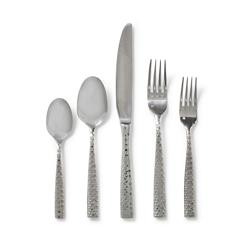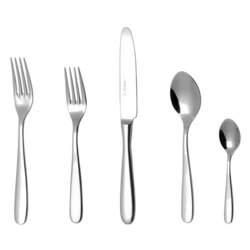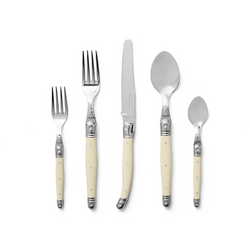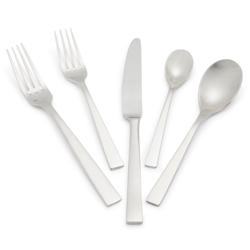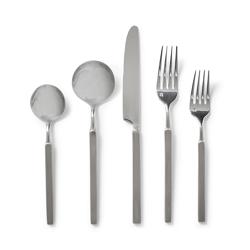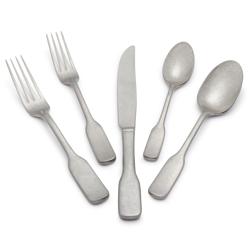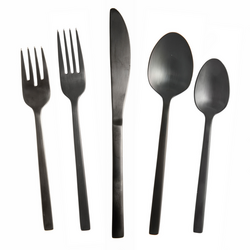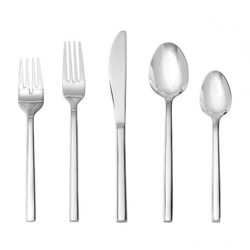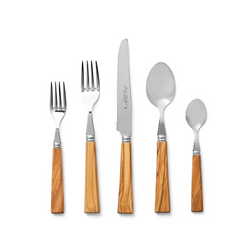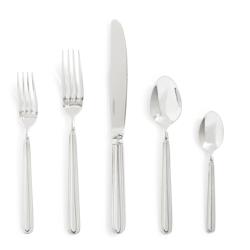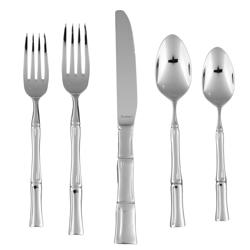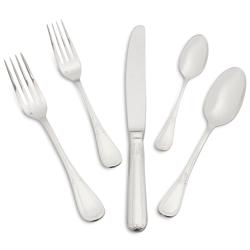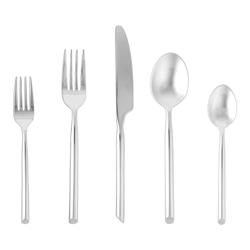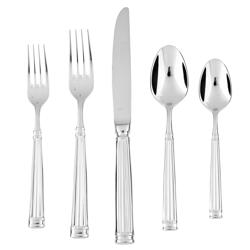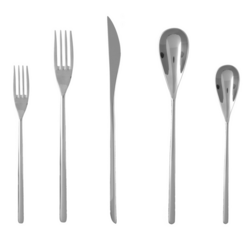
Silverware sets bring a sense of order to the table, whether dinner is a bowl of pasta at the kitchen counter or a full meal shared with friends. Matching forks, knives and spoons give each place setting a consistent look, but the details that matter most often become apparent once you sit down to eat. A comfortable handle, a well-balanced knife and a spoon with a pleasing shape can make everyday meals feel more considered without making them formal. Although “silverware” traditionally refers to utensils made from silver, the term commonly describes flatware made from stainless steel and other materials, too. Stainless steel is a practical choice for frequent use because it resists corrosion and generally requires less upkeep than sterling silver or silver-plated flatware. Some stainless steel sets carry designations such as 18/10 or 18/0, which describe the percentages of chromium and nickel in the alloy. Chromium contributes to corrosion resistance, while nickel can enhance that resistance and help maintain a lustrous finish. These numbers offer useful context, though construction, finishing and care also affect how flatware performs over time. Knife blades may use a different steel composition from forks and spoons to support their cutting function, so differences within a coordinated set are not necessarily a concern. Beyond the material, consider the atmosphere you want at the table. A polished finish catches the light beside clear glassware and white porcelain, while a satin finish creates a softer effect alongside stoneware and linen napkins. Simple handles can move easily between casual meals and dressed-up dinners. Decorative borders, rounded silhouettes or more angular shapes add character without requiring an entirely new dinnerware collection. If you enjoy changing table linens with the seasons, a versatile silver-tone finish gives you a steady starting point. During the cooler months, it looks equally at home beside a serving dish of roasted vegetables or a deep bowl of soup.
The right silverware set should fit both your hands and the way your household eats. Heavier flatware can feel substantial, but extra weight is not automatically more comfortable; a lighter fork with a smooth handle may be easier to use through a leisurely meal. Handle width, thickness and balance all contribute to that experience. Rounded edges should feel comfortable against your fingers, fork tines should be evenly finished and knife handles should offer a secure grip. Spoon bowls deserve attention as well: a deeper bowl works differently from a shallow one, and an oversized spoon may feel awkward for someone who prefers smaller bites. For households with children or people with limited hand strength, manageable proportions and an easy-to-hold shape may take priority over a dramatic profile. Scale matters visually, too. Long, broad handles can complement generous dinner plates, while more compact flatware often looks balanced beside smaller dishes and on a narrow breakfast table. Set contents are another practical distinction. A traditional five-piece place setting typically includes a dinner fork, salad fork, dinner knife, soup spoon and teaspoon, but configurations vary. Check the types of utensils included rather than relying on the total piece count alone, especially when a set also contains serving pieces. Think about breakfast cereal, packed lunches and the extra spoon used to stir a cup of coffee, not just the number of people seated for dinner. Having enough place settings for your usual guests, plus a few extras for utensils waiting in the dishwasher, helps keep meals running smoothly. Coordinated serving utensils can carry the same look through shared salads, side dishes and desserts. For another view of coordinated flatware, explore the
Silverwear Set collection. Whether you prefer a fully matched table or pair your flatware with collected dishes, consistency in finish and proportion can help the setting feel intentional.
Durability becomes most meaningful after repeated meals and cleanups, so care requirements deserve a place in your decision alongside appearance and comfort. Many stainless steel silverware sets are dishwasher safe, but the care instructions for the particular material and finish should always take precedence. Decorative coatings, silver plating and other specialty finishes may need gentler treatment than plain stainless steel. Even corrosion-resistant flatware benefits from prompt rinsing after contact with salty or acidic foods; leaving a fork coated in salad dressing or a knife smeared with mustard overnight can be harder on the surface than ordinary use. Avoid prolonged soaking, abrasive scrubbers and chlorine bleach, which can damage finishes or contribute to corrosion. When using a dishwasher, arrange utensils according to the appliance instructions and avoid tightly nesting spoons together, since overlapping surfaces can prevent thorough cleaning and drying. Once the cycle is complete, removing lingering moisture with a soft cloth can help reduce water spots. If you hand-wash, use a mild detergent, rinse thoroughly and dry before putting the pieces away. Sterling silver and silver-plated flatware generally need additional attention to manage tarnish, including appropriate polishing and storage; plated surfaces also require care to avoid wearing through the silver layer. A divided drawer organizer helps keep everyday pieces easy to reach and reduces unnecessary rubbing, while protective storage is useful for flatware reserved for special gatherings. With sensible care, a well-made set can become a familiar part of daily life, from hurried breakfasts to long dinners that end with another cup of coffee. That everyday usefulness also makes silverware a thoughtful wedding, housewarming or anniversary gift. For a recipient setting up a first home, an adaptable design can work with dishes they already own and pieces they may choose later. For someone who entertains often, a coordinated set can simplify setting a larger table. The most useful choice reflects the recipient’s routines: comfortable enough for daily meals, easy enough to care for regularly and suited to the way they like to welcome people to the table.