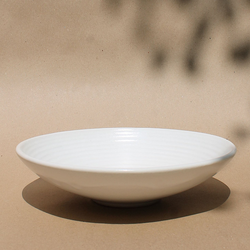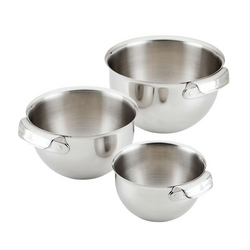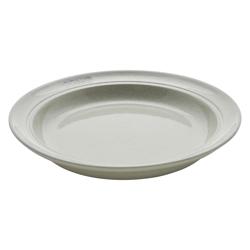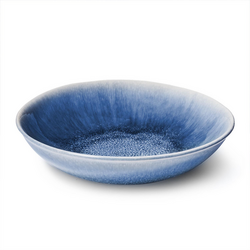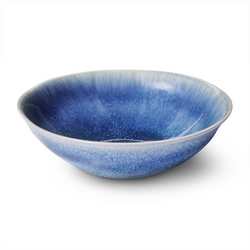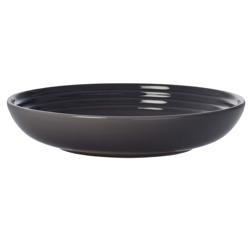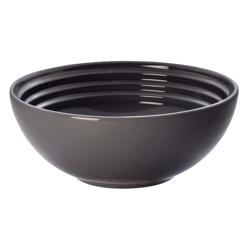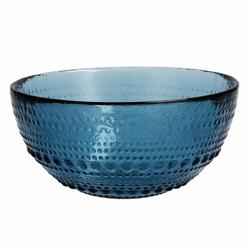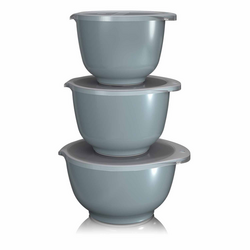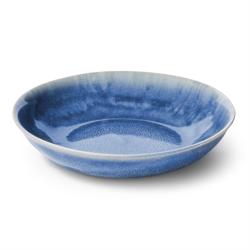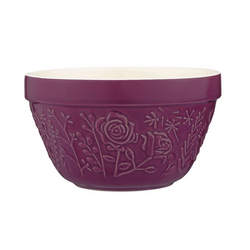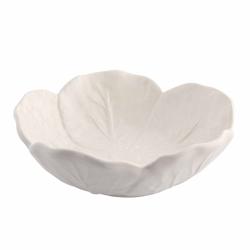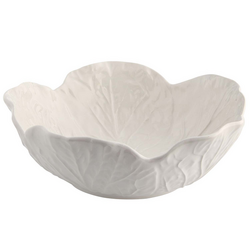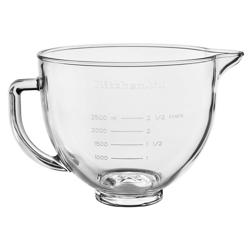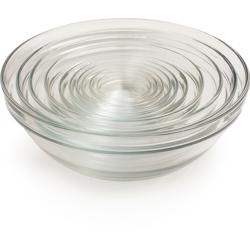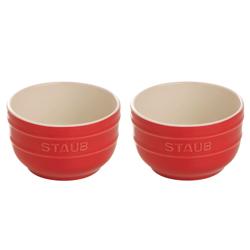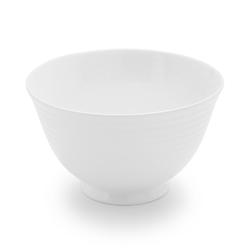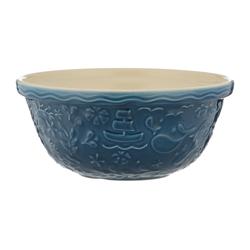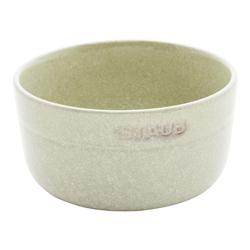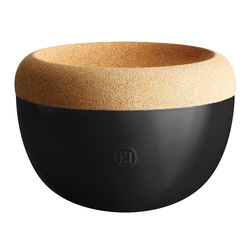
Simple bowls are everyday dining and serving pieces with uncomplicated shapes and understated finishes that keep the focus on your food. They work just as well for morning oatmeal as they do for a quick lunch or a generous helping of pasta at dinner. Their appeal is practical: a comfortable shape, enough room for the meal and a look that fits easily with the dishes you already use. White, cream and soft neutral tones create a quiet backdrop for everything from tomato soup to colorful roasted vegetables, while a subtle glaze or gently rounded rim adds character without a busy pattern. Simple bowls also suit the easy, customizable meals often called grain bowls, burrito bowls or Buddha bowls. Those meals generally combine a base of grains or greens with a protein, vegetables and a dressing or sauce. A broad bowl gives brown rice, chickpeas, roasted carrots and a spoonful of tahini dressing enough space to sit side by side, with room to mix a little of everything into each bite. A deeper shape is better suited to broth, noodles or a warm bean stew, helping contain liquid as you carry dinner from the kitchen to the table. During the cooler months, that same everyday bowl can hold baked apples at breakfast or a comforting lentil soup after a long day. Understated dinnerware makes these transitions feel natural, whether you are eating at the kitchen counter or setting places for friends. Matching bowls create a consistent table setting, but simple shapes are also easy to combine with patterned plates, textured linens or colorful glassware. For a first apartment, a shared household or a well-used family kitchen, versatility matters more than having a separate dish for every recipe. A thoughtfully chosen bowl earns its place through repeated use, moving from cereal to salad to leftovers without looking out of place at any meal.
Material and construction influence how a bowl feels in your hands, how much it weighs on a shelf and how it holds up to your routine. Porcelain often offers a relatively refined profile and a smooth, glazed surface that suits both casual meals and a more carefully set table. Stoneware commonly has a more substantial feel, with glazes that can bring warmth and subtle variation to a simple design. Neither material is automatically more durable in every situation; the quality of the piece, its construction and the way it is handled all matter. Glass provides a clear view of layered ingredients and pairs easily with many dinnerware styles, though temperature limits vary and should always be checked. For outdoor meals or households that prefer lightweight dishes, melamine can be a practical consideration, but it should not be used in the microwave. Across materials, everyday usefulness comes down to more than appearance. A smooth interior makes it easier to scoop the last spoonful of yogurt, while a stable base helps keep a bowl from rocking as you cut a tender piece of roasted squash with the side of a fork. Rim shape matters, too: a wide lip gives you somewhere to grip, but it also takes up space without necessarily adding much usable capacity. Bowls with gently sloping sides work well for tossing greens or mixing rice with sauce, while steeper sides help contain cereal and milk. Before choosing a size, picture an actual meal rather than relying on capacity alone. A bowl may hold plenty of food yet feel crowded once you add leafy greens, sliced chicken and crunchy toppings. Leaving space below the rim makes stirring and carrying more comfortable. Check the outside dimensions against your cabinet shelves, microwave interior and dishwasher rack, especially if storage is tight. For snacks, dips or smaller portions,
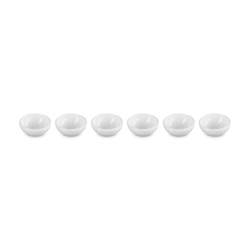
Compact Bowls can complement larger meal bowls without asking every dish to serve the same purpose. Pieces that nest neatly can save shelf space, although a stack should still be manageable to lift and easy to separate when you are setting the table.
Simple bowls are especially useful when their care requirements fit the way you actually cook and clean. If breakfast dishes go straight into the dishwasher and leftovers are usually reheated in the microwave, look for pieces specifically labeled for both uses. Oven safety is a separate feature, not something to assume because a bowl is ceramic or microwave safe. Follow the care instructions for each piece, including any limits on heat, and avoid sudden temperature changes that can damage some materials. A hot bowl placed on a cold, wet surface or a chilled bowl moved directly into a hot oven may be exposed to thermal shock. For routine cleaning, a nonabrasive sponge and a suitable mild detergent help protect finishes; stacking dishes gently and leaving room between them in the dishwasher can also reduce knocks along the rims. Matte surfaces and pale glazes may show utensil marks more readily, so consider whether you prefer a finish that asks for occasional extra attention or one that better suits frequent everyday use. Think about who will be reaching for the bowls as well. A substantial bowl can feel reassuring on the table, but a lighter piece may be easier for someone who finds heavy dishes uncomfortable to lift. Families may value stable shapes and straightforward care, while someone who eats most meals from a bowl may appreciate a few sizes for everything from a small breakfast to a full dinner. For entertaining, simple serving bowls allow a green salad, roasted vegetables or warm rolls to take their place alongside existing dinnerware without requiring a fully matched setting. They can also make thoughtful housewarming or wedding gifts, particularly when the recipient enjoys cooking and prefers useful pieces over decorative extras. Neutral finishes and familiar shapes are often easier to work into an established kitchen, though the recipient’s preferred colors and care habits are worth considering. The strongest reason to choose simple bowls is the ease they bring to ordinary meals: enough room to toss a salad, a comfortable edge for spooning soup and a design you enjoy seeing on the table day after day.