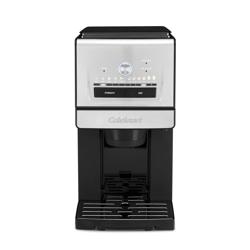
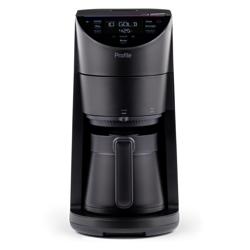
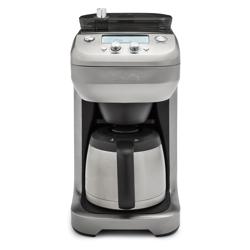
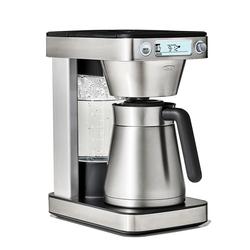
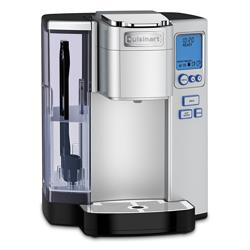
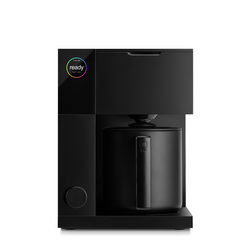
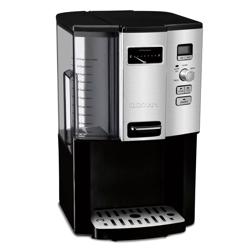
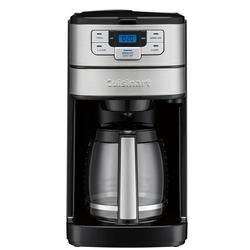
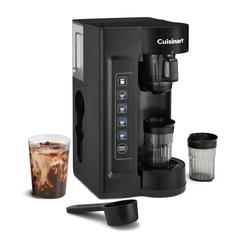
Single-serve ground coffee makers make it easy to brew a cup that suits the person drinking it, without preparing a full pot. They’re a practical fit for a kitchen where one person drinks regular coffee and another prefers decaf, an apartment with limited counter space or a household whose morning routines rarely line up. Brewing with ground coffee also leaves room for personal taste. A familiar breakfast blend, a rich dark roast or beans ground just before brewing can all have a place in the daily routine, provided the grind is appropriate for the machine. Unlike systems that depend on a particular capsule format, ground-coffee brewing lets the coffee itself lead the choice. The appeal is as much about portion as preference: enough for a quiet cup at the kitchen table, a larger serving for the commute or an afternoon break without a half-finished carafe. Brew capacity varies by design, so a single serving may mean a modest coffee cup or a generously sized travel mug. The amount of coffee and water both matter to the finished flavor; selecting a larger brew size without adjusting the grounds can produce a lighter cup rather than more of the same strength. Machines with adjustable serving sizes or strength settings can offer useful flexibility, though the available settings differ. For someone who adds milk, leaving room in the cup is another everyday detail worth considering. This category is especially well suited to coffee drinkers who value control over their beans but want a straightforward brewing routine. It can also make sense as a second brewing option when a full-size coffee maker handles shared breakfasts and a single cup covers everything in between. The right fit depends less on how many people live in a home than on how much coffee they drink at once, which cups they reach for and how much hands-on preparation feels comfortable each day.
Size and construction help determine how naturally a single-serve ground coffee maker fits into that routine. A compact footprint can preserve prep space, but height matters just as much when the machine sits beneath cabinets. Lids may need room to open above the brewer, and a reservoir that lifts out from the back requires a different kind of clearance than one filled from the top. Cup clearance deserves a close look, too. A favorite travel mug needs to fit beneath the spout without tilting, while a smaller cup benefits from a position that limits splashing. Removable drip trays or adjustable cup platforms can help accommodate different vessels when those features are included. Water capacity is another useful distinction: a reservoir designed for several servings reduces refilling between cups, while a fill-for-each-brew design may appeal to someone who likes to add fresh water for every serving. Materials influence both appearance and upkeep. Stainless steel exterior panels can coordinate with other kitchen appliances, though fingerprints and water spots may need wiping away. Plastic housings can keep a brewer lighter to move, and clear reservoir sections make water levels easier to see. The construction of the removable parts matters at least as much as the finish, particularly around lids, filter holders and the drip tray that gets handled regularly. Filter design also shapes daily use. A compatible reusable filter avoids the need for a fresh paper filter with every cup, but it requires emptying and rinsing. Paper filters, where supported, offer a different cleanup routine and can capture more of the fine particles and oils that affect coffee’s texture. Neither approach is a universal substitute for the other; compatibility depends on the brewer. Controls should feel comfortable for the person using them, whether that means a simple start button or more choices for brew size and strength. Features such as automatic shutoff may be helpful, but they vary by machine and should be checked rather than assumed.
Regular care helps keep a ground-coffee brewer pleasant to use and supports consistent results over time. Damp grounds left in a filter basket can develop stale odors, while coffee oils can collect on surfaces that look clean at a glance. Accessible baskets, removable trays and reservoir openings that are easy to reach make routine cleaning less awkward. Dishwasher-safe parts can simplify the job when the manufacturer permits it, but removable does not automatically mean dishwasher safe. The electrical base generally needs a careful wipe rather than a rinse, and each brewer’s care directions should determine how the other components are washed. Mineral buildup is a separate concern from coffee residue. Depending on water hardness and frequency of use, periodic descaling may be needed to help maintain water flow and brewing performance. Following the recommended process is more useful than improvising with a cleaner that may not be suitable for the machine. For durability, secure-fitting components and a design that is easy to maintain are practical considerations alongside the exterior materials. These details also matter when choosing a gift. A single-serve ground coffee maker can be a thoughtful housewarming or wedding gift for someone who enjoys choosing coffee but has little use for a full pot. For a shared kitchen, straightforward controls and room for different mugs may be more valuable than a long list of settings. For someone who drinks coffee both hot and over ice, the
Single Serve Iced Coffee Maker collection offers a related option to explore. Brewing for ice calls for attention to concentration and vessel suitability, since melting ice adds water and not every glass is intended to receive hot coffee. Whether the daily cup is taken at the breakfast counter or carried out the door, the most useful brewer is one whose capacity, footprint and care requirements fit comfortably into everyday life.