-
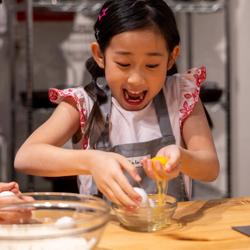
Cooking Class Description: Why wait until morning? This class turns breakfast into an anytime celebration. Kids and adults alike will love creating Cloud Egg Nests, peppered bacon with a touch of sweetness and a fluffy Dutch baby topped with strawberries....
-
(5)
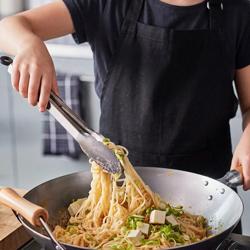
Cooking Class Description: Treat the family to some of their favorite Asian foods in this hands-on class designed especially for children and parents to work together in the kitchen. You’ll learn to prepare a savory stir-fried noodle dish packed with...
-
(6)
My little kept saying "This is the best day ever!" The pinwheels were delicious!...It was great to see my daughter have fun without the worries of a mess....Chef Wendy is the best and was great with both kids....Great experience to do with your Littles!!......
-
Cooking Class Description: Who needs takeout when you can make authentic Thai dishes at home? Bring your young chef and explore vibrant Thai flavors together as you grill tender Chicken Satay and whip up a bold Peanut Sauce for dipping. You'll roll Fresh...
Single-Session Winter Cooking Classes For Kids And Families
A one-day cooking class can turn a winter-break outing into hands-on time together. Explore in-store, single-session cooking experiences for kids and families centered on savory dishes, with room for a sweet finish. Start with your child's age and interests, then check the local store, session date and duration to find a screen-free activity that fits your break.


Best Of FAQ
Not necessarily. One-day refers to a single session rather than a multiday series. Check the listed duration and start and end times to see how the class fits around the rest of your day.
Start with the session's stated age range, then consider your child's interests and comfort with a structured kitchen activity. Toddler, kids' and family formats can have different participation requirements, so read the details for the class you're considering.
Look for a family class whose description specifically says children and adults work together. Confirm the adult-participation requirements for that session rather than assuming an arrangement described for another class also applies.
Yes. A cooking-focused menu can combine a substantial savory project with a sweet finish. Read the full menu to distinguish that experience from a baking-only workshop and choose the balance your family would enjoy.
Match the local session date to your family's school-break calendar and allow time to travel to the store. To explore other formats alongside a single-session outing, browse screen-free winter-break cooking and baking classes.



-
"This class provided lots of great tips for working with royal icing and terrific decorating ideas"
-
"My little kept saying "This is the best day ever!" The pinwheels were delicious"
-
"Always a great time with chef Joy. We have donec4 classes with her and have enjoyed them all"
-
"My little kept saying "This is the best day ever!" The pinwheels were delicious"
-
"I love these online classes, tips and tricks from the professionals that really help you to nail it"