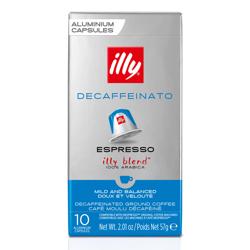
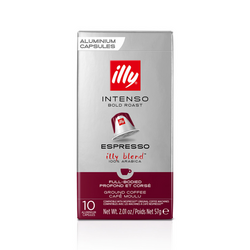
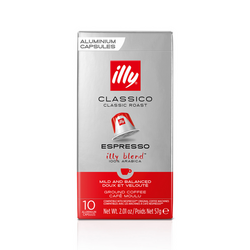
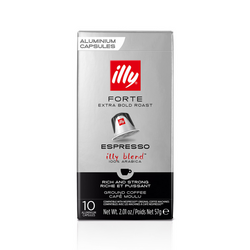
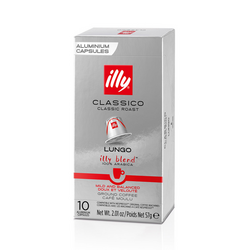
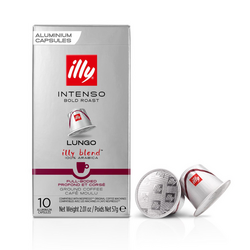
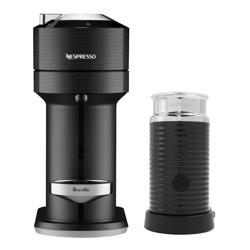
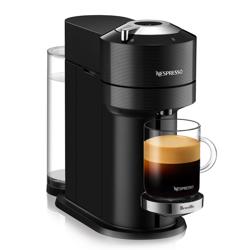
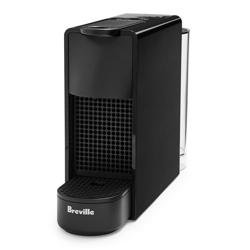
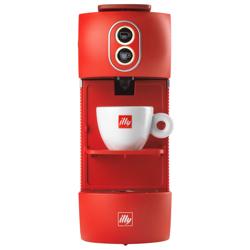
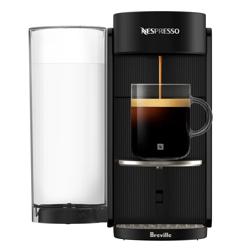
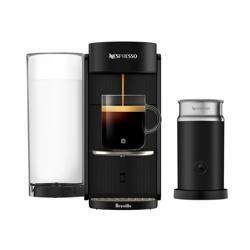
Single-use coffee pods contain premeasured ground coffee for brewing one serving in a compatible machine. They make preparation quick and reduce loose-ground cleanup, but they are not universally interchangeable: the pod’s format must match the brewing system specified for your coffee maker. That fit matters just as much as the coffee inside. Capsules and soft paper pods can differ in diameter, depth, rim shape and the way water passes through the grounds. Even capsules with a similar appearance may belong to different systems, so matching the compatibility information on the package to your machine’s exact model is more reliable than judging by shape alone. A pod should fit as directed without forcing the holder or lid closed. Many rigid capsules use aluminum or plastic, while soft pods enclose the coffee in filter paper. These materials serve different brewing designs, and the outer packaging may provide additional protection from air and moisture. The format also helps determine the kind of drink a machine can prepare. Some systems are designed for short, concentrated espresso-style servings, while others brew a longer cup of coffee. A larger cup is not necessarily made by simply running more water through any capsule; the amount of coffee and the intended brewing volume need to work together. For anyone comparing
Pod Coffee Makers, the supported pod format and available serving sizes are useful details to consider alongside countertop space and everyday coffee habits. Single-use portions suit a kitchen where one person wants a small coffee before breakfast and another prefers a longer cup later, without leaving a shared pot on a warming plate. They also make sense in a shared workspace or guest kitchen, where straightforward preparation and individual portions help different people make their preferred drink. The convenience comes from a measured serving and a compatible system working together, rather than from the pod alone.
Flavor gives single-use coffee pods their variety, with roast level, coffee origin, blend and intended serving size all contributing to the finished cup. Lighter roasts may bring brighter acidity and fruit or floral notes, while darker roasts often lean toward toasted, bittersweet or smoky flavors. Medium roasts can offer a balance of sweetness, body and acidity, though roast descriptions vary among producers. Tasting notes are useful cues rather than guarantees that every person will notice the same flavors. A coffee described as chocolatey, for example, may develop that character through its beans and roasting rather than added chocolate; the ingredient list is the place to check for flavorings. For a cup enjoyed black, the balance between aroma, body and finish may matter most. For coffee served with milk, a fuller-bodied profile can remain more noticeable as the drink becomes creamier. Espresso-style pods can provide a concentrated base for a latte or cappuccino when used in the appropriate machine, with milk prepared separately or through the machine’s milk system. The cup size recommended on the package helps preserve the intended balance. Sending extra water through the same grounds can produce a thinner drink and draw out unwanted bitterness rather than create a satisfying larger coffee. Strength and caffeine also deserve separate attention. An intensity rating generally describes sensory qualities such as roast character and body, not a standardized caffeine measurement. Caffeine depends on factors including the coffee blend, portion and preparation, so a dark or intense-tasting cup is not automatically the most caffeinated choice. Decaffeinated coffee can suit someone who enjoys the ritual later in the day, although decaf does not mean completely caffeine-free. In households with different preferences, individual pods make it easier to keep those choices separate. One person can enjoy a bold breakfast coffee while another makes a gentler-tasting cup, without needing separate batches or leftover brewed coffee.
The portioned format is especially practical when the amount of coffee needed changes from day to day. A single cup before leaving home, an afternoon coffee between meetings or a few different drinks after dinner can each be prepared individually. For a gift, knowing the recipient’s exact brewing system is essential; a favorite roast is only useful when its pod fits the machine. Their usual drink size and preference for black coffee, milk-based drinks or decaf can help make the choice feel thoughtful rather than generic. At home, keeping pods organized by type makes those preferences easy to find without opening several packages. Storage matters because coffee’s aroma fades with exposure to air, moisture and heat. Follow the package directions, keep pods in a cool, dry place away from direct sunlight and leave individually wrapped portions sealed until needed. Packaging dates and best-by information offer a useful reference when deciding how much coffee suits your routine. Pods are consumable portions, so intact packaging matters more than long-term durability: crushed capsules, damaged rims or broken seals can affect handling, freshness or brewing performance. Each portion is intended for one brewing cycle, not repeated extraction. After use, allow hot pods to cool before handling and follow the machine’s instructions for emptying its collection container. Routine cleaning of the pod holder, drip tray and other designated parts helps prevent coffee residue from building up, while descaling should follow the manufacturer’s directions. Disposal depends on the pod material and local collection options. Aluminum or plastic does not automatically mean a used capsule belongs in curbside recycling, and some programs require coffee grounds or lids to be removed. Likewise, compostable packaging may require a commercial facility rather than a backyard compost pile. Clear disposal instructions make it easier to handle the used portion appropriately. With the right fit, a flavor suited to your cup and a simple storage and cleanup routine, single-use coffee pods offer a convenient way to make coffee one serving at a time.