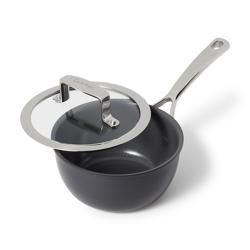
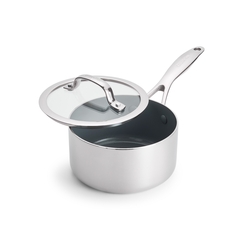
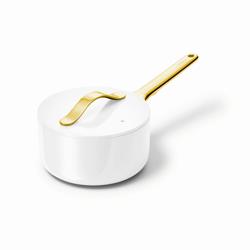
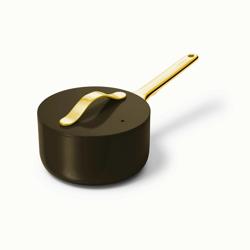
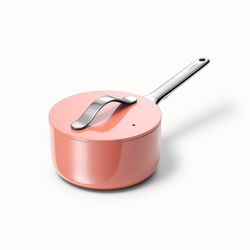
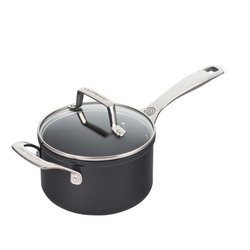
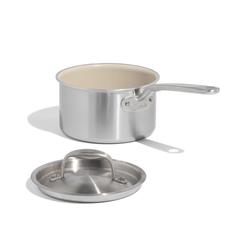
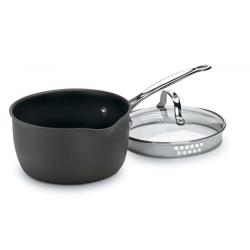
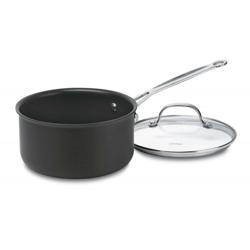
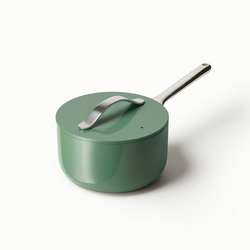
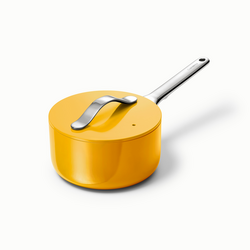
Small ceramic saucepans are compact pots, commonly ranging from 0.75 to 2 quarts, suited to simmering sauces, warming milk, boiling a few eggs and cooking small portions of grains or soup. Most have a metal body with a ceramic nonstick coating rather than being made entirely from ceramic. Their appeal is practical: a manageable size for everyday cooking, a smooth interior that helps food release and a smaller footprint than a full-size saucepan. A little tomato sauce for lunch does not need the same vessel as a family batch of soup, and a few tablespoons of butter are easier to watch in a pan sized for the job. For someone cooking alone or sharing meals with one other person, a small ceramic saucepan can handle everything from morning oatmeal to a quick couscous side dish. In a larger household, it becomes the supporting pan for warming gravy, preparing a separate portion or keeping a sauce ready while the main dish finishes. Capacity makes a meaningful difference. A 1-quart saucepan suits modest amounts of sauce or warm milk, while a 1.5- or 2-quart saucepan provides more room for stirring porridge, simmering lentils or reheating soup without crowding the rim. The listed capacity generally describes the vessel’s full volume, not the amount that can comfortably bubble inside it, so extra headroom matters for foaming or expanding foods. Shape matters, too. A narrower pan keeps a small amount of liquid deeper, while a wider base gives ingredients more contact with the cooking surface and can encourage faster reduction. Straight sides help contain a simmer, and gently rounded interior corners can make it easier to reach thick sauces with a flexible spatula. These details distinguish a saucepan that simply fits in the cupboard from one that fits the way dinner actually comes together, whether that means a single serving of rice or a finishing sauce for the whole table.
The construction beneath the ceramic coating helps determine how a small saucepan cooks. Aluminum bodies conduct heat readily and can be relatively lightweight, while some designs combine layers of metal to balance heat distribution with strength. The coating provides the food-contact surface; the body and base do much of the work of moving heat across the bottom of the pan. A well-matched burner and moderate heat help that construction perform as intended, especially with milk, chocolate or sauces that can scorch before they look ready. Ceramic-coated cookware is not interchangeable with solid ceramic cookware, and neither the word “ceramic” nor the appearance of the exterior establishes stovetop compatibility. Induction cooking requires a compatible magnetic base, so the manufacturer’s stated cooktop suitability matters more than color or finish. On gas, a small saucepan needs a secure position on the grate, with flames kept beneath the base rather than extending up the sides. On electric and glass cooktops, a clean, flat base and an appropriately sized heating element help support even contact. Handles deserve just as much attention as the cooking surface. A comfortable grip makes it easier to carry a pan of hot soup, while the handle’s length, angle and weight affect how balanced a small vessel feels. Handles can become hot during cooking, so keeping a dry potholder nearby remains important. A fitted lid helps retain moisture for grains and gentle simmering; a glass lid allows a look inside without lifting it. Pouring rims, spouts and lid strainers, where included, can simplify transferring warm sauce or draining small portions. Oven suitability is specific to each design, including its handle and lid, and should never be assumed from the coating alone. For an alternative with an uncoated cooking surface,
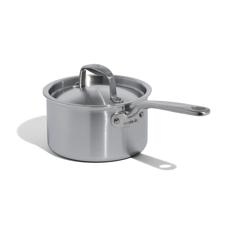
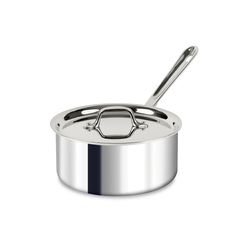
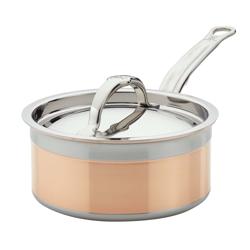
small stainless steel saucepans are worth considering, particularly for cooks who frequently use metal whisks or make sauces that begin with browned ingredients.
Ceramic nonstick saucepans reward gentle everyday habits more than aggressive heat or heavy scrubbing. Low to medium heat is generally appropriate, subject to the manufacturer’s instructions, and leaving an empty pan over a hot burner can damage the cooking surface. A small amount of butter or cooking oil, when appropriate for the recipe, helps with cooking and flavor; a nonstick coating does not mean every ingredient should be cooked dry. Silicone, wood or other manufacturer-approved utensils are sensible companions for stirring oatmeal, folding a thick cheese sauce or scraping the last spoonful of pudding into a bowl. Metal tools and abrasive scouring pads can scratch or wear the coating, even when the marks initially seem minor. After cooking, allowing the saucepan to cool before washing helps avoid sudden temperature changes. Warm water, mild dish soap and a soft sponge are often enough for routine cleanup, while a brief soak can loosen residue without force. Hand-washing is generally the gentler choice, even when a particular pan is labeled dishwasher safe, but the care directions for that pan should take priority. Thorough cleaning matters because lingering oil and food residue can affect release over time. Ceramic coatings are wear surfaces, so their performance can change with use; careful handling helps preserve them but does not make them permanent. Storage is another small consideration with a useful payoff. A soft pan protector between stacked pieces helps prevent another vessel’s base from rubbing against the interior, and leaving room around handles makes a compact cupboard easier to navigate. For someone setting up a first kitchen, downsizing or replacing an oversized pan used for tiny tasks, a small ceramic saucepan can be a thoughtful, useful gift. Matching its capacity, weight and cooktop compatibility to the recipient’s kitchen makes it more personal than choosing by appearance alone. The right fit is a pan that feels comfortable for familiar routines, from warming a little milk to spooning a glossy sauce over dinner.