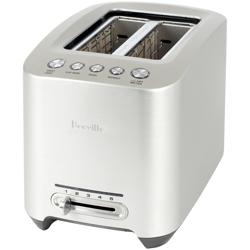
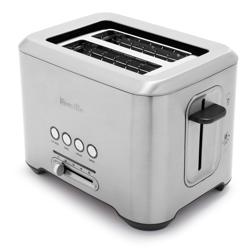
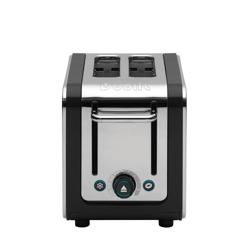
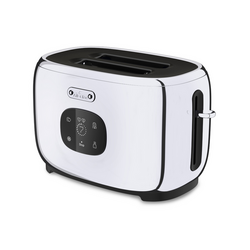
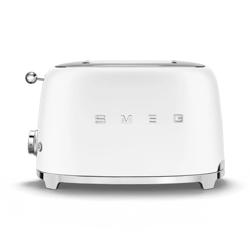
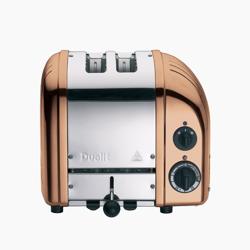
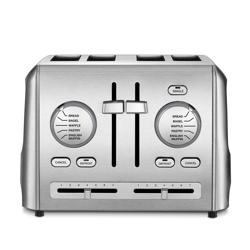
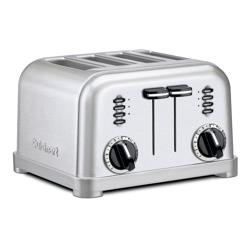
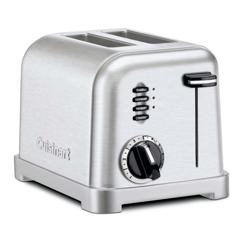
Smart 2-slice toasters bring more control to everyday toasting, pairing a compact, two-slot format with features such as digital shade settings, bread presets and countdown displays. Depending on the model, smart functions may also include motorized lowering, a lift-and-look option or a short extra-toasting cycle that adds color without restarting a full cycle. Here, “smart” generally refers to controls that make toasting easier to adjust and repeat; it does not necessarily mean Wi-Fi connectivity or app control. The appeal is practical: toast that suits the bread, the topping and the person eating it, with less guesswork during a busy morning. A lightly golden slice for butter and jam needs a different finish than sturdy sourdough destined for avocado, and clearly marked browning settings make those preferences easier to return to. Touchscreens and digital controls can keep selections easy to read, while a countdown timer helps coordinate toast with scrambled eggs or a fresh cup of coffee. Bread-specific presets, where included, offer starting points for different styles of bread, although moisture, thickness and sugar content still affect the result. A slice from a fresh bakery loaf may brown differently from sandwich bread, even at the same setting. Frozen-bread functions can be useful for households that freeze sliced loaves and take out only what they need. Bagel settings may concentrate heat on the cut side while warming the outside, though the exact operation varies by toaster. These details make a smart two-slice toaster a useful everyday appliance for one or two people, smaller households or anyone who prefers to prepare breakfast in individual batches. During the cooler months, the same small appliance earns its place beyond breakfast, turning a slice of bread into a crisp companion for soup or an afternoon snack with almond butter. The best fit is less about having the most settings and more about having controls that support the way breakfast actually happens at home.
The size and shape of a smart 2-slice toaster matter as much as its display. Extra-wide slots can accommodate thicker slices and split bagels, but width alone does not tell the whole story: slot length and depth determine whether a broad sourdough slice or taller piece of bread will fit comfortably. Bread should sit inside the slots without being forced, and oversized slices may need trimming before toasting. Self-centering guides, when present, help position slices between the heating elements, while a high-lift function can make smaller pieces easier to retrieve once the cycle has ended. For a kitchen with limited counter space, a two-slice format keeps the breakfast setup manageable, although overall dimensions vary. Allow room for the appliance itself, the power cord and the clearances specified by the manufacturer, rather than planning around the footprint alone. A removable crumb tray also needs enough access to slide out easily. Stainless steel housings bring a familiar look that coordinates with many kitchen appliances, while painted finishes can blend into a quieter countertop arrangement. Fingerprints and smudges tend to show differently across finishes, making surface texture worth considering in a frequently used kitchen. Some toasters use die-cast metal construction for a substantial feel; others combine metal panels with plastic controls or trim. A metal exterior does not automatically indicate better browning or a cool-touch surface, so construction and everyday handling deserve separate attention. Stable feet, a smooth lever or lowering mechanism and clearly legible controls all contribute to an appliance that feels comfortable to use. An audible ready signal may be helpful when attention is elsewhere, while adjustable sound, if included, can suit a household with early risers. For shoppers comparing digital convenience with other approaches to everyday toasting,
High Performance 2 Slice Toasters offers a related category to explore. Across either category, useful distinctions include bread fit, browning control, ease of retrieval and how naturally the toaster works within the kitchen’s daily routine.
A well-chosen smart two-slice toaster should be easy to live with after the first few breakfasts, not just appealing on the counter. Accessible crumb trays and straightforward exterior surfaces help keep regular care simple. Unplug the toaster and let it cool before cleaning, empty crumbs regularly and follow the manufacturer’s instructions for wiping the housing. Avoid immersing the appliance, spraying cleaner into the slots or reaching inside with metal utensils. Bread belongs in the toaster plain unless the appliance instructions specifically allow otherwise; butter, cheese and other toppings are best added afterward to prevent drips onto the heating elements. These small habits help limit residue and keep the appliance ready for frequent use. Durability involves more than a heavy housing: well-fitting controls, a dependable lifting mechanism and clear care instructions are useful considerations for something that may run every morning. Warranty terms can also help clarify what support comes with the appliance. For everyday results, digital shade selections offer a convenient reference point, but they are not a promise that every loaf will toast identically. Switching from a thin slice of white bread to a dense whole-grain slice may call for an adjustment, and sweet breads can color more quickly. A cancel control and an optional brief finishing cycle are especially useful when a slice needs attention before or after the selected program. For couples with different preferences, easy-to-change settings let each person choose a preferred finish in separate batches; a larger household may find two slots better suited to staggered breakfasts than serving everyone at once. As a housewarming or wedding gift, a smart toaster is a practical choice for someone setting up a kitchen, particularly when the size, finish and controls match the recipient’s space and habits. It can be equally thoughtful for a frequent breakfast maker who enjoys a thick slice of toast but wants a clearer view of the timing. From weekday toast eaten at the counter to a slower breakfast with eggs and preserves, the value lies in useful controls, comfortable handling and a format that makes an ordinary meal easier to get just right.