-
(189)
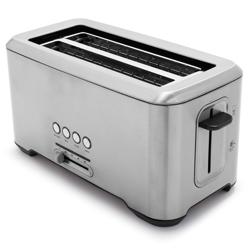
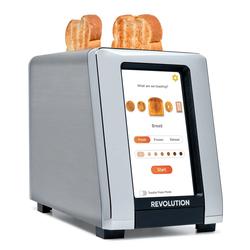
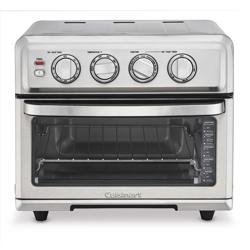
A silver, stainless steel toaster with smart toasting technology, adjustable settings, and extra-large slots.
-
(153)
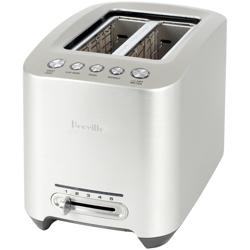
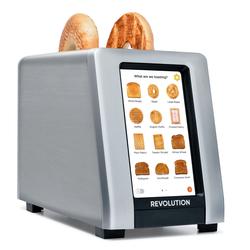
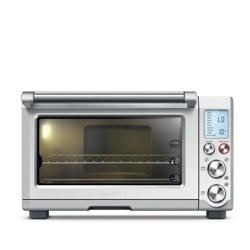
A smart toaster with innovative features, adjustable settings, extra-large slots, and a brushed die-cast metal design.
-
(1)
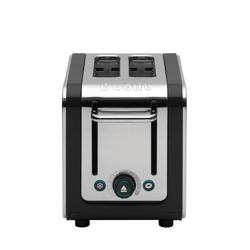
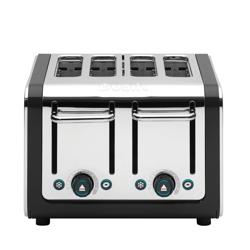
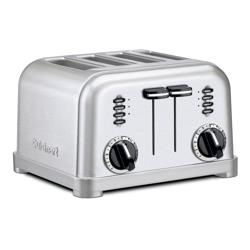
A sleek stainless steel and black toaster featuring wide slots, Perfect Toast Technology, and Peek & Pop® function.
-
A stainless steel smart toaster with rapid heating, Wi-Fi connectivity, touchscreen controls, and customizable settings.
-
A stainless steel smart toaster with InstaGLO® heating, touchscreen controls and Wi-Fi digital photo frame.
-
(1)
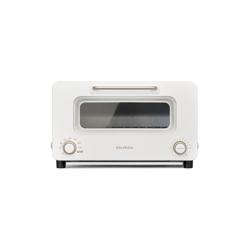
A white steel toaster with steam technology, bread-specific modes, and a Salamander Grill for perfect finishes.
-
(2)
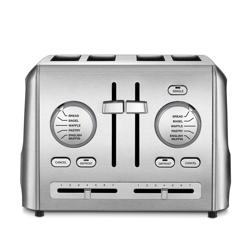
A sleek stainless steel and black toaster featuring extra-wide slots, Perfect Toast Technology, and Peek & Pop®.
Smart Kitchen Toaster
Upgrade your morning routine with a smart kitchen toaster that brings convenience and precision to every slice. Designed to fit seamlessly into modern kitchens, these toasters offer innovative ways to enjoy perfectly toasted bread, bagels and more. Whether you’re preparing a quick breakfast or crafting a weekend brunch, a smart kitchen toaster helps make each meal easier and more enjoyable. Explore options that blend style with advanced technology for a better start to your day.
Best Of FAQ
Smart kitchen toasters often include advanced features such as customizable browning settings, digital touchscreens, Wi-Fi or Bluetooth connectivity, and the ability to save user preferences. Some models can be controlled via smartphone apps or voice assistants for added convenience.
Yes, many smart toasters are designed with wider slots and multiple settings to handle a variety of breads, bagels, English muffins, and even pastries. Some models offer specific modes for different baked goods to ensure optimal results.
Many smart kitchen toasters can connect with home Wi-Fi networks and integrate with popular smart home ecosystems like Amazon Alexa or Google Assistant. This allows users to control their toaster using voice commands or automate breakfast routines alongside other connected appliances.
Smart kitchen toasters should be cleaned regularly like traditional models—emptying crumb trays and wiping surfaces. Additionally, it's important to keep digital interfaces clean and avoid moisture near electronic components. Always refer to the manufacturer's instructions for care specific to your model.
Some smart kitchen toasters include energy-efficient designs such as automatic shut-off, power-saving standby modes, or the ability to schedule operation times. These features help reduce energy consumption when the toaster is not in active use.
-
"Best toaster so great with the long slices of breads we love it. Thank You"
-
"Best toaster so great with the long slices of breads we love it. Thank You"
-
"Love it. It has the best features and is so fast. It is the best toaster I have ever had"
-
"It is the best investment I've made. Everything works fantastic. From great toast to baking"
-
"I love everything about it and it makes a great piece of toast"