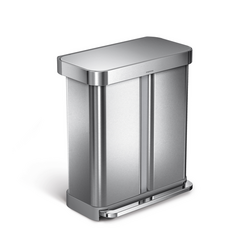
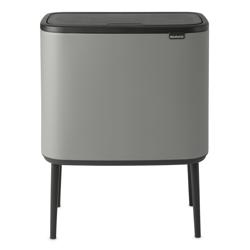
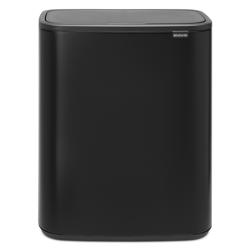
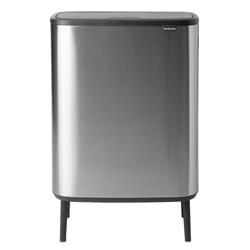
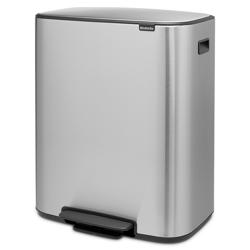
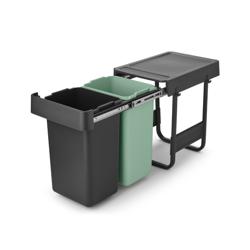
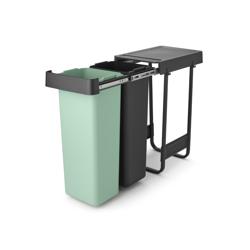
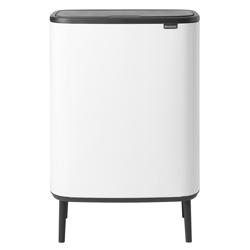
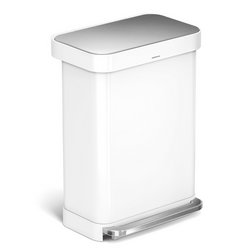
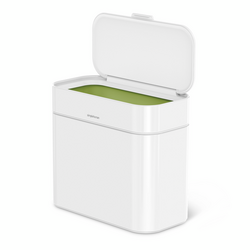
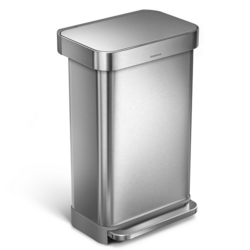
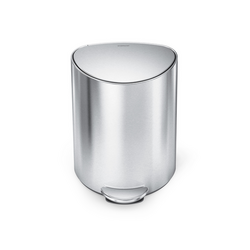
Split compartment trash cans separate household garbage and recyclables within one unit, making everyday sorting easier without placing two freestanding bins in the kitchen. Most use two compartments inside a shared outer body, with separate liners or removable inner buckets to keep the contents apart. Often called dual compartment trash cans or combination trash and recycling bins, these designs give food wrappers, empty containers and other household discards a designated place near the action. That can make a noticeable difference when clearing breakfast dishes, unpacking groceries or cleaning up after dinner: accepted recyclables go into one side, while nonrecyclable waste goes into the other. The most useful layout depends on what a household throws away, not simply how many people live there. A home that generates plenty of beverage cans and food packaging may benefit from equally sized compartments, while a household that produces more garbage than recycling may prefer a larger trash section and a smaller recycling section. Check the capacity of each compartment rather than relying on the total capacity alone. Two cans with the same overall volume can offer very different amounts of usable room on each side, especially for bulky containers. Tall, narrow compartments may accommodate everyday scraps easily but require larger packaging to be broken down before disposal. For someone cooking most meals at home, a family managing busy evenings or roommates sharing a kitchen, a clearly understood sorting system helps keep counters from becoming a temporary collection point. The compartments can also serve other sorting needs, provided their construction suits the intended contents. A standard divided bin should not be assumed to provide the ventilation, filtration or leak protection of a dedicated food-scrap container. Local recycling requirements still determine what belongs in the recycling side, including whether containers need to be emptied, rinsed or left unbagged for collection. Keeping those rules consistent throughout the household matters more than assigning a particular side to a particular material. A simple, repeatable routine is what makes a split compartment trash can useful.
Fit deserves as much attention as capacity because a trash can occupies working space every day. Measure the intended location and allow room for the lid to open fully, the pedal to move freely and the inner buckets to lift out without scraping a counter or shelf. A bin that fits neatly beneath an overhang when closed may be awkward to empty if its buckets must be pulled straight upward. In a narrow kitchen, consider how far the can projects into the walkway and whether someone can stand in front of it while another person opens the dishwasher. Placement near food preparation and cleanup areas can shorten the trip from cutting board to bin, but the can should not block a cabinet, appliance door or frequently used path. Rectangular bodies often sit comfortably along a wall or cabinet run, while rounded corners can soften the look of a freestanding bin in an open kitchen. For a streamlined appearance that complements nearby appliances and cabinetry,
Sleek Double Trash Cans offer another way to explore this practical category. Materials affect both appearance and everyday handling. Stainless steel exteriors can coordinate with kitchen appliances and stand up well to regular use, although their resistance to fingerprints, scratches and dents varies by finish and construction. Plastic bodies are generally lighter and easier to reposition, with surfaces that can be wiped clean according to the care instructions. Neither material alone guarantees durability; a stable base, securely fitted lid and sturdy opening mechanism matter just as much. Step pedals allow hands-free opening when carrying a plate or holding messy packaging, while separate pedals can help make the intended compartment clear. Where offered, sensor-operated lids provide touch-free access but need a suitable power source and enough clearance for reliable operation. Manual lids keep operation simple, though they require a free hand. Soft-close mechanisms can reduce the noise of repeated opening and closing, particularly in kitchens connected to living spaces. The best arrangement feels comfortable during ordinary tasks rather than merely looking tidy when the kitchen is empty.
Care and ease of emptying help determine whether a divided trash can stays convenient over time. Removable inner buckets make it easier to carry each waste stream separately and reach spills that would otherwise collect inside the outer shell. Look for handles that feel manageable when the bucket is full, and remember that a large compartment can become heavy long before it looks packed. Liners should fit the individual compartments securely without stretching tightly across the rim or leaving excessive material caught beneath the lid. A liner that is too small may slip as waste is added, while one that is much too large can bunch up and interfere with closing. Check any recommended liner dimensions or compatibility details, especially with unusually narrow or shaped inner buckets. If local collection rules require loose recyclables, a removable bucket can make transferring them to an outdoor recycling cart more straightforward. Regular emptying is still essential: a lid may help contain everyday odors, but it does not replace prompt disposal of food waste or cleaning after a leak. Wipe the exterior with a soft cloth and a cleaner approved for the material, paying particular attention to the lid edge, pedal and frequently touched areas. Clean removable buckets as directed and let them dry thoroughly before replacing liners. Avoid abrasive pads or harsh chemicals unless the manufacturer specifically permits them, and keep water away from sensor housings and other electronic components. Periodically clearing debris around hinges and pedals can also help preserve smooth operation. These small habits are especially useful during larger meals and indoor gatherings, when a kitchen bin may see far more use than usual. For smaller households, a modest capacity may encourage more frequent emptying; for shared homes, larger compartments can reduce interruptions as several people prepare food and clean up. A split compartment trash can can also be a thoughtful housewarming gift when the recipient’s kitchen measurements and sorting preferences are known. Whether furnishing a first apartment or improving a well-used family kitchen, prioritize accessible compartments, comfortable operation and surfaces that are easy to maintain. Those details make separating trash and recycling a natural part of cleanup.