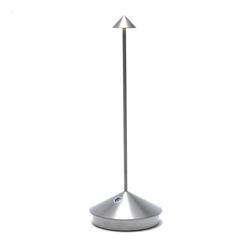
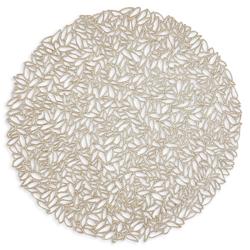
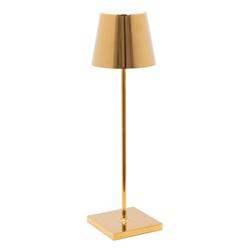
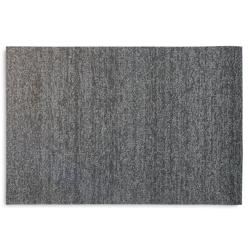
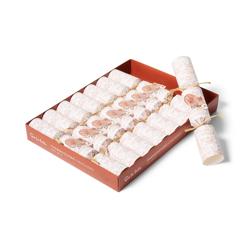
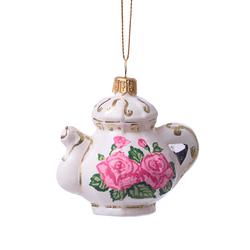
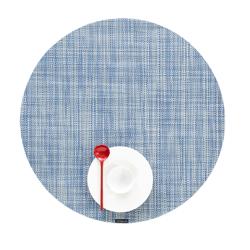
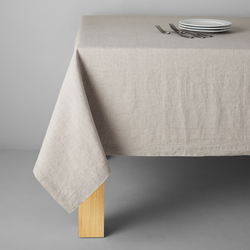
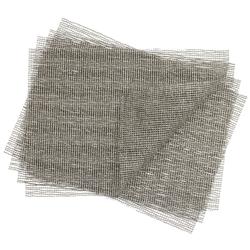
Spring outdoor table decor brings together light-colored linens, floral details, natural textures and accents suited to open-air dining. The look can be as simple as a patterned runner across a patio table or as layered as coordinated place settings with cloth napkins, woven placemats and a low floral centerpiece. Soft greens, pale blues and blush tones suggest spring without overwhelming the food or the setting, while cream and warm neutrals work comfortably with wood, stone and metal outdoor furniture. For a livelier table, botanical prints and touches of yellow can echo a garden in bloom. These details give everyday lunches, weekend brunches and outdoor celebrations a welcoming setting without making the table feel too formal to use. A pitcher of lemonade, a bowl of citrus and a few short stems can sit naturally alongside decorative pieces, keeping the setting connected to the meal. Texture adds interest, too: a loosely woven runner softens a smooth tabletop, while a crisp napkin provides contrast against a rustic place setting. A single repeating color can connect different patterns, especially when the dinnerware is simple. Floral linens often feel balanced with solid-color napkins, and a patterned plate can stand out against a quieter background. The aim is a table that feels considered but still leaves guests comfortable reaching for bread or passing a serving bowl. Scale makes a difference here. A compact bistro table benefits from a small central accent and a clear surface around each place setting, while a longer dining table can carry several low arrangements spaced between shared dishes. Spring outdoor table decorations are most inviting when their colors and proportions complement the surroundings rather than compete with them. Whether the backdrop is a planted balcony, a covered porch or a backyard patio, a few coordinated elements can make the dining area feel like a natural extension of the home.
Materials determine how well outdoor table decor fits the way a space is used. Cotton and linen bring softness and an easy drape to tablecloths, runners and napkins, although their care requirements and tendency to wrinkle vary by fabric and finish. For meals where spills are likely, washable textiles and stain-resistant finishes can make cleanup more manageable; stain resistance does not mean a fabric is waterproof or protected from every mark. Outdoor-rated synthetic fabrics may be a practical choice for frequent patio use, but the care label should confirm whether they can be machine washed, spot cleaned or left in direct sunlight. Woven accents add a relaxed texture, with an important distinction between natural fibers and materials designed for outdoor exposure. Natural fibers generally benefit from dry storage and protection from lingering moisture. Dinnerware and decorative vessels deserve the same attention. Ceramic and glass offer appealing weight and texture for a sheltered meal, while lightweight, break-resistant materials can be easier to carry between the kitchen and a busy patio. Break-resistant does not mean unbreakable, and suitability for hot food, dishwashers or microwaves varies by material. A decorative piece also should not be assumed to be food safe unless it is labeled for that purpose. Weather-resistant table accents can tolerate certain outdoor conditions, but that description is not a promise that every piece can stay outside indefinitely. Sun exposure may fade colors, moisture can affect woven materials and some metal finishes need protection from standing water. Bringing decor indoors after entertaining helps preserve its appearance and keeps the next setup straightforward. For candlelight, stable holders with protected flames are better suited to a breezy setting than exposed tapers, and flameless lighting offers another option where open flames are unsuitable. Lighting should remain clear of napkins, foliage and other combustible materials. Practical choices like these let the table retain its spring character while accommodating the realities of outdoor meals: an unexpected splash, a passing breeze or a serving dish that needs a little more room.
Fit is just as important as color when choosing spring patio table decor. A tablecloth should suit the table’s shape and dimensions, with enough overhang to look finished without pooling near chairs or catching beneath guests’ feet. On an umbrella table, a textile designed with an opening and secure closure can sit more neatly around the pole than fabric gathered against it. Runners leave more of the tabletop visible and can be especially useful when the furniture itself has an attractive grain or finish. Placemats help define individual settings, but their footprint matters on narrower tables, where oversized layers can crowd glassware and serving pieces. Centerpieces work best when guests can see across them and conversation does not require leaning around tall stems. Low vessels, modest floral arrangements and sturdy decorative accents keep the focus on the people gathered at the table. On a breezy patio, heavier vessels and secured napkins are more dependable than loose paper accents or lightweight decorations that can scatter. These considerations are useful for a family breakfast outside, a garden lunch with friends or a birthday dinner that stretches into the evening. A flexible palette also makes it easier to adapt the same pieces for different gatherings: understated linens can anchor a casual meal, then pair with more decorative accents for a celebration. For coordinating colors and textures across indoor and outdoor dining spaces,
Spring Table Decor offers a broader seasonal starting point. Table linens and decorative accents can also make thoughtful housewarming or host gifts, particularly when their size, care needs and style suit the recipient’s home. Easy-care pieces are especially useful for someone who entertains often or carries everything outside from a small kitchen. The most satisfying choices bring together a spring-inspired look, manageable upkeep and enough usable table space for a generous meal.