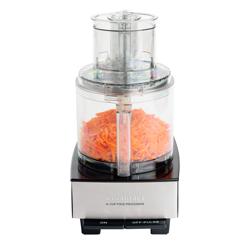
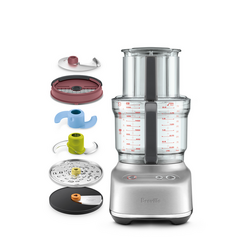
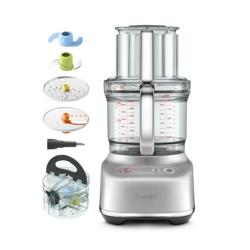
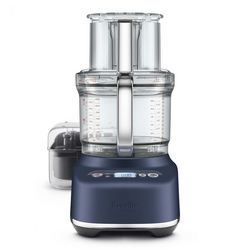
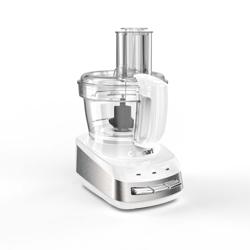
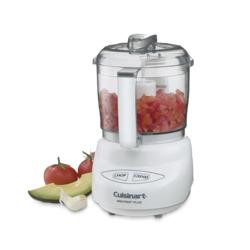
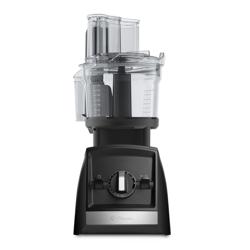
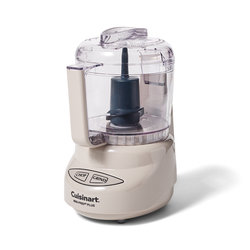
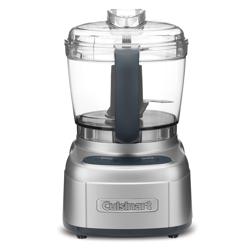
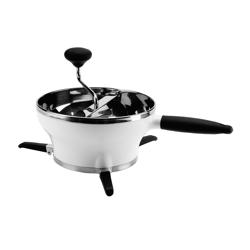
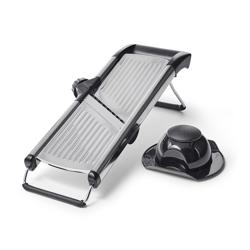
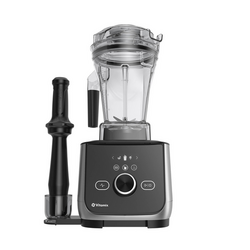
Stainless processors are food processors that use stainless steel in their blades, housing, work bowl or exterior accents. They can help with chopping, slicing, shredding and mixing, depending on their design and attachments, while bringing a clean, understated finish to the kitchen. The word “stainless” does not necessarily mean every component is metal: a processor may pair a stainless steel exterior with a clear plastic work bowl, for example. That distinction matters when comparing both appearance and everyday use. A clear bowl lets you watch onions turn into an even chop or check the texture of a bean dip without lifting the lid. A stainless steel bowl offers a durable food-contact surface, though its opaque sides make it harder to monitor ingredients at a glance. Stainless steel blades provide the cutting edges, while the base supports the motor and helps keep the appliance steady during use. For many home cooks, the appeal is less about replacing knife work entirely and more about making repetitive tasks manageable. Shredding a bowlful of carrots, chopping vegetables for a large pot of soup or preparing several batches of pesto can become a smaller part of dinner preparation. Capacity makes a meaningful difference here. A compact processor suits small portions of herbs, dressings and chopped nuts, while a larger work bowl gives bulky ingredients more room to move. The most useful size reflects how much food you usually prepare, not simply the largest capacity that fits on the counter. A household cooking for one or two may value a smaller footprint, while someone who regularly prepares meals ahead may appreciate room for larger batches. Physical fit deserves equal attention: the base, handle and feed tube all affect how comfortably a processor sits in its intended spot. Clearance beneath cabinets and space to remove the lid matter just as much as the appliance’s width. A processor that is easy to reach, assemble and put away is more likely to become part of an everyday routine.
The right combination of blades, discs and controls depends on the food you enjoy making. A chopping blade is useful for coarse salsas, finely chopped aromatics and mixtures such as hummus, although the final texture depends on ingredient size, processing time and the machine’s capabilities. Short pulses offer more control when you want distinct pieces rather than a smooth mixture. Picture a relish with recognizable bits of cucumber and onion, or chopped walnuts that still bring crunch to a loaf cake. Slicing and shredding attachments serve a different purpose, helping produce consistent pieces for slaws, gratins and vegetable fillings. Those attachments are worth considering individually rather than judging a processor by the number of accessories alone. A wide feed tube can reduce the amount of cutting needed before processing, though ingredients still need to fit comfortably and be guided with the supplied pusher. Adjustable slicing settings, when included, provide flexibility for everything from delicate cucumber slices to more substantial potato rounds. Mixing pastry or kneading dough requires closer attention to the manufacturer’s recommendations because not every processor is designed for those heavier tasks. Dough limits may also be lower than the bowl’s stated capacity. Liquid capacity is another separate consideration, especially for dressings and sauces that could leak if the bowl is overfilled. A food processor is particularly useful when controlling texture matters; a blender may be better suited to some pourable drinks and very smooth liquid mixtures. Neither appliance needs to do every job to earn its place in the kitchen. Controls that feel straightforward, a handle that is comfortable to hold and parts that lock together without awkward maneuvering all contribute to an easier cooking experience. A stable base also matters when working through firm vegetables or thicker mixtures. For someone who cooks frequently, these practical details can be more valuable than an extensive collection of attachments that rarely leave the cupboard. The goal is a processor that makes familiar meals easier while leaving room to try something new.
Care and storage help determine how well a stainless processor fits into daily life over time. Stainless steel resists corrosion, but it still benefits from prompt cleaning and thorough drying, particularly after contact with salty or acidic ingredients. Exterior finishes may show fingerprints, water spots or smudges, and a soft cloth is generally a better choice than an abrasive pad. Cleaning along the grain, when visible, helps maintain the appearance of brushed stainless steel. The motor base should not be immersed in water, and removable bowls, lids, blades and discs should be cleaned according to the manufacturer’s instructions. Dishwasher suitability can vary by component, so a stainless steel finish alone is not a reason to assume every part is dishwasher safe. Sharp blades deserve careful handling during washing and storage, with cutting edges kept protected rather than loose in a drawer. Food caught around lid seals, feed tubes and handles can add to cleanup time, making accessible surfaces and easily separated parts useful features. It also helps to have a dry, designated place for attachments so the disc needed for a quick slaw is easy to find. Durability involves more than the appearance of the base: bowl construction, secure fittings, intended workload and proper use all contribute to long-term performance. Access to compatible replacement parts may be another consideration for cooks who expect to use a processor often. For a housewarming or wedding gift, a stainless processor can be a thoughtful choice when the recipient’s cooking habits and kitchen space are known. It may be especially welcome for someone who enjoys vegetable-centered meals, homemade dips or preparing ingredients ahead of a busy day. Complementary tools such as
Stainless Steel Mills bring freshly ground seasoning to the final stages of preparation, after chopping and mixing are complete. Whether the next task is shredding cabbage for tacos or making a spread for sandwiches, a well-chosen processor supports the way its owner actually cooks. Its value comes from useful results, comfortable handling and cleanup that feels manageable after the meal is made.