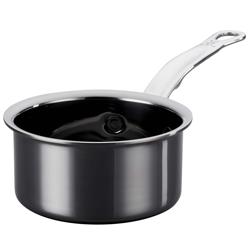
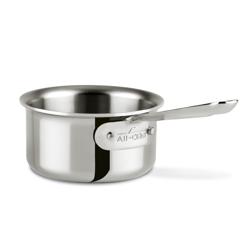
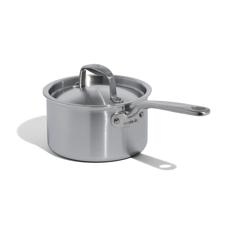
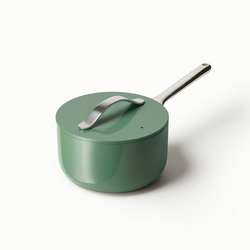
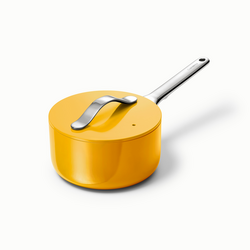
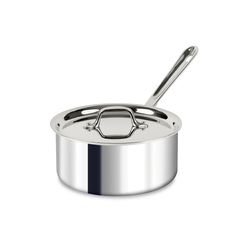
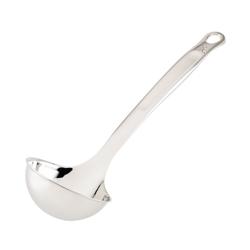
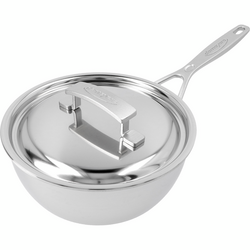
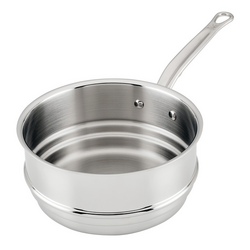
A stainless steel butter warmer is a small saucepan designed for melting butter, warming syrup, heating milk and preparing small batches of sauce. Its compact size makes it useful whenever a full-size saucepan feels larger than the task requires. A few tablespoons of butter for brushing pastry, a little maple syrup for pancakes or a spoonful of sauce for a plated dinner can be easier to manage in a vessel sized for the amount. For cooks who regularly steam seafood, bake bread or finish vegetables with melted butter, a butter warmer can become an everyday part of the cooking routine. Picture butter melting gently with minced garlic for shrimp, or a small portion of milk warming before it goes into mashed potatoes. The same pan can hold a quick lemon-butter sauce for fish or warm cream to stir into a soup just before serving. Stainless steel is generally nonreactive, making it a practical cooking surface for preparations that include ingredients such as lemon juice or wine. Its uncoated interior also lets cooks see changes in color as butter melts and milk solids begin to brown, although careful attention is still important. These pans are intended for modest quantities rather than large batches, so capacity matters as much as the overall footprint. A warmer should comfortably hold the amount being heated with room left for stirring, bubbling and pouring. A smaller vessel may suit butter for a single meal, while a little more capacity can be helpful for sauces served with several portions. Too much empty pan around a small amount of butter can make gentle heating harder to control, while an overly full pan can be awkward to move. For home bakers, breakfast enthusiasts and anyone who enjoys making a finishing sauce rather than opening a jar, stainless steel butter warmers fill a useful space between a ladle and a standard saucepan. Their purpose is straightforward: keeping small cooking tasks manageable without bringing out a larger piece of cookware.
The details that distinguish one butter warmer from another have a direct effect on how it feels at the stove. Stainless steel is valued for its strength and resistance to corrosion, but it does not conduct heat as readily as aluminum or copper. Construction therefore deserves a closer look. Some designs incorporate a heat-conductive core or base to help distribute warmth, while others use simpler stainless steel construction. Neither the shine of the finish nor the weight alone tells the whole story; the material layers, base design and intended heat source are more useful points of comparison. Gentle, controlled heat is especially important when melting butter or warming dairy. Butter can progress from melted to browned and then burned, and milk can scorch or foam up if left unattended. A butter warmer offers convenient proportions, not automatic temperature control. Burner fit is another practical consideration. On a gas stove, the flame should stay beneath the base rather than climb the sides or reach the handle. With induction, compatibility depends on the pan’s construction, and a very small base may not meet a cooktop’s minimum detection size even when the material is magnetic. Manufacturer guidance is the best reference for both compatibility and burner requirements. Handle shape also affects everyday comfort. A secure grip helps when moving a small amount of hot liquid, and useful clearance between the handle and the pan can make pouring feel less cramped. Handles may become hot, so a dry oven mitt or potholder belongs within reach. A pouring lip, when included, can help direct melted butter into a ramekin or syrup over a stack of waffles, but it still takes a steady hand. The opening should also leave enough room for the utensil used most often, whether that is a small whisk for sauce or a spoon for stirring. These are worthwhile details for cooks with limited cabinet space, too: a compact pan earns its place when its capacity, balance and shape suit the jobs it will actually do.
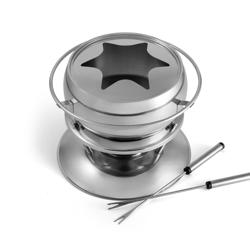
With appropriate care, a stainless steel butter warmer can handle frequent use without depending on a coating that must be protected from wear. Stainless steel is durable rather than indestructible, and a few simple habits help preserve both its appearance and performance. Allow the pan to cool before washing instead of putting a hot vessel directly into cold water. Warm water, mild dish soap and a nonabrasive sponge are usually a good starting point for cleanup; a short soak can loosen butter residue or milk that has caught on the bottom. Abrasive pads and harsh cleaners can damage the finish, while thorough rinsing and drying help reduce water spots. Dishwasher suitability varies by construction and handle material, so care instructions should determine whether machine washing is appropriate. Discoloration does not always mean a pan is worn out, but persistent marks are best treated with a cleaner approved for stainless steel and used according to its directions. Storage is another small consideration with lasting benefits: avoid wedging the handle under heavier cookware or allowing stacked pieces to scrape against the interior. Beyond routine care, matching the vessel to the occasion keeps expectations clear. A stovetop butter warmer is useful for preparing a sauce before a meal, but it is not necessarily designed to keep food warm throughout a long dinner. For shared dipping at the table, a
stainless steel fondue pot is a different category to consider, with attention to its intended ingredients and heating setup. A butter warmer’s appeal lies in smaller, everyday moments: melted butter ready for a pastry brush, warm syrup poured into a serving pitcher or a pan sauce divided between two plates. That practical role can also make it a thoughtful housewarming or wedding gift for someone who enjoys cooking. The most useful choice is one that fits the recipient’s stove, usual portions and preferred way of cooking, with comfortable handling and care requirements that suit daily life.