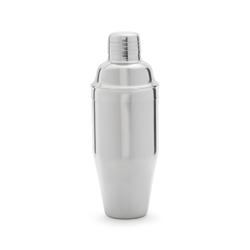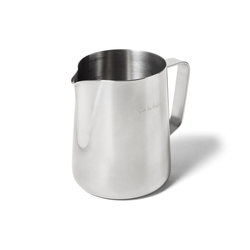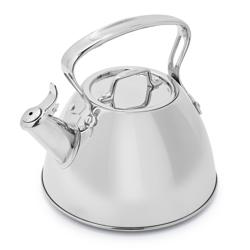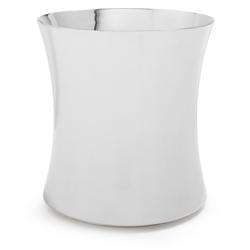
Stainless steel drinkware brings durability and everyday usefulness to the drinks that keep a routine moving, from coffee at the breakfast table to water within reach of a busy desk. The material resists rust and corrosion, stands up well to frequent handling and offers an alternative to glass when breakage is a concern. It also has a clean, understated look that works comfortably alongside ceramic dinnerware, wood serving pieces and other kitchen essentials. Different constructions serve different purposes, so the stainless steel exterior is only part of the story. Single-wall drinkware is generally lighter and more compact, but the outside can become hot or cold as it takes on the temperature of the contents. Double-wall designs add separation between the beverage and the outer surface, while vacuum-insulated styles help slow heat transfer to keep drinks hot or cold longer. Performance depends on the construction, lid and way the vessel is used; stainless steel alone does not make a cup insulated. For someone who takes time over a morning coffee, insulation can help preserve the drink between sips. For water served with a meal, a simple open cup may be all that is needed. The drinking experience matters, too. A smooth, comfortable rim, a balanced base and a shape that feels natural in the hand can make drinkware more pleasant to use every day. Unlined stainless steel interiors are generally neutral in flavor, although thorough cleaning remains important when alternating between coffee, tea and water. Exterior finishes offer another point of distinction: brushed surfaces have a subtle texture, polished steel has a reflective appearance and coated finishes add color. Choosing among them is as much about how the drinkware feels and fits into daily life as how it looks on a shelf. A cup used at the dinner table has different demands from a bottle carried between appointments, and the most useful choice is the one whose construction suits its regular job.
Size, shape and lid design help determine whether stainless steel drinkware fits that job comfortably. Capacity should match a typical serving rather than simply favoring the largest option. A smaller vessel can feel better balanced for coffee, while a larger one may suit someone who prefers fewer water refills throughout the day. Remember that the filled weight matters as much as the empty weight, especially when carrying a drink alongside a laptop, lunch or other essentials. A narrow base may work well in a vehicle cup holder, but checking the actual dimensions is more reliable than assuming any portable style will fit. Height matters under a coffee machine, inside a cabinet and on a crowded desk. Handles can provide a secure grip, though they also take up space; a handle-free shape may slide more easily into a bag pocket. Lid choices deserve the same attention. An open rim makes filling and cleaning straightforward, while a sipping opening offers more control when moving around. Straw lids can be convenient for water, but the straw and its passage need regular cleaning. A lid that limits splashes is not necessarily leakproof, and any drinkware carried sideways in a bag should be designed and labeled for that use. Properly seated seals and fully closed openings are essential to performance. For routines that extend beyond the kitchen, explore
Travel Drinkware with carrying comfort and the intended destination in mind. Someone taking coffee on a commute may value easy access to a sipping opening, while someone carrying water to a workout may prefer a secure closure and a comfortable grip. At home, stability and ease of handling may matter more than portability. A broad opening also makes it easier to add ice or reach the interior with a brush, though the opening should still feel comfortable to drink from. These practical details turn a material preference into drinkware that earns a place in a daily routine.
Thoughtful care helps stainless steel drinkware stay useful and pleasant to reach for. Cleaning instructions vary with insulation, exterior finishes and lid construction, so follow the manufacturer’s recommendations rather than assuming every stainless steel vessel is dishwasher safe. Some can go in the dishwasher, while others need hand-washing to protect coatings, seals or insulated construction. Warm water, mild dish soap and a soft sponge or bottle brush are a practical starting point when hand-washing is recommended. Pay attention to the areas that are easy to overlook: the underside of a lid, the edge of a sipping opening and the channels around removable seals. Milk, coffee residue and sweetened drinks can collect there even when the main interior looks clean. Remove washable lid components only as directed, rinse thoroughly and let everything dry before reassembly or storage. Keeping a lid off during drying helps moisture escape. Avoid abrasive scrubbers that can scratch the finish, and use only cleaning methods approved for the drinkware when tackling stubborn stains or odors. Stainless steel belongs outside the microwave; transfer a beverage to a microwave-safe container if it needs reheating. Insulation can also keep hot drinks hot enough to burn, so check the beverage before taking a full sip. Durable does not mean indestructible: drops can leave dents, damage a lid or affect an insulated vessel’s performance. Choosing drinkware with replaceable lid components, when offered, may help extend its useful life. Stainless steel drinkware can also make a thoughtful gift when it reflects the recipient’s habits. A comfortable coffee cup suits someone who enjoys a leisurely breakfast, while an easy-to-carry water vessel can be useful for a student, commuter or frequent traveler. For a housewarming or birthday, consider cabinet space, preferred serving size and willingness to clean extra lid parts rather than choosing on appearance alone. Whether intended for a gift or everyday use, well-chosen stainless steel drinkware balances a comfortable drinking experience with manageable care, helping make each refill a simple part of the day.