-
(13)
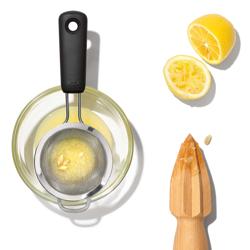
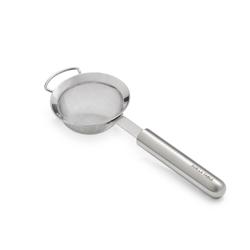
A 6" stainless steel strainer with fine mesh for straining juices, berries, pasta, and more.
Pros: well-made, good quality, durable
-
(2)
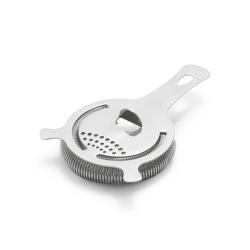
A silver stainless steel Hawthorne strainer with a heavy-duty spring for perfect craft cocktails.
Pros: well finished, fits mixing pitcher, well made
-
(2)
A stainless steel mini strainer with a wide hanging loop for easy food separation.
Pros: perfect size, reliability, beautifully made
-
(10)
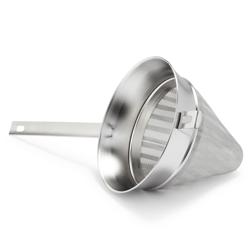
A professional-quality silver chinois made of stainless steel for quick and efficient straining.
Pros: usefulness, effective sieve, strong
-
(58)
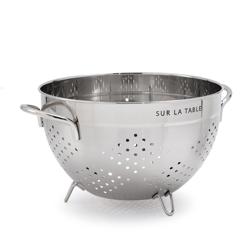
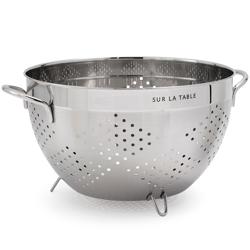
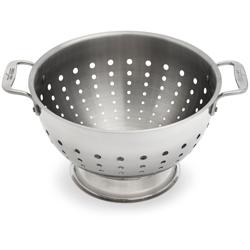
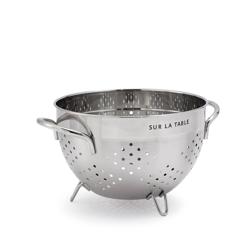
A durable and versatile stainless steel colander with stable feet and easy-to-use handles.
Pros: sturdiness, easy to clean, well made
-
(45)
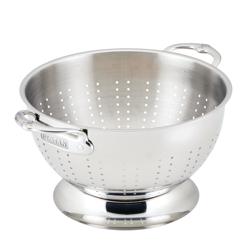
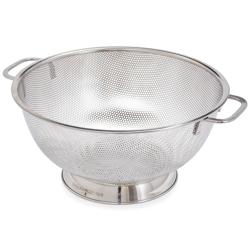
A professional-grade silver colander with die-cast handles and durable stainless-steel construction for easy straining.
Pros: durable, sturdy, versatility
-
(41)
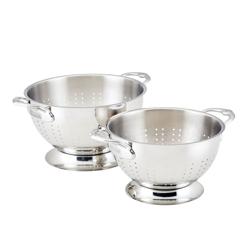
A set of silver stainless steel colanders with precision-drilled perforations for efficient draining and easy handling.
Pros: quality, durable, sturdy
-
(46)
A durable stainless steel mesh sieve in silver, available in a 3" size for versatile kitchen use.
Pros: easy to clean, durable, quality
Stainless Steel Strainer
Strainers are versatile kitchen tools designed to make cooking easier and more efficient. They are ideal for straining pasta, vegetables, and other ingredients from hot water or oil. They are also perfect for sifting flour and other dry ingredients. The stainless steel material is strong and durable, making it a great choice for the kitchen. Here are some great options.

Stainless Steel Strainer
FAQ List
Yes, a stainless steel strainer can be used for deep frying. Its sturdy construction and heat-resistant properties make it suitable for safely straining hot oil and removing fried foods from the fryer.
Yes, most stainless steel strainers are dishwasher safe. However, it is recommended to refer to the manufacturer's instructions to ensure proper care and maintenance for your specific strainer.
Absolutely! A stainless steel strainer with fine mesh is ideal for brewing loose leaf tea. It effectively filters out tea leaves while allowing the flavors to infuse into the hot water, resulting in a delicious cup of tea.
Yes, a stainless steel strainer is great for draining canned foods such as beans, vegetables, or fruits. The small holes in the mesh prevent the food from slipping through while allowing liquids to drain away easily.
Absolutely! A stainless steel strainer is perfect for rinsing quinoa, rice, or any other grains. Its fine mesh effectively removes impurities and excess starch, resulting in cleaner and fluffier cooked grains.
-
"My Go-To Sm-Med Colander The Best"
-
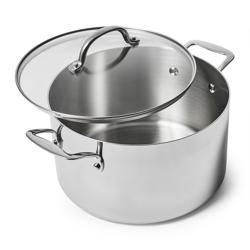
"I love this pot"
-
"This is the greatest kitchen accessory ever...best thing since sliced bread"
-
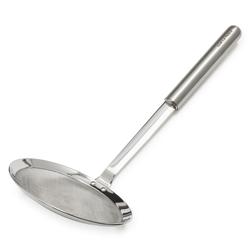
"Best skimmer I've ever have. Easy to clean and rinses up well"
-
"have had only a few disappointments with an OXO product, but this is most definitely one of their best"