-
(110)
I love every class I take!...Love all the cooking classes at Sur la Table. Always a fun date with my husband
Pros: fun, delicious meal, enjoyment
-
(79)
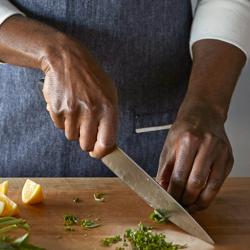
We always love the date nights. . Loved the company-You get to meet fun people....Chef Bre is the absolute best!...Chef Bre showed us that we can make great food at home with the right ingredients and technique.
Pros: fun experience, fun, educational
-
(73)
Great class, unfortunately you cannot bring your own wine anymore to drink with the dinner....had a great time, except for no wine with our food....Great instructor...Great class.
Pros: great instructor, food amount, great time
-
(9)
It was So Fun with the best instructor ! She was so helpful and nice ?...d great!...Chef Michael was awesome; great instructor and fun. The recipes are fantastic. Very enjoyable!!
Pros: informative, fun, delicious meal
-
(2)
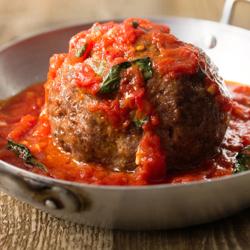
Cooking Class Description: Enjoy a night of elegant eats in this Date Night class! Great for celebrating an anniversary, birthday or any special occasion, you and your partner will cook a delicious menu of Italian favorites. Our chef instructor will...
Pros: delicious meal, informative, fun instructor
-
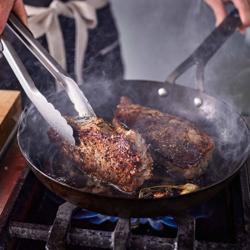
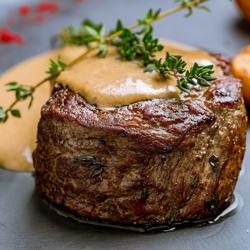
Cooking Class Description: Come celebrate alongside us with a menu as special as the milestone. You and your partner will cook a truly luxurious dinner from start to finish, guided by your chef instructor. Sear a petite filet and finish it with a bold...
-
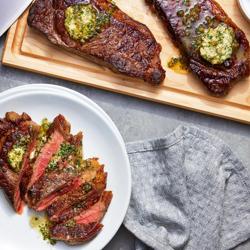
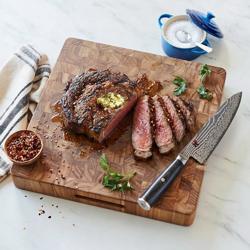
Cooking Class Description: Create a restaurant-worthy meal together in this elevated date night. You’ll sear chili-crusted ribeye to perfection and finish it with melting herb compound butter, grill zucchini and pair it with creamy harissa yogurt and...
-
Cooking Class Description: Transport yourselves to the Italian countryside for a night of rustic flavor and effortless technique. You'll learn the art of preparing steak the Italian way, simply seasoned with olive oil, lemon and rosemary and seared to...
-
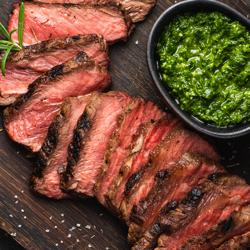
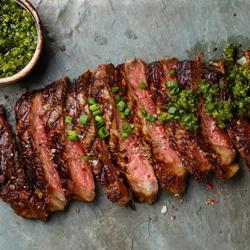
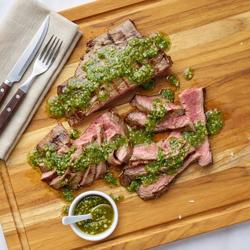
Cooking Class Description: Celebrate the last lingering warmth of summer with a menu that captures the season at its peak. You'll sear skirt steak and pair it with a vibrant from-scratch salsa verde. A farro risotto enriched with red wine and fresh thyme...
-
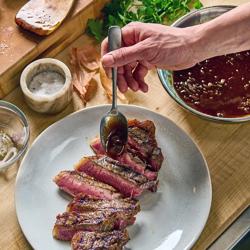
Cooking Class Description: Make a flavorful meal without even touching your oven! This class delves into delicious seasonal fare, ideal for summer gatherings. Our chef instructor will walk you through grilling a steak, pairing it with a freshly made...
Steak And Gourmet Holiday Classes
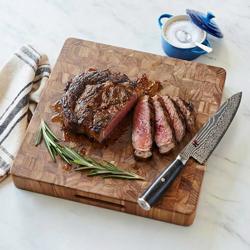
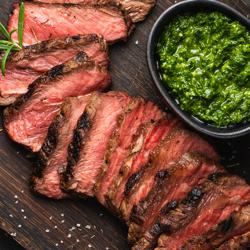
Steak And Gourmet Holiday Classes offer a hands-on way to elevate your celebrations with unforgettable flavors and techniques. Whether you’re looking to master the perfect sear or explore elegant side dishes, these classes make it easy to bring restaurant-quality meals to your own table. Discover the confidence and creativity that comes from cooking alongside expert instructors and enjoy sharing delicious moments with friends and family this holiday season.

Steak And Gourmet Holiday Classes

-
"Love the classes, I see lot for date nights"
-
"Chef Bre showed us that we can make great food at home with the right ingredients and technique"
-
"Love all the cooking classes at Sur la Table. Always a fun date with my husband"
-
"Chef Bre showed us that we can make great food at home with the right ingredients and technique"
-
"Great class, unfortunately you cannot bring your own wine anymore to drink with the dinner"