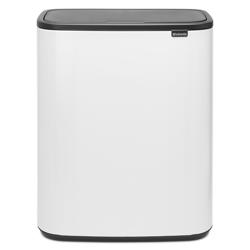
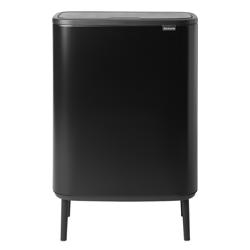
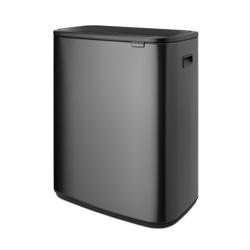
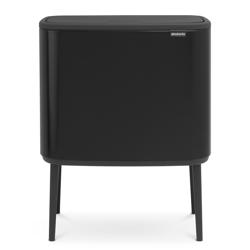
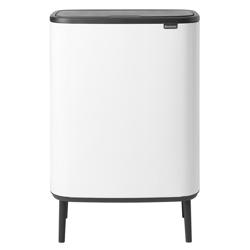
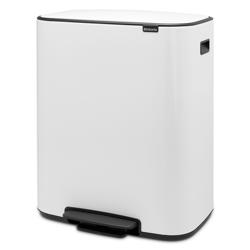
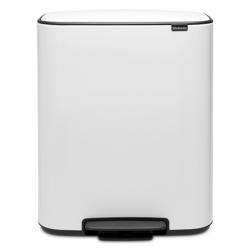
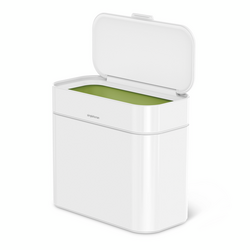
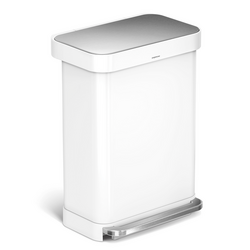
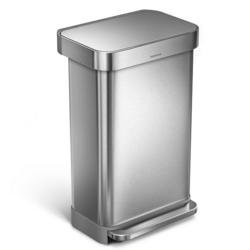
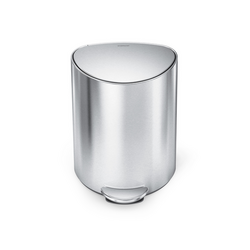
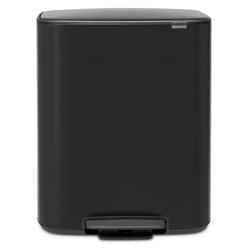
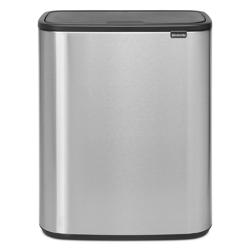
Steel touch top garbage bins combine a steel body with a lid that opens with a light press, keeping everyday waste covered between uses. Unlike a pedal-operated trash can, a touch top bin opens at the lid rather than at the base; unlike a sensor-operated model, it does not rely on motion detection to open. That simple operation suits kitchens where a bin gets frequent use, from clearing breakfast dishes to gathering vegetable trimmings before dinner. Depending on the design, the lid may remain open while you work, making it easier to collect several handfuls of scraps without repeatedly opening the bin. A touch mechanism still requires contact, so it should not be confused with a hands-free opening system. Stainless steel is a practical material for the outer body because it resists corrosion under normal indoor conditions and coordinates easily with appliances, cabinet hardware and other kitchen essentials. Brushed finishes have a softer appearance than highly polished steel, while coated finishes can bring a more understated look to an exposed corner. Fingerprint-resistant coatings, when included, help reduce visible handling marks, but they do not eliminate the need for cleaning. The lid, rim and touch point tend to need the most attention after food preparation. A soft cloth with mild soap and water is generally a good starting point for exterior care, followed by drying to prevent water spots; the manufacturer’s care instructions should take priority, especially for coated surfaces. Abrasive pads, harsh cleaners and prolonged contact with bleach can damage certain finishes. Steel gives the bin a sturdy outer shell, though the hinge, latch and other moving parts also influence how well it holds up to daily use. A smoothly operating lid and a stable base matter as much as the finish when the trash can becomes part of a busy kitchen routine.
The right fit depends on more than how much trash a bin holds. Its footprint, shape and lid movement all affect how comfortably it works in the room. A narrow rectangular body can sit neatly beside a cabinet or along the end of an island, while a round bin needs space around its curved sides. A bin placed near the sink offers a convenient landing spot for packaging and food scraps, but it should not block a dishwasher door, cabinet drawer or the path between the sink and stove. Touch top lids often open upward, making overhead clearance especially important beneath a counter overhang or shelf. The space behind the bin can matter, too, if the hinge moves the lid toward the wall. Both the closed dimensions and the room needed for the fully open lid deserve attention before settling on a location. Capacity should reflect the household’s routine rather than the size of the kitchen alone. Someone who cooks most meals at home may produce more packaging and preparation waste than a larger household that separates food scraps for composting. A smaller bin can encourage more frequent emptying, while a larger one can reduce bag changes during meal preparation or when several people share the kitchen. Households that need more room for everyday waste can explore
Large Touch Lid Garbage Bins with capacity and placement in mind. A larger body should still leave enough room to reach the lid, remove the liner and carry a full bag out without scraping nearby cabinetry. Capacity also does not tell the whole story: a tall, narrow interior and a shorter, wider interior can hold the same volume but accommodate bulky packaging differently. For an apartment, shared office kitchen or compact pantry area, a modest footprint may be more useful than extra capacity.
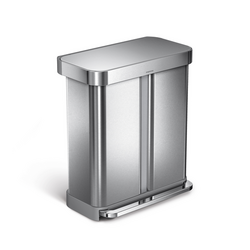
The details inside a steel touch top trash can often make the biggest difference during bag changes and cleanup. A removable inner bucket, when included, lets you lift the liner out of the steel shell and wash the area where leaks or crumbs collect. Handles can make that task easier, particularly when the bucket fits closely inside the body. Other designs hold the bag directly within the outer bin, so access to the rim and the way the liner is secured become more important. A well-fitting liner stays in place when waste drops in and leaves enough material at the top for tying the bag closed. Too much excess plastic can bunch around the rim or interfere with the lid, while a liner that is too short may slip down into the bin. Compatibility with ordinary trash bags or a specified liner size is worth considering as part of everyday use. Where separate compartments are included, they can help keep household trash and recyclable packaging in one location, although the usable capacity of each compartment matters more than the combined total. Local recycling requirements still determine what belongs in each section. Covered storage helps keep waste out of sight, but a closed lid is not a substitute for emptying food scraps regularly or cleaning spills. Nor should a touch latch be assumed to be childproof or secure against a determined pet. For durability, a protective base or floor ring can help limit contact between the steel body and the floor, while gentle handling helps protect the lid mechanism from strain. Avoid compressing waste against the underside of the lid or forcing it shut over an overfilled bag. These bins suit home cooks, families, roommates and anyone who wants a tidy place for routine kitchen waste. They can also make a useful housewarming gift when the recipient’s space, preferred finish and waste-sorting habits are known. The most practical choice is one that fits naturally into the room and makes the small, repeated tasks of opening, emptying and cleaning feel straightforward.