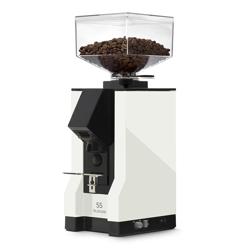
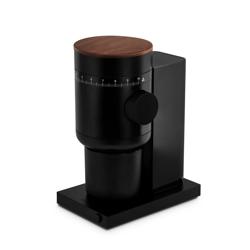
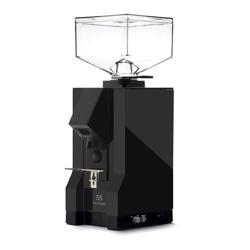
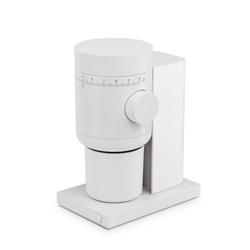
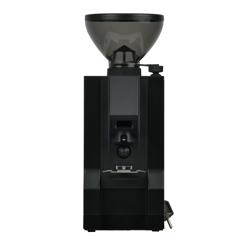
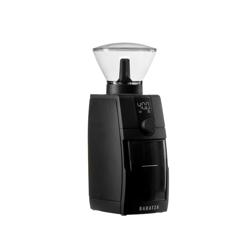
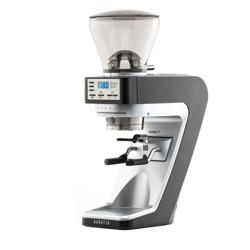
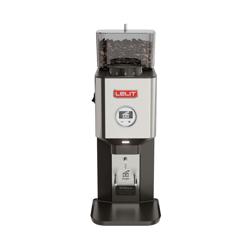
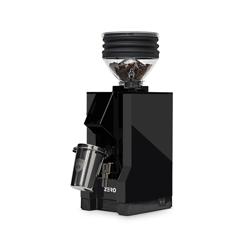
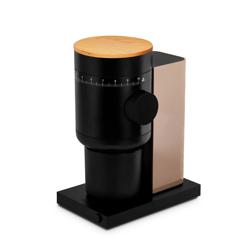
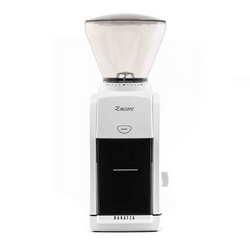
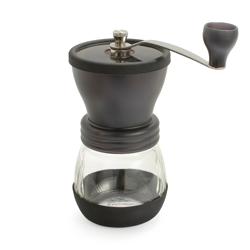
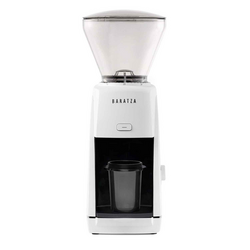
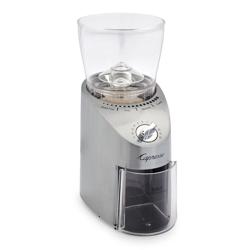
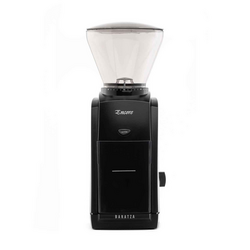
Stepless espresso grinders use continuous grind adjustment rather than preset clicks, allowing very small changes in grind size to help control espresso flow and extraction. That flexibility is particularly useful for espresso, where a slight adjustment can affect how quickly water moves through a compact bed of coffee. When one fixed step is too coarse and the next is too fine, a continuous adjustment system gives you room to work between them. A stepless mechanism does not mean a grinder has no markings; many designs include numbered scales or reference points, even though the adjustment itself is not limited to fixed steps. It also does not guarantee better espresso on its own. Fresh coffee, a capable espresso machine and consistent preparation all play a part. The appeal is having finer control when those other elements are in place. For someone making a straight espresso each morning, that control can help refine the balance of sweetness, acidity and bitterness. For cappuccino or latte drinkers, it can help produce an espresso base with enough definition to remain noticeable beneath steamed milk. Coffee also changes after roasting and once a bag is opened, so the setting that worked beautifully several days ago may need a small adjustment later. Different beans and roast levels introduce their own variables, making precise adjustment especially useful for people who enjoy trying new coffees. Many stepless espresso grinders are designed around the fine grinding and convenient dosing that espresso preparation requires, although the usable grind range varies by design. A grinder intended mainly for espresso is not necessarily the best match for frequent switches to French press or pour-over. Reference markings help record a starting point, but returning to that mark may still require a little fine-tuning. For an espresso-focused setup, the main benefit is straightforward: more room to make the small adjustments that matter in the cup.
Beyond the adjustment mechanism, burr construction, dosing style and physical fit shape how a grinder feels to use every day. Both flat and conical burrs appear in espresso grinders, and either design can produce excellent results when properly engineered and aligned. Burr shape alone does not determine flavor, consistency or overall quality. Hardened steel is a common burr material, while housings may combine metal components with durable plastics. A substantial metal body can provide a stable base, but weight and exterior finish tell only part of the durability story; internal construction, service access and replacement burr options matter, too. The adjustment control should be easy to reach, with enough precision to make small changes without feeling awkward beside the espresso machine. Countertop fit includes more than width and depth. A tall bean hopper may need additional clearance beneath cabinets, and a removable lid needs room to lift. At the grinding outlet, the distance to a portafilter fork or dosing cup affects how comfortably grounds can be collected. Portafilter compatibility is worth checking, particularly with smaller home machines, since a support fork is not necessarily universal. Dosing features deserve the same practical attention. Timed dosing runs the grinder for a selected interval, while weight-based dosing, where offered, measures the coffee dispensed. Neither feature changes the basic purpose of stepless adjustment, but each can influence the rhythm of preparing several drinks. Hopper-fed operation suits a household that uses the same beans throughout the day. A single-dose design suits someone who weighs beans for each shot or regularly alternates between regular and decaffeinated coffee. Low retention, meaning less ground coffee left inside the grinder, can be helpful for that routine, though single dosing does not automatically guarantee it. Sound level, grounds containment and access to controls are also meaningful considerations, especially when the coffee station shares space with meal preparation or a busy breakfast counter.
Daily care helps preserve both performance and the pleasure of using a well-chosen grinder. Coffee oils and fine particles collect around burrs and inside the grounds path, making accessible cleaning areas a practical advantage rather than just a technical detail. Removable hoppers, clearly explained maintenance procedures and manufacturer-supported replacement parts can make long-term ownership easier. Cleaning methods vary, so the manufacturer’s instructions should determine how burrs are accessed and which tools or cleaning products are appropriate. Grinding components generally need dry cleaning rather than rinsing, and washed removable parts should be completely dry before reassembly. An exterior that wipes clean easily is useful where stray grounds tend to gather around the base or behind the dosing cup. Some coffee remaining inside a grinder is normal, but excessive buildup can affect freshness and make switching beans less predictable. Durable burrs still wear with use, so serviceability matters for a household preparing several drinks every day. The best everyday fit also depends on the person making those drinks. Someone who enjoys weighing a dose, watching the espresso flow and making a small adjustment may appreciate the flexibility of a stepless system. A household that values a repeatable morning routine may place greater emphasis on clear controls and convenient dispensing. For a gift, compatibility with the recipient’s espresso machine, available counter space and preferred preparation style is more useful than choosing by appearance alone. A stepless grinder can be a thoughtful choice for an espresso enthusiast building a dedicated coffee station or refining an established setup, provided hands-on adjustment is part of the appeal. The broader
espresso grinder assortment offers another point of comparison for matching grind control with daily habits. Whether the routine centers on one carefully prepared shot or a round of milk drinks, a grinder that fits the space, supports consistent dosing and is straightforward to maintain makes precision easier to use every day.