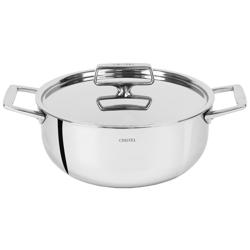
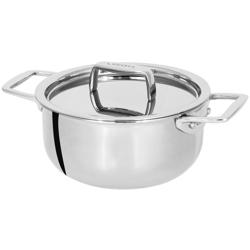
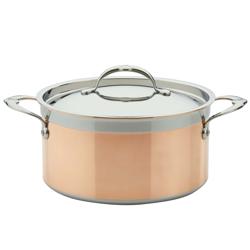
Stewpots make thoughtful Valentine’s Day cookware gifts for home cooks who enjoy soups, slow-simmered stews and meals made in a single pot. Their roomy interiors hold broth, vegetables and larger cuts of meat, while a well-fitting lid helps limit moisture loss during longer cooking. For someone who loves feeding a partner, family or friends, a stewpot supports the kind of cooking that brings people to the table: beef stew with tender carrots, white beans with rosemary or a tomato-rich seafood stew served with crusty bread. It is a practical gift with a personal connection, especially when it reflects the dishes the recipient already loves to make. A cook who regularly doubles a soup recipe has different needs from someone preparing a quiet dinner for two, so capacity matters as much as appearance. A pot in the four- to six-quart range may suit a smaller household that enjoys leftovers, depending on the recipe, while a larger pot gives batch cooks more room. Enough space above the food makes stirring easier and helps reduce splashes, though the pot should still feel manageable when full. Shape also affects everyday use. A broad cooking surface gives ingredients room to brown before liquid goes in, while deeper sides accommodate generous amounts of broth without taking up as much stovetop space as an equally roomy, wider pot. Those details make the difference between cookware that comes out for special occasions and a piece that earns a regular place in the kitchen. Color and finish can add another thoughtful touch, whether the recipient prefers a bright accent or a more understated look. The best fit is cookware that feels at home with their existing kitchen tools and cooking habits. For Valentine’s Day, that might mean a pot suited to a favorite shared recipe, with enough room to make an extra portion for lunch the next day.
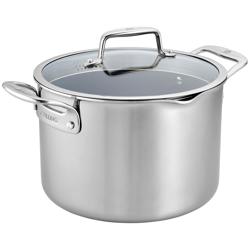
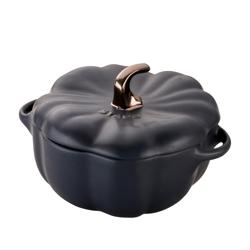
Materials influence how a stewpot heats, how much it weighs and how it needs to be cared for. Enameled cast iron retains heat well, making it useful for gentle simmering and dishes that spend time in the oven when the manufacturer’s instructions permit it. Its enamel surface does not require the seasoning associated with bare cast iron, although it still benefits from careful handling and gradual temperature changes. The weight is worth considering for anyone who moves cookware between the stove, sink and oven, particularly when the pot is filled with food. Stainless steel offers a durable cooking surface for browning meat, sautéing aromatics and deglazing with broth or wine. Construction matters here: a layered body or a base incorporating a conductive metal, such as aluminum, helps distribute heat more evenly than stainless steel alone. Stainless steel cookware is also generally lighter than a similarly sized cast iron pot, though actual weight varies by construction. Nonstick interiors can make food release and cleanup easier, but their coatings require suitable utensils and attention to heat limits. For any material, compatibility with the recipient’s cooktop is essential. Induction cooking requires a compatible magnetic base, and a flat bottom helps cookware sit securely on a smooth cooking surface. Oven-safe temperatures can differ between the pot, lid and knobs, so the lowest applicable limit governs how the cookware can be used. These practical details are especially important for dishes that begin with stovetop browning and finish with a covered braise. Handles deserve equal attention: a comfortable shape and sufficient clearance make it easier to get a secure grip with dry oven mitts. A lid that seats properly supports steady simmering, while a glass lid can make it easier to check progress without uncovering the food. Overall dimensions matter beyond capacity, too. A stewpot should fit the intended burner, leave room for other cookware and sit comfortably on an oven rack if oven use is part of the plan.
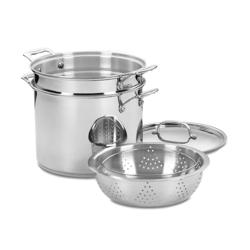
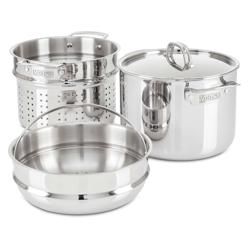
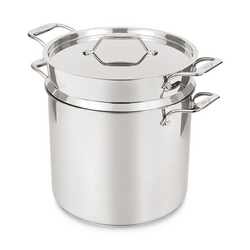
A well-chosen Valentine’s Day stewpot gift should also suit the recipient’s approach to care. Someone who cooks frequently may appreciate a durable surface that tolerates regular use, but durability does not mean every material can be treated the same way. Allowing cookware to cool before washing helps prevent thermal shock, and soaking stubborn residue is often gentler than aggressive scrubbing. Nonabrasive cleaning tools help protect enamel and nonstick finishes, while stainless steel may need a cleaner intended for that material to address discoloration or lingering marks. Dishwasher suitability varies, so care instructions are a better reference than assumptions based on appearance. Storage is another everyday consideration: a heavy pot is easier to retrieve from an accessible shelf, and a protective layer between stacked pieces can help prevent surface damage. These small details support a gift that remains useful well beyond Valentine’s Day dinner. For a newer cook, a stewpot offers room to build familiar techniques, from softening onions without scorching them to maintaining a gentle simmer rather than a rolling boil. For an experienced cook, it can provide the capacity or cooking surface needed for a favorite braise, a long-simmered ragù or a generous pot of lentil soup. Recipients who spend more time boiling pasta, steaming vegetables or preparing several components may also find useful options among
multipot cookware gifts for Valentine’s Day. The distinction comes down to how they like to cook and the tasks their cookware needs to handle. A stewpot is particularly well suited to recipes that develop in stages, with browned ingredients, fragrant aromatics and liquid coming together in the same vessel. Paired with the thought of a familiar meal or a recipe to try together, it makes a Valentine’s Day gift grounded in everyday enjoyment: something useful for dinner, generous enough for sharing and chosen with the cook in mind.