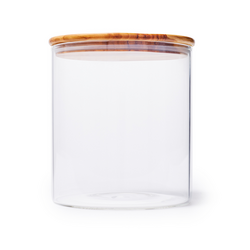
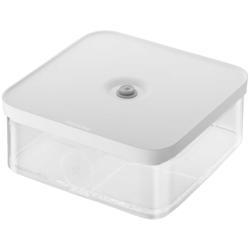
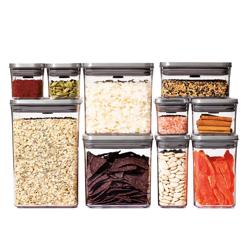
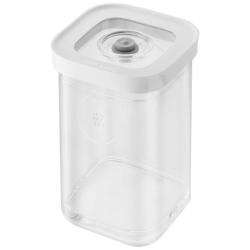
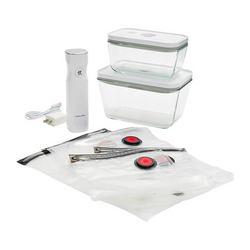
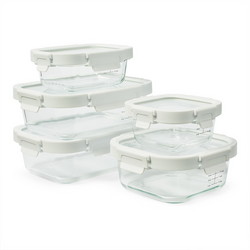
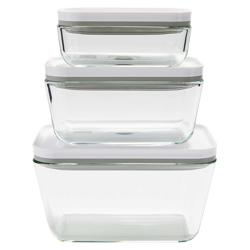
A storage canister is a simple kitchen essential for keeping everyday staples organized, protected and easy to reach. Flour, sugar, rice, pasta, coffee, tea, cereal, grains, nuts and baking ingredients all benefit from being moved out of their original bags and into containers with secure lids. An airtight seal helps block air and moisture, which can preserve texture and flavor while helping keep pantry pests away. It also keeps fine ingredients from absorbing nearby odors, so your coffee does not take on the scent of spices and your brown sugar is less likely to harden into a solid block. Clear glass makes it easy to see when supplies are running low and brings a clean, orderly look to open shelving, while lightweight plastic is convenient for busy households, children’s snacks and shelves where every ounce matters. Ceramic canisters offer a substantial feel and a more traditional presence on the counter, making them especially appealing in kitchens with warm, classic finishes. When choosing a storage canister, start with the ingredients you use most often and the places where you plan to keep them. A tall container can hold spaghetti, long-grain rice or flour, while a shorter, wider shape is better suited to oats, cookies, coffee beans or ingredients you measure by the scoopful. Wide openings make it easier to fill a container without a funnel, reach the last handful of cereal and clean the interior thoroughly. Look for lids that fit securely and gaskets made from silicone or another flexible material when freshness is a priority. Stackable square and rectangular shapes can make better use of pantry shelves than round containers, especially in compact kitchens, though round canisters are often comfortable to hold and easy to turn as you work. Consider the height of your shelves, the clearance beneath upper cabinets and whether a container will fit beneath a standard measuring cup or scoop. Consistent shapes can create a calm, streamlined pantry, but a mix of sizes may be more practical when your staples range from a small amount of baking powder to a large supply of flour. Labeling is helpful even when containers are clear, particularly for powdered sugar, flour and other ingredients that look similar. A small label with the ingredient name and date transferred can make baking preparation faster and help you use older pantry staples first.
Storage canisters are useful for more than pantry organization. Keep tea bags, drink mixes and sweeteners together near the kettle, or use a small container for snack crackers, dried fruit and granola on a breakfast shelf. Larger containers can hold pet treats, bulk grains or homemade baking mixes, while smaller ones are handy for sprinkles, nuts, seeds and loose-leaf tea. During the warmer part of the year, an airtight container helps protect dry goods from humidity and keeps outdoor entertaining supplies neat between gatherings. As the weather turns cooler, canisters make it easy to keep the ingredients for soups, breads, cookies and warm drinks close at hand without crowding the countertop with half-open packages. They can also be a thoughtful gift for a new homeowner, a student setting up a first kitchen or anyone who enjoys baking and appreciates a well-organized workspace. A coordinated set is practical for someone moving into a new home, while a single attractive canister filled with homemade cookies, coffee or tea can become a useful hostess gift when paired with a personal touch. For a countertop display, choose containers that complement the room and reserve them for ingredients you reach for frequently; a row of
Countertop Canisters can keep flour, sugar and coffee within easy reach while giving the cooking area a finished look. For pantry storage, prioritize capacity, stackability and durability over decoration. Glass is a good choice when visibility matters and you want to monitor quantities at a glance, though it is heavier and should be handled with care. Plastic is lighter and more forgiving in a busy kitchen, making it convenient for lower shelves or households where containers are moved often. Ceramic provides weight and visual warmth, but it may take up more room and is best placed where it will not need to be lifted frequently. Whatever material you choose, transfer food only after the container is clean and completely dry, then avoid topping off old ingredients with new ones. Empty and wash the canister first so crumbs and stale pieces do not remain at the bottom. Hand-wash or use the dishwasher only as directed, paying particular attention to removable seals and lid grooves where flour or sugar can collect. With the right sizes and a dependable closure, a storage canister turns loose bags and open boxes into an organized system that makes cooking, baking and everyday cleanup feel more manageable.